Review · GUIDED
Gdansk: Guided Kayak Tour
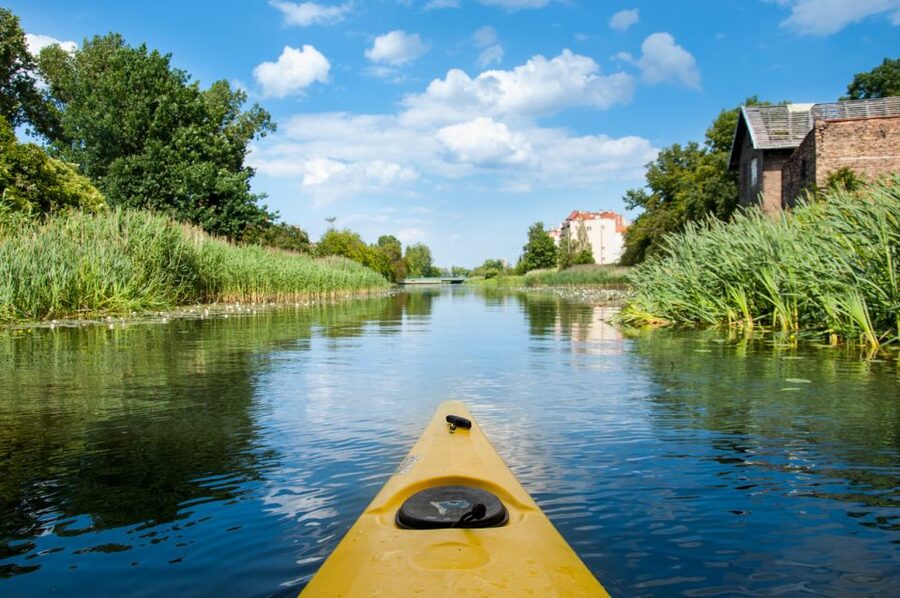
Gdansk looks grand from its quays, but from a kayak you get a quieter, lower view of the city. You paddle beside the Motlawa River Embankment, pass under or near historic waterfront structures, and see Granary Island and Olowianka Island without joining a crowded boat ride. Guides such as Mike, Nick, and Simon have brought plenty of local stories to the trip.
I like the easy beginner setup and the way the route mixes sightseeing with real exercise. I also like the small-group feel reported on some departures, where the guide could chat, adjust the pace, and even help a tired paddler with a tow rope. The main drawback is simple: you paddle for about two hours, sometimes against the current, so this is not a passive sightseeing cruise.
Key points at a glance
- Water-level views of Gdansk: See the Crane, waterfront buildings, islands, canals, shipyard, and Polish Baltic Philharmonic from a fresh angle.
- A beginner-friendly tandem kayak: You share a kayak with another person, making it easier to alternate paddling and resting.
- A 20-minute safety briefing: The tour begins near Gdansk Shipyard, with instruction before you head into the city.
- A proper workout: Expect roughly two hours on the water, with upper-body effort and occasional current.
- Useful equipment included: Kayak, paddle, spray skirt, life jacket, guide, and waterproof bag are provided.
- Strict safety requirements: Everyone must be able to swim and communicate in English, and the tour runs in rain or shine.
Why Gdansk is better from a kayak
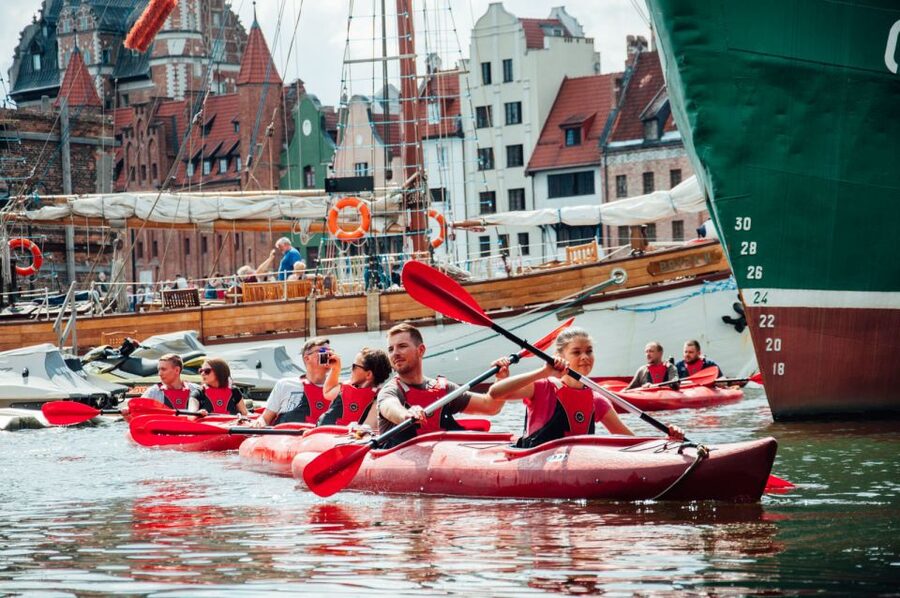
The usual first look at Gdansk comes from the Main City streets, where the colorful facades and Gothic brick buildings compete for your attention. That view is impressive, but the Motlawa is where the city’s trade, industry, islands, and modern waterfront meet.
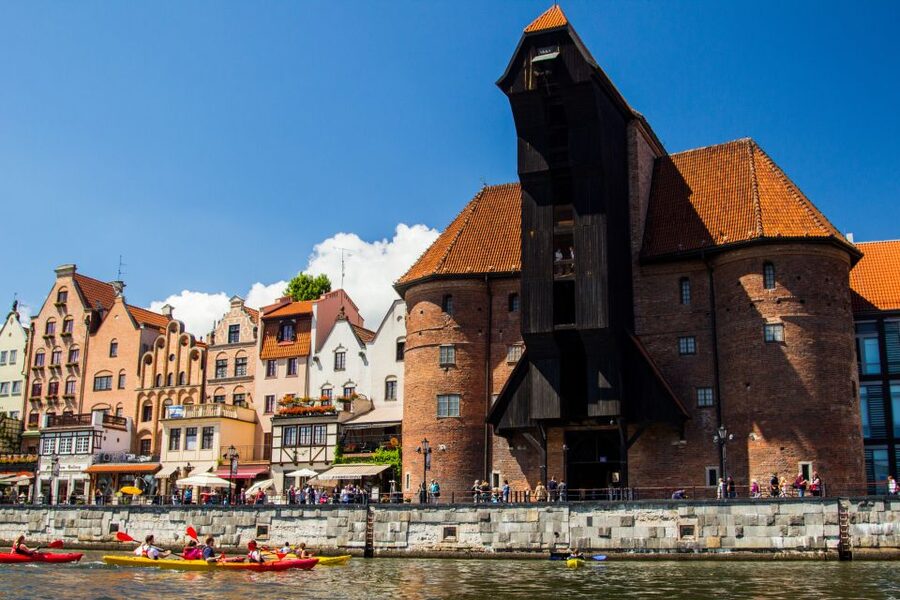
From a kayak, you are close to the water and free from the fixed route of a ferry. You can look up at the embankment, turn toward a canal, and see how the city is arranged around its waterways. The perspective changes the scale of familiar sights. The Crane, for example, is not just a landmark at the end of a street. From the river, it becomes part of the old working waterfront.
You also get a clearer sense of Gdansk as a port. The route combines the historic Main City with the Gdansk Shipyard, the Polish Baltic Philharmonic, canals, bridges, and islands. This is not simply a paddle through a pretty center. It shows how the city’s commercial and industrial sides sit beside its cultural heart.
A few more paddling days around the world worth a look
- Nerja: Guided Kayak Tour Nerja Cliffs and Maro Waterfall
★ 4.7 · 2,916 reviews - Dubrovnik: Sea Kayaking&Snorkelling Guided Day/Sunset Tours
★ 4.9 · 2,869 reviews - Benagil: Caves, Beaches, and Secret Spots Guided Kayak Tour
★ 4.8 · 2,675 reviews
Starting at the red shipping containers
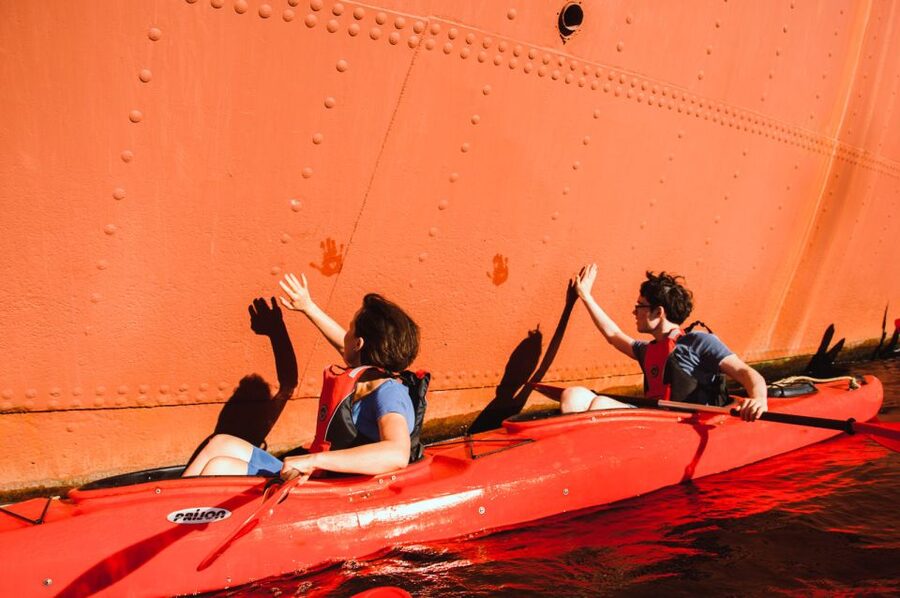
The meeting point is at Around Gdansk Kayak Tours & Adventures, near a yacht club. Look for the red shipping containers and walk toward the white dome tent. This detail matters because a waterside meeting area can be less obvious than a shop on a main street.
The tour begins close to Gdansk Shipyard. That gives the outing a working-port setting rather than a polished tourist starting point. You will meet the guide, get set up, and receive the safety briefing before paddling away.
Plan on about 20 minutes for this introduction. You will be shown the basic kayak techniques and safety procedures. The activity is designed for beginners, so you do not need advanced paddling skills, but you do need to listen closely and be comfortable on the water.
The included equipment keeps packing simple. You receive a tandem kayak, paddle, spray skirt, life jacket, and waterproof bag. Wear comfortable shoes and clothing suited to the weather. The waterproof bag is useful for small essentials, but you should still bring only what you need.
The first two hours on the Motlawa
Once underway, the guide leads the group through the river and canals toward the main sights. The pace is intended to suit the group rather than force everyone into a race. That is especially useful if one person in a tandem kayak is stronger or more experienced than the other.
A tandem kayak also gives you a natural way to manage the effort. One person can paddle while the other rests for a moment, then you can switch. Still, do not mistake beginner-friendly for effortless. One detailed account describes paddling for the full two and a half hours, sometimes against the current, and recommends bringing a water bottle. The total activity lasts 150 minutes, including the safety briefing, so expect substantial time on the water.
The guide provides commentary as you paddle. The strongest part of the tour is the combination of movement and explanation. You are not standing in front of a building waiting for a short speech. You are seeing the waterfront as it connects from one sight to the next.
Small groups can make this especially pleasant. On a quiet departure, the guide may have more time for questions and conversation. Past guides have included Mike, Nick, and Simon, also referred to as Szymon, and the feedback points to friendly, relaxed guiding with plenty of background about the city.
Granary Island and Olowianka Island
The route passes two of Gdansk’s main islands: Granary Island and Olowianka Island. These are not just names to tick off. They help you understand the shape of central Gdansk.
Granary Island sits beside the historic riverfront and recalls the city’s role in storing and moving grain. From the water, you see the island as part of the river system rather than as another neighborhood to cross on foot. The view helps explain why the waterfront became such an important part of Gdansk’s identity.
Olowianka Island gives you another change of angle. The island sits between parts of the central waterfront, creating open views toward the embankment and nearby buildings. Paddling past it is one of the tour’s best chances to see how bridges, quays, and waterways fit together.
The route also passes the Olowianka Footbridge. A footbridge is easy to treat as background when you are walking along the river, but from a kayak you see it from below and beside the water. That makes the crossing part of the experience rather than something you simply use to get from one side to another.
Same water, a different day out on it:
- Hanoi: Ha Long Bay Day Cruise – Swimming, Meal, Kayaking
★ 4.7 · 7,415 reviews - Tenerife: Kayak and Snorkel with Turtles, Wetsuits Included
★ 4.6 · 7,215 reviews - Clear Kayak Tour of Shell Key Preserve and Tampa Bay Area
★ 5.0 · 5,800 reviews - Half-Day Emerald Cave Kayak Tour with Optional Hotel Pickup
★ 5.0 · 4,978 reviews
The Crane, Radunia Canal, and Philharmonic
The Crane is one of the essential sights along the Motlawa. Its large timber structure and waterfront position make it instantly recognizable from the river. A kayak gives you a lower, more open view than the pedestrian promenade, with the building rising above the embankment.
The route also includes the beautiful Radunia Canal. Canals create a different mood from the wider river. The water feels more enclosed, the banks appear closer, and the city’s layout becomes easier to read. This section is a good reminder that Gdansk is not only a riverfront city. Its waterways reach into the urban fabric.
The Polish Baltic Philharmonic adds a cultural note to the route. Its presence beside the water shows the mix of old port structures and modern city life that makes this part of Gdansk interesting. You will not be seeing only preserved landmarks. You are moving through a living waterfront with several layers of use.
The guide’s historical explanations matter here. The route covers enough ground that you can connect the buildings and channels instead of viewing each sight as an isolated photo stop. Several guides have been praised for making the history clear and enjoyable, which is particularly helpful when you are looking at large waterfront structures from a moving kayak.
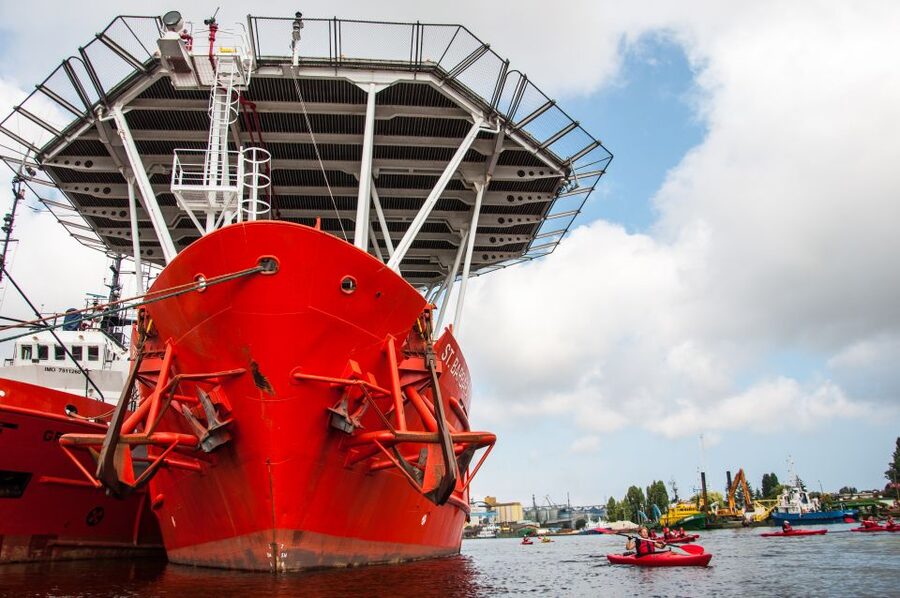
Gdansk Shipyard and the city’s working side
The Gdansk Shipyard gives the tour a different tone from the elegant Main City embankment. It is a reminder that Gdansk has long been a place of ships, labor, trade, and political change.
The tour does not present the city as one uniform historic center. It takes you from the old waterfront toward an industrial setting, then back through the central waterways. That contrast adds value. If you have already walked the Main City, the shipyard helps you see a broader version of Gdansk.
Because the safety briefing takes place near the shipyard, the industrial setting is part of the outing from the start. You do not have to arrange a separate visit to see this side of the city from the water. The kayak route makes it part of a single, active tour.
What the exercise is really like
You should expect a workout, even if you are new to kayaking. The motion is straightforward, but repeated paddling uses your shoulders, arms, and upper body. The current can add effort, and one person noted that paddling became tiring after about an hour and a half.
The tandem format helps. You can trade roles and let one paddler rest while the other keeps the kayak moving. On at least one past trip, the guide attached a tow rope to help a tired participant. That is reassuring, but you should not plan to rely on it. Bring enough water and be honest about your fitness before booking.
The route is not a race. One account describes the guide moving at a pace suited to the group, and that is important for a sightseeing tour. You need time to look around, listen, and steer. Still, the schedule has to keep moving, so do not expect long stops at each landmark.
One practical limitation is photography. You may have chances to take pictures, but a kayak is not as convenient as a quay. You are balancing, paddling, and keeping your phone dry. If photographs are important to you, use the waterproof bag and take pictures only when the guide indicates it is safe to pause.
Rain or shine on the Motlawa
The tour runs in rain or shine. That makes clothing a serious part of the decision, not an afterthought. Wear comfortable shoes and weather-appropriate layers, and prepare for conditions to feel different on open water than they do on a city street.
Spray skirts and life jackets are included, but they do not replace sensible clothing. The equipment helps protect you from splashes, while warm or waterproof clothing helps you stay comfortable if the weather turns damp.
The experience has taken place in a range of seasons, including colder autumn dates. A cool day can mean fewer boats and a calmer feel, but only book outside summer if you are happy to paddle in changing weather. The tour does not switch to a sightseeing walk when conditions are unpleasant.
Who should book this kayak tour
I would choose this for an active visitor who has already seen some of central Gdansk on foot and wants a different view. It works well for couples, friends, and families with children aged 12 or older, provided everyone under 18 is with an adult.
It is also a good fit if you enjoy learning while doing. The guide combines city history with practical paddling instruction, so you get both an outing and a useful orientation to the waterfront.
You should skip it if you cannot swim, have serious medical concerns such as heart or back problems, use a wheelchair, or weigh more than 243 pounds, or 110 kilograms. Everyone must be able to communicate in English, since the live guiding and safety instructions are in English.
Children under 12 cannot join. This is not an easy substitute for a ferry if your group includes very young children or anyone who needs a fully seated, low-effort activity.
Price, timing, and what you get for $47
At $47 per person, the tour costs more than a simple walk along the river but gives you 150 minutes of guided activity, equipment, instruction, and sightseeing. You do not need to rent a kayak separately or pay for safety gear.
The value is strongest if you would otherwise book both a city orientation and a recreational activity. You get views of the main waterfront sights, access to canals and island edges, and historical commentary in one outing.
The price does not include hotel pickup or snacks. You need to reach the meeting point yourself and bring water. A waterproof bag is supplied, but do not treat that as a place to carry a full picnic.
Free cancellation is available up to 24 hours before the start for a full refund, and you can reserve now and pay later. Those terms help if your Gdansk schedule depends on weather or changing plans, but remember that the activity itself still runs in rain or shine.
Should you book it?
Book this tour if you want to work for your views and see Gdansk as a port city, not only as a collection of handsome streets. The route covers the Motlawa, Granary Island, Olowianka Island, the Crane, Radunia Canal, the Philharmonic, and the shipyard, while the guide adds the local context that makes those sights connect.
Skip it if you want a calm cruise, dislike getting wet, or are not comfortable swimming and paddling for a sustained period. For fit beginners, couples, and older children, this is a memorable way to see the city from water level. Bring water, dress for the forecast, and expect an outing that is as much exercise as sightseeing.
FAQ
How long does the Gdansk kayak tour last?
The activity lasts 150 minutes, or two and a half hours. The schedule includes about 20 minutes for the safety briefing and roughly two hours of guided kayaking and sightseeing.
Where does the tour meet?
Meet at Around Gdansk Kayak Tours & Adventures near the yacht club. Look for the red shipping containers and walk toward the white dome tent.
What sights will I see from the kayak?
The route includes the Motlawa River Embankment, the Crane, Granary Island, Olowianka Island, the Olowianka Footbridge, Radunia Canal, Gdansk Shipyard, and the Polish Baltic Philharmonic.
Is the tour suitable for beginners?
Yes. The tour includes basic instruction and uses tandem kayaks, making it suitable for most beginners. You should still expect sustained paddling and some upper-body effort.
What equipment is included?
The tour provides a guide, tandem kayak, paddle, spray skirt, life jacket, and waterproof bag.
Do I need to know how to swim?
Yes. Every participant must be able to swim.
Can children join the tour?
Children aged 12 and older can join. Anyone under 18 must be accompanied by an adult, and children under 12 are not permitted.
What should I bring?
Bring comfortable shoes, weather-appropriate clothing, and water. Snacks are not included, and the tour can involve paddling against the current.
Does the tour run in bad weather?
The tour takes place in rain or shine. Dress for the forecast and be prepared to paddle outdoors in changing conditions.
Just added around the world
- Fiesta De Kayak Twilight Kayak★ 5.0 · 13 reviews
- Brisbane Kayak, Bike★ 4.5 · 23 reviews
- Brisbane City Twilight Kayak★ 4.5 · 26 reviews
- Supetar-Postira kayaking★ 5.0 · 26 reviews
- Stand Up Paddle Tour★ 5.0 · 6 reviews
- Inflatable Kayak Half-Day Excursion from Kremmling★ 5.0 · 27 reviews
- Private Stand Up Paddle Experience in Vila do Conde★ 5.0 · 11 reviews
- Sunset Kayaking★ 5.0 · 50 reviews
Guided, compared.
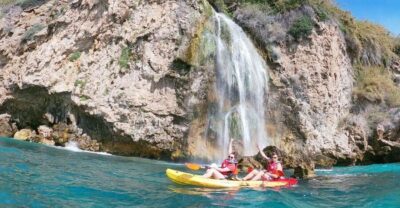
Nerja: Guided Kayak Tour Nerja Cliffs and Maro Waterfall
Read our review →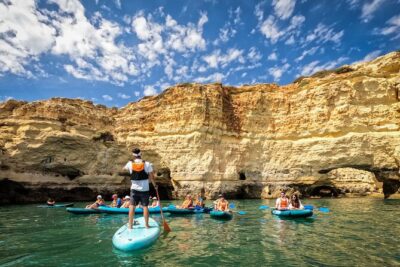
Caves, Beaches, and Secret Spots Guided Kayak Tour
Read our review →
Rock Springs 2-Hour Glass Bottom Guided Kayak Eco Tour
Read our review →
Benagil Cave: Guided Kayak Tour with Caves and Cliffs
Read our review →
Benagil Caves and Secret Spots Guided Kayaking Tour
Read our review →
Zrmanja River: Half-Day Guided Kayaking Tour Near Zadar
Read our review →