
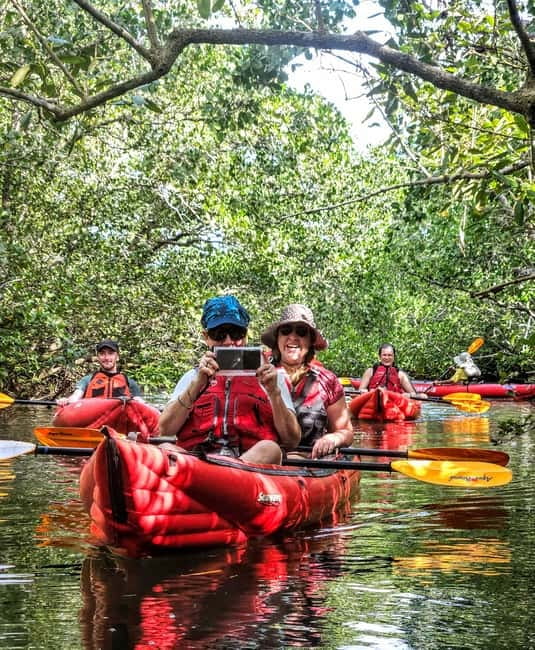
Review · MANGROVE KAYAKING
Bohol: SUSTAINABLE Mangrove Tunnels & Firefly Kayaking trail
The best part of this Bohol outing comes after sunset, when your kayak slips along a quiet river and synchronous fireflies blink together in the trees. Before that light show, you paddle through mangrove tunnels and forest channels with guides who know the Abatan River from childhood.
I like two things especially: the motor-free route, which keeps the river quiet, and the strong conservation focus. You also get snacks and a generous home-cooked Filipino dinner, not just a quick drink at the end. The main consideration is physical: five hours around the water, with plenty of paddling, can feel like a workout, and firefly numbers depend on weather and natural conditions.
Key points to know before booking
- Synchronous fireflies after dark: Watch the trees flicker in unison from a kayak on the calm Abatan River.
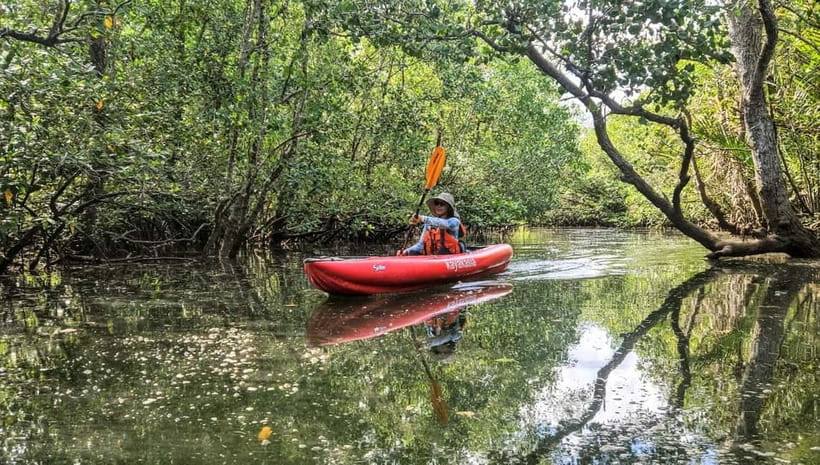
- Mangrove tunnels and nipa palms: Paddle narrow waterways that motorboats cannot enter.
- Guides with a real local connection: Guides including Vince, Jeremy, MacMac, and Raymark explain wildlife, conservation, and village life.
- Dinner is part of the value: Finish with a fresh, home-cooked Filipino meal made from local ingredients.
- Quiet, low-impact travel: Kayaking avoids motor noise and supports a community conservation project.
- Easy for beginners: You receive a safety briefing, basic instruction, a life jacket, and guide support.
Why the Abatan River makes a fine evening outing
Bohol is often sold through its beaches and famous inland sights, but the Abatan River offers a slower kind of nature experience. You are not racing from one photo stop to another. You are listening to a paddle, watching birds move through the mangroves, and learning why these plants matter to people living beside the river.
The river’s mangroves and nipa palms help shelter wildlife and serve as nurseries for marine life. They also help protect communities from natural hazards. That gives the afternoon more weight than a simple scenic paddle. You begin to see the tangled roots and narrow channels as working parts of a living system, not just pretty scenery.
The experience is promoted as a National Geographic top 100 nights in the world feature, mainly because of its nighttime firefly setting. The claim should not make you expect a polished theatrical show. The appeal is the opposite: the spectacle is natural, quiet, and dependent on the river’s conditions.
More Mangrove Kayak Tours in the world:
- Sarasota Guided Mangrove Tunnel Kayak Tour
★ 5.0 · 2,440 reviews - Key West Mangrove Kayak Eco Tour
★ 5.0 · 2,205 reviews - Krabi: Kayak Adventure through Ao Thalane Mangrove Forest
★ 4.6 · 2,024 reviews
From your hotel to the river station
Pickup is available from accommodations in Panglao, Tagbilaran City, and Loboc. The transfer is about 15 minutes from Tagbilaran and roughly an hour from Panglao or Loboc, though the supplied timing also describes a 30-minute van segment. Either way, check your pickup time carefully because the five-hour activity does not mean five hours of door-to-door sightseeing.
The drive matters when you are choosing a base. From Tagbilaran, this is an easy half-day and evening plan. From Panglao or Loboc, the outing takes more of your day once transport is added. That is not necessarily a problem, but I would avoid pairing it with another major evening booking.
At the river station, you receive a safety briefing and a short kayaking lesson. No previous experience is required. Life jackets and kayaking equipment are supplied, and the guides stay with you throughout the route.
The first paddle through mangroves and nipa palms
The afternoon session lasts about two hours. You paddle along the Abatan River and into narrower waterways bordered by mangroves, nipa palms, and forest channels. The route is gentle enough for beginners, but it is still active. You will be using your arms for much of the outing, so comfortable outdoor clothing is more useful than anything stylish.
The narrow channels are the heart of the route. A motorboat would bring noise and limit access, while a kayak lets you move quietly into smaller passages. That silence improves your chances of noticing birds and small signs of river life. One participant with an interest in birding found more birdlife than expected, so bring binoculars only if you can keep them dry and secure.
Your guide gives the paddle its meaning. Vince is noted for explaining mangrove life, birds, fireflies, and conservation with real feeling. Jeremy has also guided the mangrove section and helps beginners feel safe while explaining what you are seeing. MacMac has a strong grasp of the mangrove species, their role in the ecosystem, and the threats facing the river.
Do not expect a long lecture. The best parts of this kind of guiding happen between strokes, when a guide points out a plant or explains why the river matters to nearby families. You get a clearer sense of how conservation connects with daily life.
A snack break at the river station
After the first paddle, you return to the station for about 45 minutes of local snacks and refreshments. This is a useful pause rather than filler. You have time to dry off, rest your arms, and prepare for the darker, cooler section of the outing.
The food is a real strength. The snacks are homemade, and the portions have been described as generous. If you encounter rain during the afternoon, this stop also gives you a chance to change clothes or at least reorganize your things before heading out again.
Bring a change of clothes, even if the forecast looks kind. The river can bring sun, damp air, or a sudden downpour. One outing included several kinds of Philippine weather, and the wet conditions became part of the nature experience rather than a reason to turn back.
A few more paddling days around the world worth a look
- Hanoi: Ha Long Bay Day Cruise – Swimming, Meal, Kayaking
★ 4.7 · 7,415 reviews - Tenerife: Kayak and Snorkel with Turtles, Wetsuits Included
★ 4.6 · 7,215 reviews - Clear Kayak Tour of Shell Key Preserve and Tampa Bay Area
★ 5.0 · 5,800 reviews - Half-Day Emerald Cave Kayak Tour with Optional Hotel Pickup
★ 5.0 · 4,978 reviews
Night kayaking and the firefly trees
The second paddling session lasts about two hours and begins as twilight fades. This is when the tour changes character. The mangrove channels become darker, the sounds of the river become easier to notice, and the guides begin looking for the trees where fireflies gather.
The fireflies here are described as synchronous, meaning many insects blink in a coordinated rhythm. Their lights can reflect on the still water, creating a remarkable sight from a low kayak. These fireflies occur in only a few places, and the Philippines is known for this kind of abundance.
Keep your expectations sensible. Nature does not operate on a schedule, and the number of visible fireflies will depend on conditions. Clear skies can make the setting feel especially powerful, but the experience is still worthwhile because the river itself is quiet and atmospheric after dark.
The kayak is an important part of the conservation approach. You are not adding engine noise to the river or approaching the trees in a large craft. The guides also stress respect for the insects and their habitat. Do not touch plants, and avoid treating the fireflies as a prop for a loud photo session.
Photography will be difficult. A phone may capture a dark frame with a few lights, but you should plan to watch with your eyes rather than spend the whole time chasing a perfect image. Bring a camera if you like, but keep it protected from water and accept that the best memory may not fit on a screen.
Dinner with the people behind the project
After the night paddle, you return to the base for a home-cooked Filipino dinner. The meal uses fresh, locally sourced ingredients and is described as a three-course spread on some outings. Food is not an afterthought here. It gives you time to sit down, talk with the guides, and finish the evening in a more personal way.
This is also where the community side becomes clear. The project works with local residents and environmental stewards who care for the Abatan’s mangroves and firefly habitat. Your booking helps support the families and local partners connected with the river.
There is a small creative detail worth knowing. The conservation team reuses old kayak material and refuse collected during river cleanups to make practical goods such as wallets, card holders, slippers, tires, and keychains. You may find these items available at the base. They are a useful reminder that conservation is not limited to protecting a tree or cleaning a river once a year.
How sustainable is the kayaking approach?
The word sustainable can be used loosely in tourism, so it is worth looking at what this activity actually does. The route uses kayaks rather than motorboats, guides explain the value of mangroves and fireflies, and local families take part in the operation. The rules are simple but important: no smoking, no littering, and no touching plants.
The low-noise format is a clear advantage. It lets you move through the river without filling the channels with engine sound. It also makes the firefly viewing less invasive than a motorboat approach.
That does not mean your visit has no effect. Any nature outing brings people into a sensitive area. The project’s value depends on careful guiding, visitor behavior, and continued protection of the river. You can help by following instructions, keeping food and plastic secure, using insect repellent away from the water, and leaving plants and wildlife alone.
What the $85 price includes
At $85 per person, this is not the cheapest activity in Bohol. The value depends on what you compare it with. You are paying for round-trip transfers, equipment, instruction, two guided paddling sessions, snacks, firefly viewing, conservation interpretation, and a full Filipino dinner.
That makes the cost more reasonable than a basic kayak rental or a short firefly boat ride. Transport can also be expensive and awkward to arrange independently, especially if you are staying outside Tagbilaran.
The guides are another part of the price. You receive support from people who understand the river, not just someone handing you a paddle and pointing downstream. The activity also supports a local conservation operation, which gives the spending a broader purpose.
Still, you should not book it expecting nonstop action. The appeal is quiet water, natural observation, and conversation. If you want speed, dramatic thrills, or a tightly packed sightseeing schedule, another Bohol activity may suit you better.
Who will enjoy this most?
This outing works well for couples and solo visitors who want a calm evening in nature. It also suits families. Children aged 7 and 10 have enjoyed paddling the route, although parents should decide if their children can follow safety instructions and manage several hours around water.
It is a good choice for birdwatchers, plant lovers, and anyone curious about mangroves. The guides spend time on the ecology of the river, so you get more than a pretty paddle.
Beginners are welcome, but you should be comfortable with basic physical activity. The route includes two kayaking periods, and one person described it as a good workout. Wear outdoor clothing, a sun hat, sunscreen, and insect repellent. Bring water, a change of clothes, and something to protect valuables from splashes.
Rain is possible. The supplied guidance does not promise weather cancellation details, so it is wise to ask at booking how poor weather is handled. Either way, do not wear anything you cannot bear to get wet.
Practical timing and booking advice
The activity is offered in English and lasts five hours, with starting times subject to availability. Transfers are included from Panglao, Tagbilaran City, and Loboc accommodations.
Free cancellation is available up to 24 hours before the activity for a full refund. You can also reserve now and pay later, which helps if your Bohol schedule is still shifting.
I would book this on a day when you can keep the evening open. The tour begins in late afternoon, moves into darkness, and ends with dinner. A rushed departure for another attraction would undercut the calm mood that makes the river special.
Should you book the Abatan River firefly tour?
I would book it if you want a quiet, conservation-minded nature outing and are happy to paddle for several hours. The combination of mangrove tunnels, local guiding, synchronous fireflies, and a home-cooked dinner is unusually complete for one half-day activity.
I would skip it if you dislike insects, cannot manage sustained paddling, or want guaranteed wildlife sightings and perfect weather. Fireflies are wild animals, and the evening depends on natural conditions.
For most visitors based in Bohol, the strongest reason to choose this tour is its sense of place. You are not simply looking at the river. You are learning how mangroves support wildlife, how local communities depend on the water, and why quiet access matters. At $85, that makes it a worthwhile splurge for an evening that feels very different from the usual island excursion.
FAQ
Where does the kayaking take place?
The activity takes place on the Abatan River in Bohol, through mangrove tunnels, nipa palm areas, forest channels, and other quiet waterways.
How long does the experience last?
The activity duration is five hours. Pickup and drop-off transfers are included, with travel times varying by your accommodation location.
Is the tour suitable for beginners?
Yes. You receive a safety briefing, a basic kayaking lesson, a life jacket, and guide support. No previous kayaking experience is required.
What is included in the price?
The $85 price includes transfers from Panglao, Tagbilaran City, or Loboc accommodations, kayaking equipment, life jackets, guided paddling, firefly viewing, local snacks, refreshments, and a home-cooked Filipino dinner.
Can children join the activity?
The experience is described as family-friendly. Children aged 7 and 10 have taken part, but every child must be able to follow safety instructions and participate safely around water.
What should I bring?
Bring a sun hat, sunscreen, water, insect repellent, comfortable outdoor clothing, and a change of clothes. A camera is welcome, but protect it from splashes.
What happens if I need to cancel?
You can cancel up to 24 hours in advance for a full refund. The activity also offers a reserve now and pay later option.
Just added around the world
- Paddle Boarding Lesson in Bonaire (SUP)★ 5.0 · 7 reviews
- Night Mangrove Kayak Tour★ 5.0 · 9 reviews
- Canoeing on the Elbe river from Děčín to Bad Schandau★ 3.5 · 5 reviews
- 1 Hour Mangrove Kayak Tour★ 5.0 · 7 reviews
- 2 Hour Mangrove Kayak and Snorkel Tour★ 5.0 · 42 reviews
- Canoeing on the Elbe river + Bike rental from Děčín to Bad Schandau★ 4.5 · 21 reviews
- Guided Clear Kayak Tour in Bled★ 5.0 · 53 reviews
- From Bled: Black Hole Kayaking★ 5.0 · 76 reviews
Mangrove Kayaking, compared.
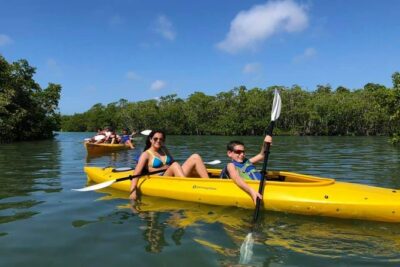
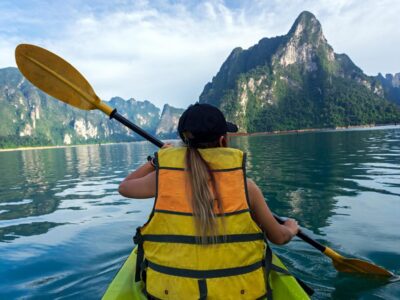
Kayak Adventure through Ao Thalane Mangrove Forest
Read our review →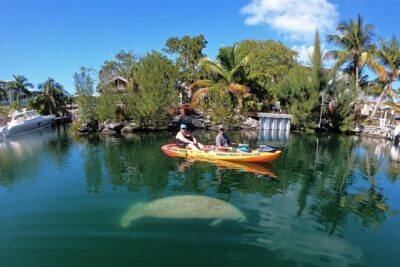
Mangroves and Manatees – Guided Kayak Eco Tour
Read our review →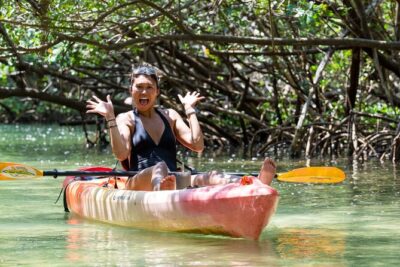
Sarasota Mangrove Tunnel Guided Kayak Adventure
Read our review →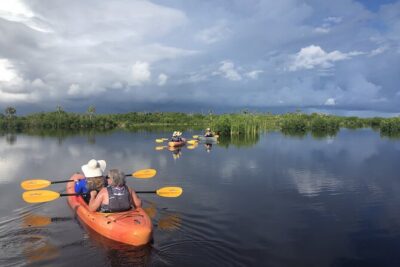
Manatees and Mangrove Tunnels Small Group Kayak Tour
Read our review →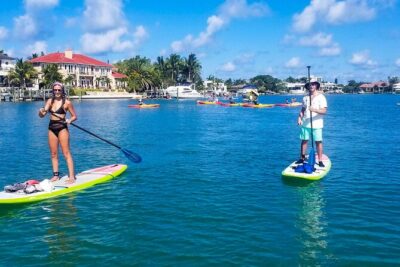
Mangroves, Manatees, and a Hidden Beach: Kayak Tour
Read our review →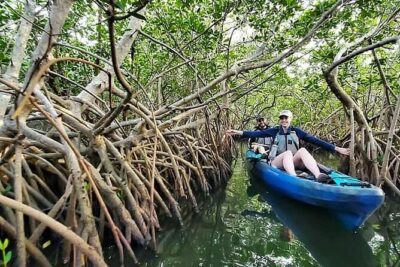
Thousand Island Mangrove Tunnel, Manatee & Dolphin Kayak Tour w/Cocoa Kayaking
Read our review →Browse the lists this tour appears in