
Review · MANGROVE KAYAKING
Cartagena: FISHERMEN’S ISLAND IN THE MANGROVES by canoe
Cartagena’s Fishermen’s Island canoe tour trades grand buildings for narrow mangrove passages, bird calls, and a small island community reached by water. You’ll paddle through three natural tunnels with a native guide, then hear music and learn local dances from the people who live there. I like the close look at mangrove life, and I like the chance to meet residents rather than only see Cartagena from a tour bus. The main consideration is the meeting point at La Boquilla, which can feel rough around the edges when you first arrive.
I especially value the guides’ local connection. Domingo has been praised for staying helpful from the beginning of the outing through the end, while Sandra is known for clear English and strong knowledge of the plants and animals. Hotel pickup is optional, but the return arrangements need care because the standard activity does not include a ride back to your hotel.
Key points to know before you book
- Three mangrove tunnels: Travel by traditional canoe through narrow natural passages formed by the mangrove trees.
- A native bilingual guide: Guides such as Domingo and Sandra explain the plants, animals, and local history in English or Spanish.
- Wildlife depends on timing: You might see flamingos, pelicans, colorful crabs, birds, amphibians, and reptiles.
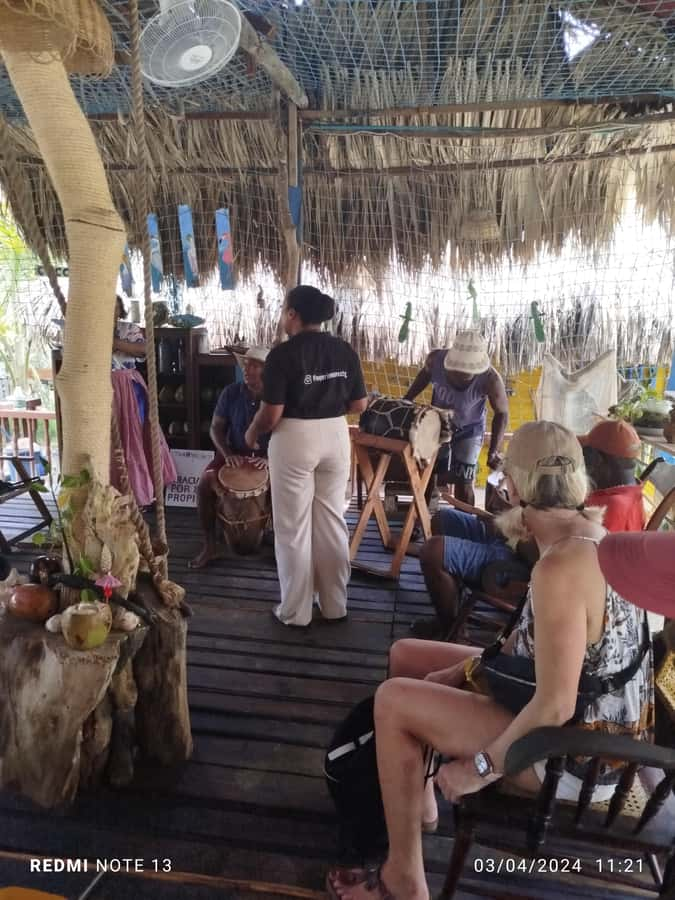
- Fishermen’s Island feels personal: The visit includes music, dancing, local stories, and a cold coconut.
- La Boquilla is part of the experience: The beach and mangrove meeting area is less polished than Cartagena’s central tourist districts.
- Pickup costs extra in some cases: Transport from the tourist districts can cost about $4 to $10, and return service is not automatically included.
Leaving Cartagena for La Boquilla
The trip begins at the beach and mangroves of La Boquilla, near Caribe Blue, Manglares Hostel, and the beach area. You can arrange a meeting there, or request pickup from much of Cartagena’s tourist zone, including Bocagrande, the walled city, Manga, Marbella, Crespo, Los Morros, and La Boquilla itself.
This setting matters. La Boquilla is not a polished marina with rows of excursion boats. It is a working coastal community, and reaching the launch point may give you a quick look at local life before the canoe even leaves shore. One outing included a taxi ride along the beach, with public buses using the same sandy route. That unusual arrival can be part of the appeal if you want a less packaged side of Cartagena.
You should confirm the exact pickup plan through WhatsApp before setting out. The advertised options vary, and the basic outing does not include a hotel return. Pickup from your hotel or another point in the tourist area may cost between $4 and $10, depending on location. Ask clearly if you want both pickup and drop-off, since the return is not automatic.
More Mangrove Kayak Tours in the world:
- Sarasota Guided Mangrove Tunnel Kayak Tour
★ 5.0 · 2,440 reviews - Key West Mangrove Kayak Eco Tour
★ 5.0 · 2,205 reviews - Krabi: Kayak Adventure through Ao Thalane Mangrove Forest
★ 4.6 · 2,024 reviews
The first 30 minutes on a traditional canoe
The water portion begins in a typical fishing canoe. The itinerary allows roughly 30 minutes for the initial raft, or canoe, section before the main guided exploration. In practice, the timing is described in several ways, with the overall activity listed as about two hours in one place and two and a half hours in another.
That difference is worth keeping in mind. This is a small local excursion, so the exact pace may depend on the water, the group, the meeting time, and the time spent at Fishermen’s Island. You should allow a relaxed two to two and a half hours rather than planning a tight connection afterward.
The canoe is the right way to see this area. A larger boat would miss the narrow passages and make the mangroves feel like scenery at a distance. Here, the trees form the walls and roof of the route, and your guide can point out details close to the waterline.
The ride is not built around speed. It is a quiet nature outing, with time to listen for birds and watch the banks. If you prefer engines, loud music, and a packed sightseeing schedule, this may feel slow. If you like a calm ride with room to notice small creatures, the pace works in your favor.
Three mangrove tunnels and the Virgin Reservoir
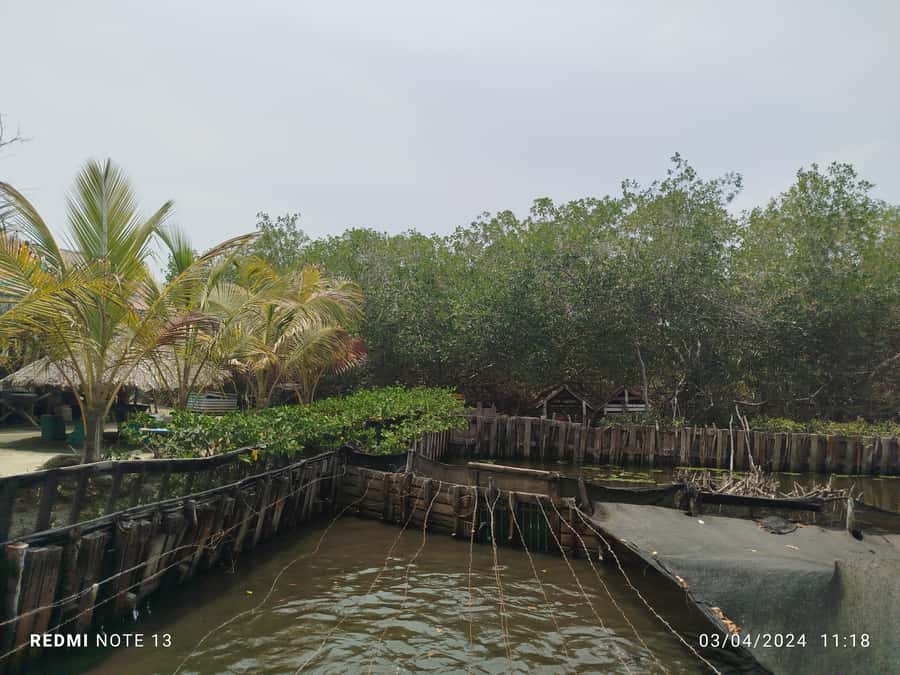
The central part of the experience is the guided canoe ride through three mangrove tunnels. These are natural corridors formed by the trees, with branches and roots shaping the route. Your guide explains the mangrove plants and the role they play in the surrounding water system.
The tour also passes through the area around the Virgin Reservoir. The water gives the trip a sense of distance from Cartagena’s streets, even though La Boquilla is still close to the city. One of the best features is this sudden change in mood. After the rougher arrival at the meeting point, the canoe ride becomes quiet, shaded, and removed from the noise of the coast.
I would pay close attention to the guide here. The wildlife is not presented as a guaranteed checklist, and sightings depend on the time of day and conditions. You may see colorful crabs along the mangrove edges, pelicans, flamingos, and several kinds of birds. Some outings may also reveal amphibians and reptiles.
The guide’s explanation gives these sightings more meaning. A crab is not just a photo opportunity when you understand that it belongs to a larger mangrove environment. Sandra has been praised for her English and her ability to explain the plants and animals, while Domingo is noted for his attentive and welcoming approach. The exact guide depends on the date and availability, but the native perspective is a key part of the outing.
Bring patience. Wildlife watching here is about noticing what appears, not demanding a show. You might hear birds before you see them, and you may spot a small crab more easily than a larger animal. The quiet is one of the reasons this activity suits people who enjoy nature.
Reaching Fishermen’s Island
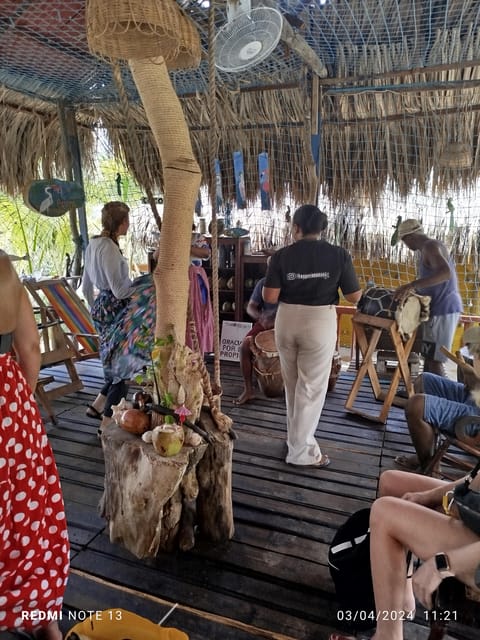
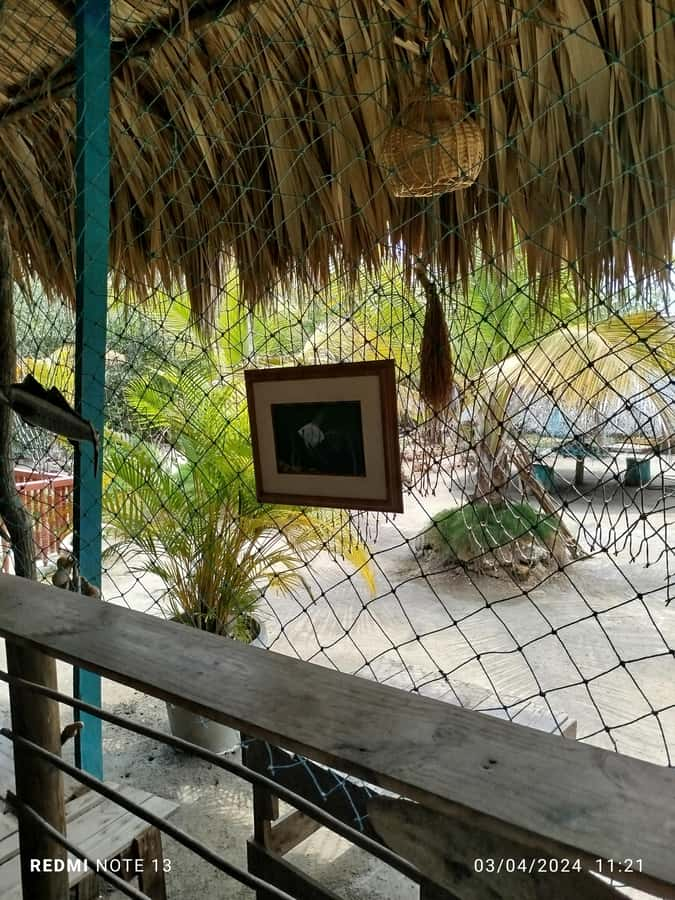
After the mangrove route, the canoe reaches Isla de los Pescadores, or Fishermen’s Island. The stop includes a guided visit, local history, scenic views, and time to meet people connected with the fishing community.
This is not simply a photo stop. The island adds a human side to the nature ride. You can interact with local residents and fishermen, hear about the area, and get a sense of Caribbean culture through music and movement. A cold coconut is also included, a small but welcome touch after time on the water.
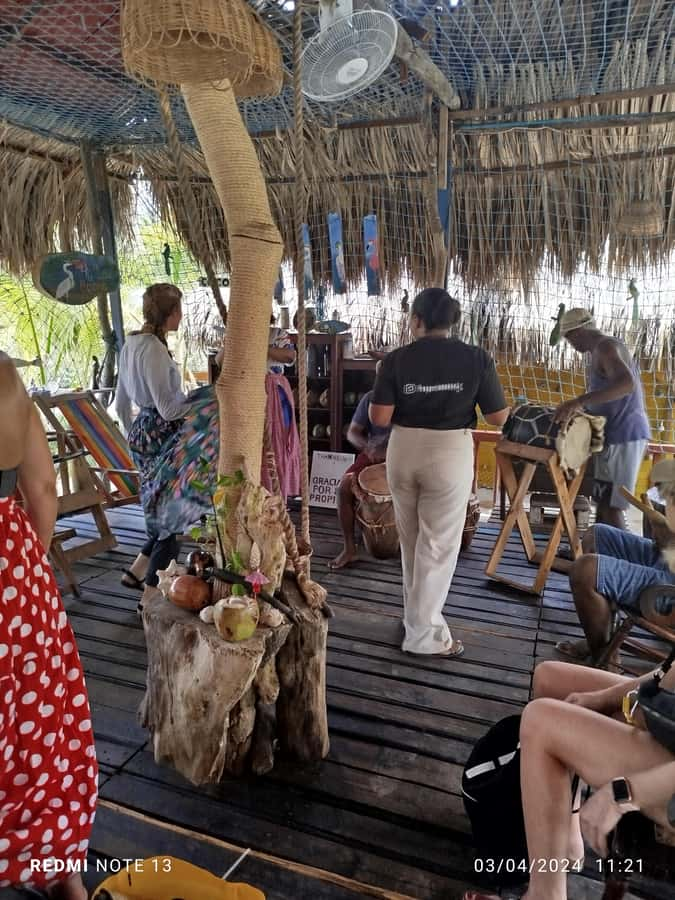
The music and dance presentation gives the stop its strongest character. You may hear local musical groups, watch typical dances, and join in if you feel comfortable. I like that the activity does not treat the community as a backdrop. The visit is built around conversation, performance, and a direct introduction to local traditions.
Still, you should set your expectations correctly. This is a small island community visit, not a formal theater production or a large cultural center. The setting and performance may vary. That informality is part of the charm, but it also means the experience may feel less polished than Cartagena’s major attractions.
The stop lasts roughly an hour and a half in the detailed schedule, though the overall timing is listed differently elsewhere. That suggests the timetable is flexible. You will have time for the island, but the exact balance between canoeing, wildlife watching, and cultural activities can change.
More Island Kayak Tours in the world:
- Phang Nga Bay Sea Cave Canoeing & James Bond Island by Big Boat
★ 5.0 · 4,666 reviews - Halong Bay Day Tour With Titop Island, Cave, Kayak & Lunch
★ 5.0 · 2,551 reviews - Phuket: James Bond Island Longtail Boat and Sea Canoe Tour
★ 4.8 · 2,364 reviews - Magnetic Island Discovery Tour with Snorkeling & Paddle Boarding
★ 5.0 · 1,372 reviews
Why the local guide matters
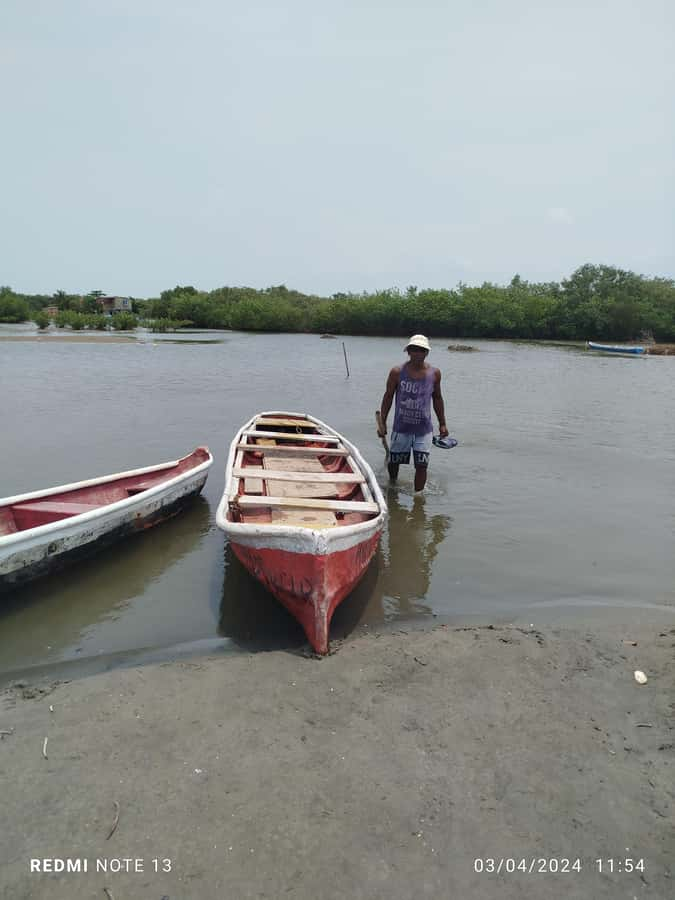
A native guide changes the tone of the outing. The guide is not only steering the canoe or translating a few facts. You are shown the plants, animals, and history of a place where the guide has a direct connection.
The guide service is offered in English and Spanish. This makes the activity easier to recommend to international visitors, especially those who want more explanation than a short ride and a photo stop. Sandra’s English has been singled out as especially clear, and her enthusiasm for the local plants and animals adds depth to the wildlife portion.
Domingo has also been praised for staying attentive throughout the experience, including help after the main activity. That kind of personal attention is useful in a small community setting, where meeting points and transport can require more coordination than at a major attraction.
The group is private, which can make a real difference. You are not competing with a large crowd to hear the guide or see a crab on the bank. A small party also makes it easier to ask questions and adjust the pace. On the other hand, private outings can depend more on direct communication, so keep WhatsApp available and confirm the meeting details.
Value at $28 per person
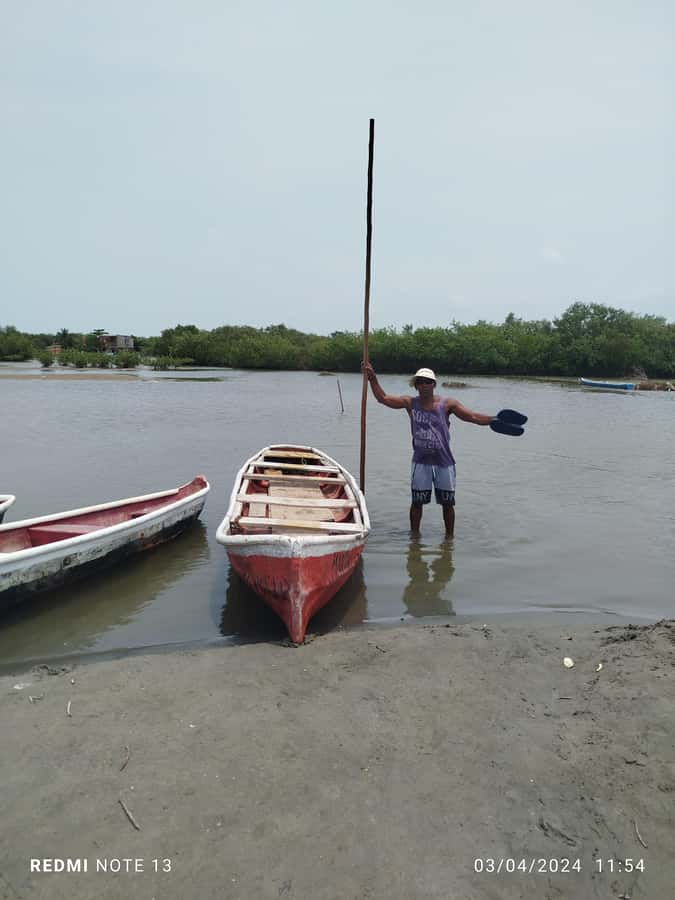
At $28 per person, the activity offers more than a short canoe ride. The price covers the Fishermen’s Island visit, the three mangrove tunnels, a native English or Spanish-speaking guide, a water bottle, wildlife interpretation, and the music and dance portion.
I see the strongest value in the combination. A standard mangrove ride might give you scenery, while a cultural visit might keep you on land. This outing links the two, taking you from a natural area to a fishing community in one compact experience.
The price becomes less simple once you add transport. Pickup from your hotel or another point in Cartagena can cost about $4 to $10, depending on location. Since the basic activity does not include the ride back to your hotel, you need to budget for that separately or arrange your own return.
For a private group with a local guide, $28 is a reasonable price if you want a short excursion outside the city center. It is less attractive if you only have time for one major Cartagena sight and have not yet visited the walled city, Castillo San Felipe, or other central highlights. This is best viewed as a quieter add-on for a second day or for visitors who already know the main historic center.
Practical timing and what to bring
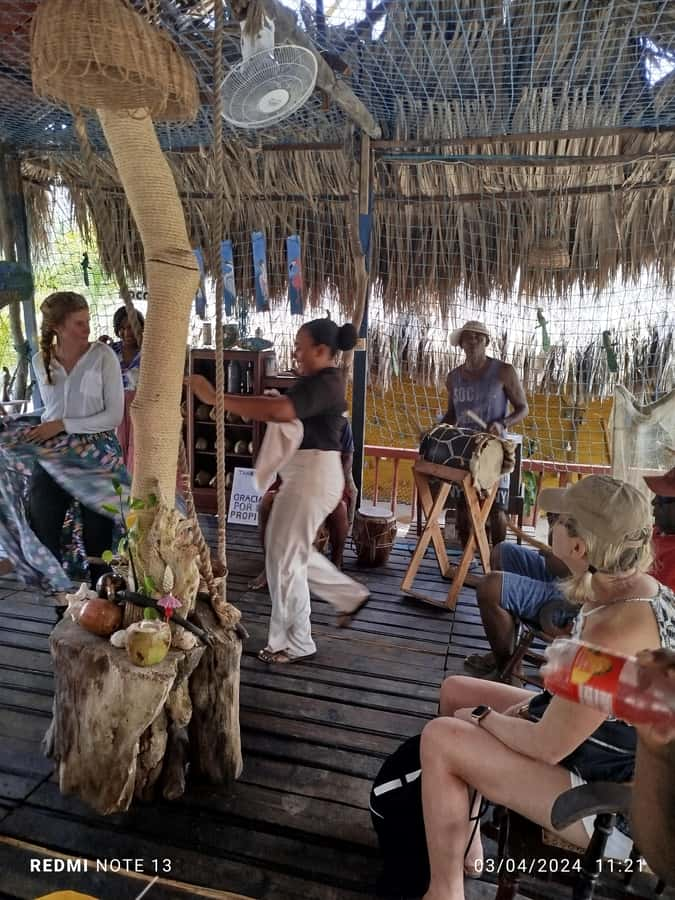
The activity is sold as lasting two hours, while the full description gives two and a half hours. Plan for the longer figure, especially if you need to arrange transport afterward. The detailed route includes the opening canoe ride, about an hour and a half of guided sailing, the island visit, and the return canoe section.
The exact schedule can shift. Wildlife takes time, and the cultural stop may run longer or shorter depending on the local program. I would not book a flight, airport transfer, or tightly timed reservation immediately afterward.
Wear clothing that can handle a warm, water-based outing. The supplied information does not specify equipment or dress requirements, so keep your preparation simple: bring sun protection and shoes suitable for a beach and canoe meeting point. A water bottle is included, but extra water may still be useful if you are sensitive to heat.
The La Boquilla meeting area may surprise you. It can look less comfortable on arrival than the main tourist districts, and one visitor felt uneasy at first. Once on the canoe, the mood became calm and removed from Cartagena. I would treat the initial setting as a practical warning, not a reason to cancel, while still arranging your transport carefully.
Who will enjoy this canoe trip most
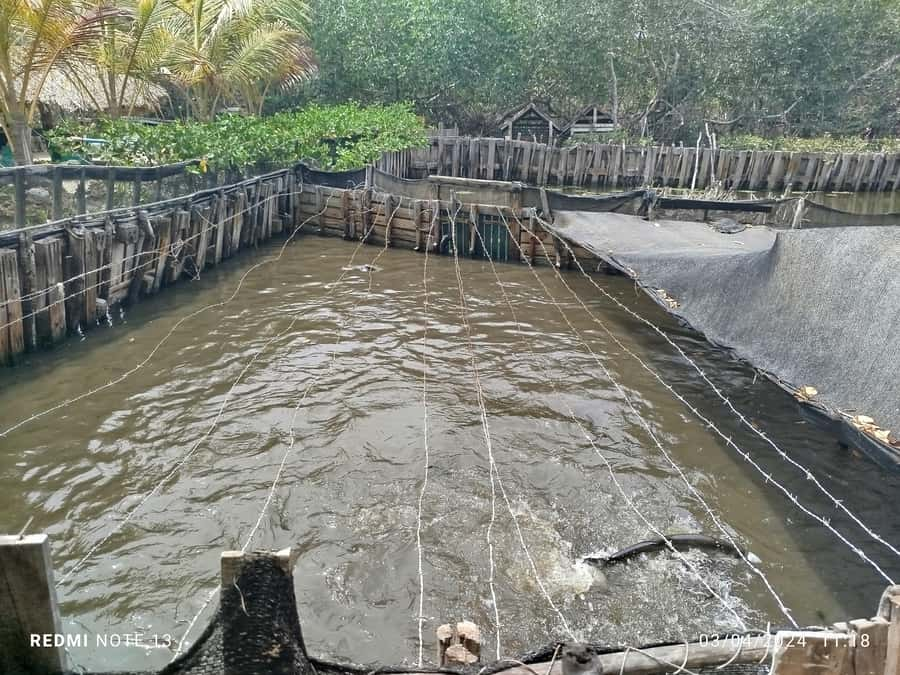
I would choose this outing if you want a nature break from Cartagena’s stone streets and a direct meeting with a local coastal community. It suits bird watchers, photographers, families who enjoy gentle outdoor activities, and anyone curious about mangrove ecosystems.
It is also a strong choice for people who prefer smaller, private experiences. You have a better chance of hearing the guide and asking questions than you would on a large group boat. The English and Spanish options make it accessible to a wide range of visitors.
You may want something else if your priority is luxury transport, a highly polished performance, or a guaranteed list of wildlife sightings. The route is shaped by nature and local conditions. The meeting point is also not as straightforward as a hotel lobby, and return transport requires planning.
The cultural portion may suit some people more than others. If you enjoy dancing and informal conversation, it adds warmth to the day. If you prefer a strictly nature-focused trip, the music and island visit may feel like a change of pace rather than a bonus.
Should you book Fishermen’s Island by canoe?
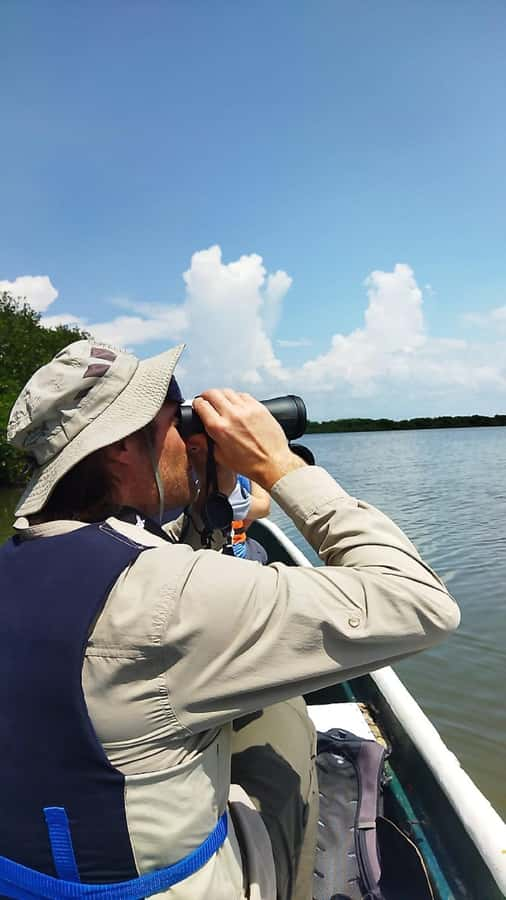
I would book it if you have already seen Cartagena’s central sights and want a quieter, more local half-day outing. The strongest reasons are the three mangrove tunnels, the chance to spot birds and crabs, and the personal contact with fishermen and residents on the island.
Book with two practical conditions in mind: confirm your pickup and return arrangements through WhatsApp, and allow up to two and a half hours rather than relying on the shorter duration. At $28 per person, it is good value for a private canoe and local guide, but transport costs can raise the final price.
This experience is not about comfort or polish. It is about moving slowly through mangroves, listening for birds, learning from a native guide, and meeting a community beyond Cartagena’s postcard center. If that sounds like your kind of afternoon, it is a worthwhile choice.
FAQ
Where does the tour meet?
The meeting point is at the beach and mangroves of La Boquilla, near Caribe Blue, Manglares Hostel, and the beach area.
Is hotel pickup available?
Yes. Pickup can be arranged from many parts of Cartagena’s tourist sector, including Bocagrande, the walled city, Manga, Marbella, Crespo, Los Morros, and La Boquilla. Pickup costs about $4 to $10 depending on the location.
Does the tour include a ride back to the hotel?
The standard activity does not include a return to your hotel after the tour. Confirm transport arrangements with the provider through WhatsApp before you go.
How long does the activity last?
The activity is listed as about two hours, while the detailed description says two and a half hours. Plan for up to two and a half hours because the pace can vary.
What languages does the guide speak?
Guides are available in English and Spanish. Native guides such as Domingo and Sandra have led the experience.
What wildlife might I see?
Depending on the time of your visit, you might see flamingos, pelicans, colorful crabs, birds, amphibians, reptiles, and typical mangrove plants. Wildlife sightings are not guaranteed.
More Canoe Trips in the world
- From Phuket: Phang Nga Bay and Canoeing Tour by Big Boat
★ 4.7 · 3,528 reviews - Pontcysyllte Aqueduct Canoe Tours in Llangollen
★ 5.0 · 2,229 reviews - Phuket: Twilight Sea Canoe & Highlight Glowing Plankton
★ 4.9 · 1,839 reviews - Mendenhall Glacier Lake Canoe Tour
★ 5.0 · 1,269 reviews
Just added around the world
- Fiesta De Kayak Twilight Kayak★ 5.0 · 13 reviews
- Brisbane Kayak, Bike★ 4.5 · 23 reviews
- Brisbane City Twilight Kayak★ 4.5 · 26 reviews
- Supetar-Postira kayaking★ 5.0 · 26 reviews
- Stand Up Paddle Tour★ 5.0 · 6 reviews
- Inflatable Kayak Half-Day Excursion from Kremmling★ 5.0 · 27 reviews
- Private Stand Up Paddle Experience in Vila do Conde★ 5.0 · 11 reviews
- Sunset Kayaking★ 5.0 · 50 reviews
Mangrove Kayaking, compared.
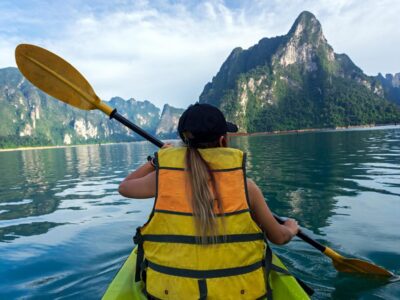
Kayak Adventure through Ao Thalane Mangrove Forest
Read our review →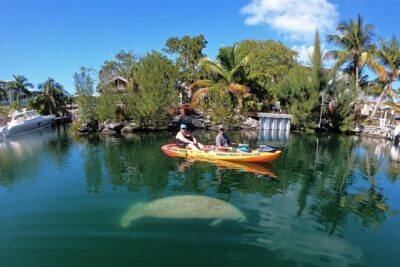
Mangroves and Manatees – Guided Kayak Eco Tour
Read our review →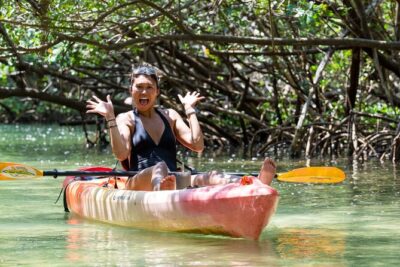
Sarasota Mangrove Tunnel Guided Kayak Adventure
Read our review →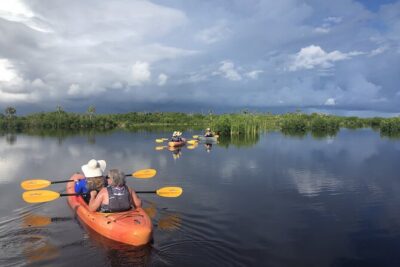
Manatees and Mangrove Tunnels Small Group Kayak Tour
Read our review →
Mangroves, Manatees, and a Hidden Beach: Kayak Tour
Read our review →
Thousand Island Mangrove Tunnel, Manatee & Dolphin Kayak Tour w/Cocoa Kayaking
Read our review →Browse the lists this tour appears in