
Review · ADELAIDE KAYAK TOURS
Adelaide: Dolphin Sanctuary Eco Kayaking Tour
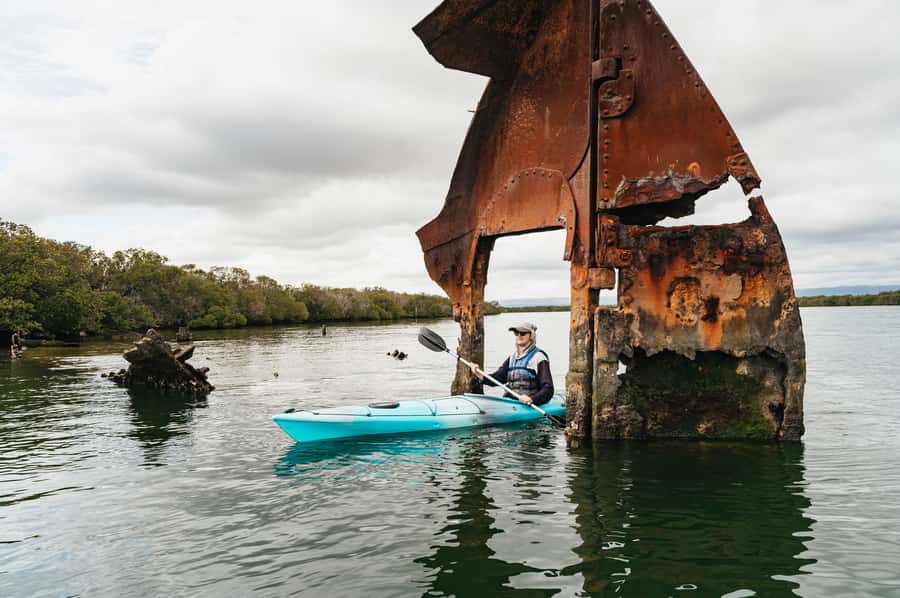
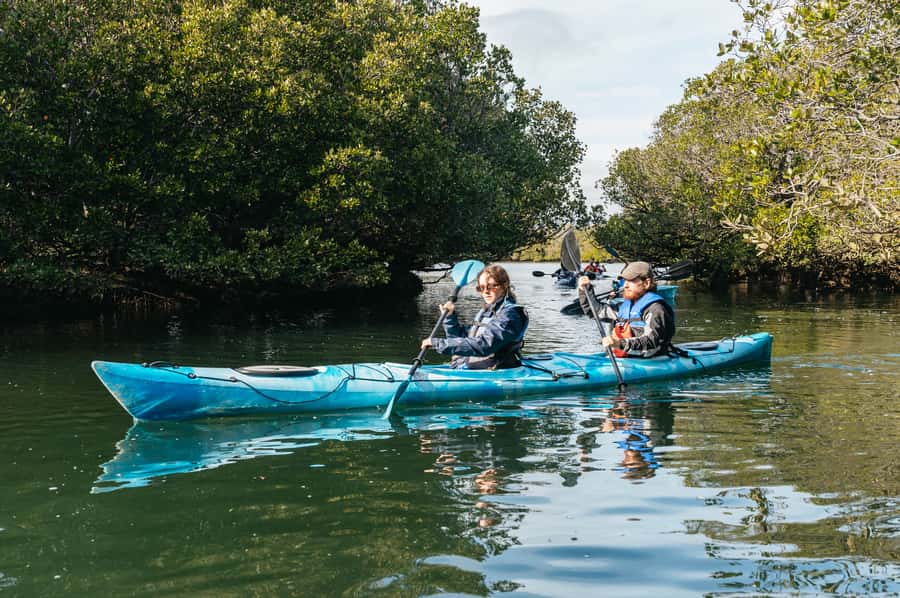
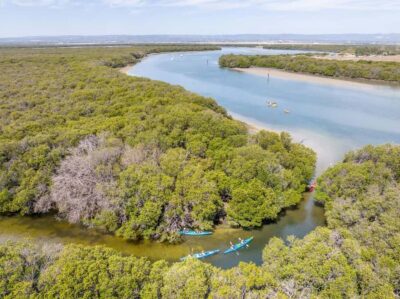
Adelaide’s Dolphin Sanctuary is at its best when the water is calm and a dolphin family appears beside your kayak. You paddle through 10,000-year-old mangrove creeks, past tidal flats, seagrass, saltmarsh, and old shipwrecks, with guides who explain how this quiet waterway supports fish, birds, and dolphins.
I like two things here: the gentle pace suits first-time kayakers, and the guides take real care not to chase or lure the dolphins. Alex, Paddy, Mark, Kendall, Liam, and others are praised for clear instruction and good local knowledge. The catch is simple: these are wild animals, and rough weather or tides can limit both dolphin sightings and access to the wrecks.
Key points to know before you book
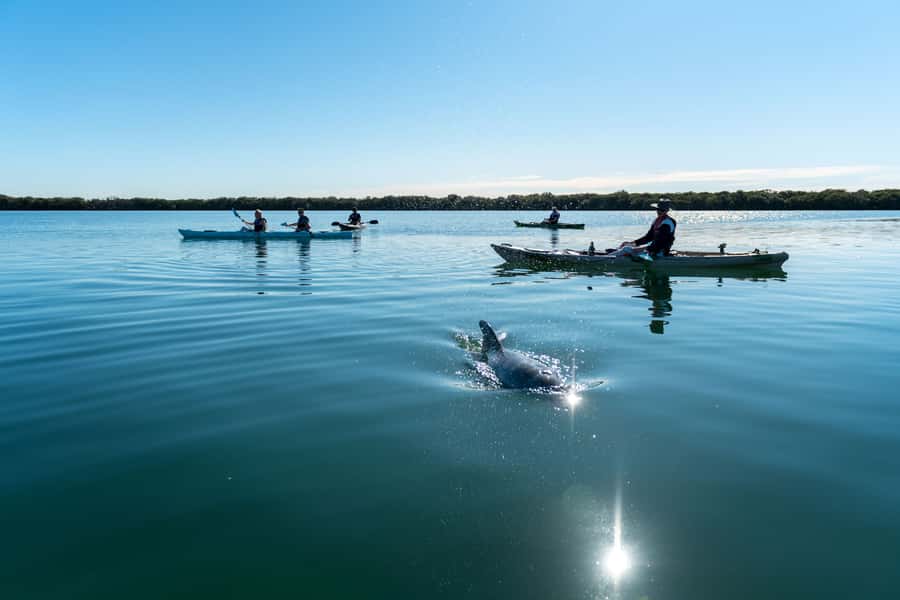
- Dolphins remain wild: You may see them close by, far off, or not at all, and the tour does not use bait or sounds to attract them.
- Mangroves are the main event: Low tree cover, tidal creeks, birds, and marine life give the paddle its quiet character.
- Beginners are welcome: You receive a safety briefing, paddling instruction, kayak, life jacket, and waterproof bag.
- Three hours is a relaxed but active outing: The pace is manageable, though paddling can feel like work in wind or against a tide.
- Shipwreck access depends on nature: Wind, water level, and route conditions may prevent the full wreck area from being reached.
- Plan your transport and comfort: You must reach Angas Inlet Boat Club yourself, and there is no scheduled toilet stop during the outing.
Starting at Angas Inlet Boat Club
The tour begins at Angas Inlet Boat Club on Garden Island Road, Port Adelaide. You need to make your own way there, since hotel pickup is not included. One practical point from the experience: a taxi or private car may be easiest, although one guide has helped a late-arriving participant reach Port Adelaide station afterward.
Arrive ready for the water rather than dressed for a city outing. Wear a sun hat, apply biodegradable sunscreen, and bring food, drinks, and a waterproof camera if you want photos. Staff provide drinking water for bottle refills, but you should bring your own bottle. Mosquito spray is also a smart addition, especially around the mangroves. Some participants found the insects noticeable on warm days.
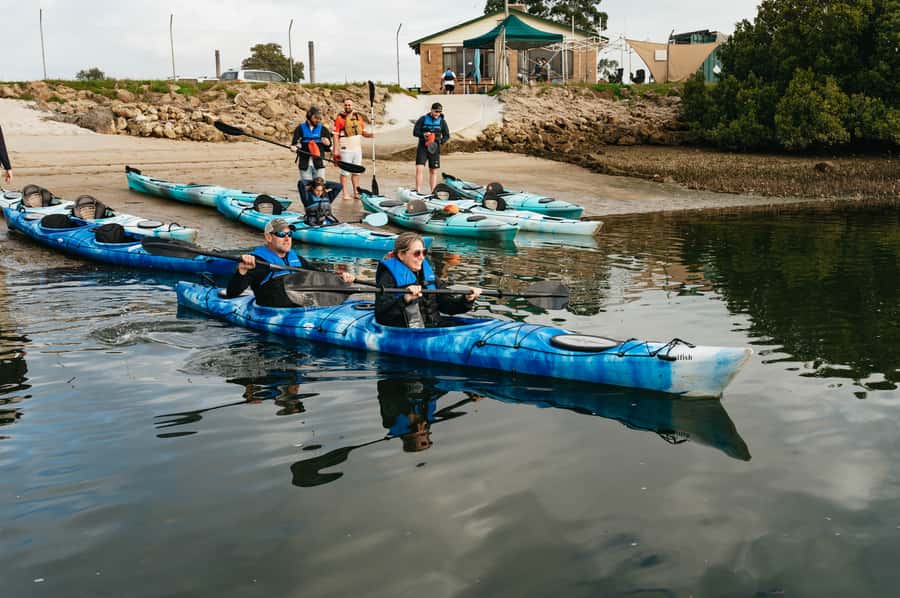
The first part is a 15-minute safety briefing. You learn how to handle the kayak, paddle safely, and respond if you lose your rhythm. That short lesson matters. Several first-time kayakers found the instruction reassuring, and guides such as Marc, Liam, and Alex are noted for helping people who struggled with technique.
You receive a kayak, life jacket, and waterproof bag. The waterproof bag is useful for a phone or small camera, but keep valuable items to a minimum. Children from age 10 can join only if they can paddle and share a double kayak with a parent or another adult.
More Wildlife Kayak Tours in Australia
- Kayaking with Dolphins in Byron Bay Guided Tour
★ 4.5 · 384 reviews - Epic Kayak With Dolphins & Wildlife – 4WD Beach Adventure Noosa
★ 5.0 · 366 reviews - Dolphin Sanctuary Kayak Tour Adelaide
★ 4.5 · 355 reviews
Paddling through a 10,000-year-old mangrove system
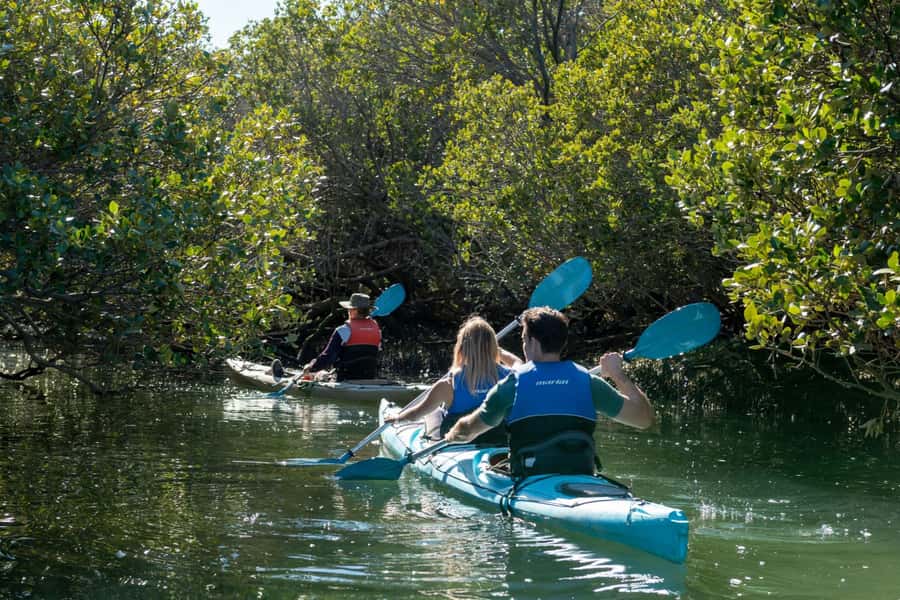
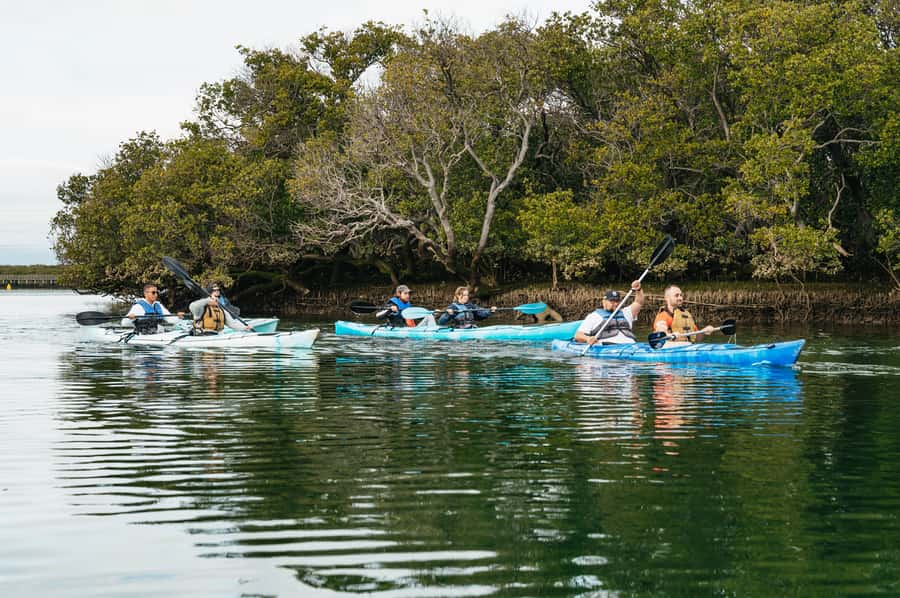
Once you leave the boat club, the outing quickly becomes quieter. The route passes into mangrove-lined creeks where the water moves with the tide and the trees grow low over the channels. You are not simply paddling across open water. You are following narrow passages through a living coastal system.
The mangroves help explain why dolphins use this part of the sanctuary. Seagrass, saltmarsh, tidal flats, and creeks provide feeding grounds for fish and other marine life. Your guide may point out how these areas shelter young fish and support birds. The setting is close to Port Adelaide, yet it feels removed from roads and buildings once your group is among the trees.
This section suits you if you enjoy nature at a slow pace. The attraction is not constant action. It is the sound of the paddle, the shifting tide, the small channels, and the chance to notice a pelican, waterbird, or movement beneath the surface. Several people found the mangroves more memorable than the dolphin search itself, which tells you something important about the tour’s real appeal.
Guides bring more than basic paddling skills. Alex has been praised for explaining dolphins, plants, local species, and the area’s past. Paddy is known for mixing useful information with an easy manner, while Liam and Kendall have helped nervous or tired paddlers keep moving. The best guides adjust their stops and explanations to the group instead of rushing everyone along.
One small weakness is that not everyone may hear every explanation clearly from the water. A participant suggested using speakers, and that is a fair point. If you are keen on every detail, stay near the guide and ask questions when the group pauses.
Searching for dolphins without chasing them
The dolphin sightings can be wonderful. Some outings have produced a mother and calf, a whole family, or dolphins passing within a short distance of the kayaks. Others have brought only a distant glimpse, and some have produced no dolphins at all.
That uncertainty is not a flaw in the tour. It is the honest cost of seeing animals in their own home. The guides do not use bait, artificial sounds, or other tricks to bring dolphins closer. If a dolphin or calf approaches, the group may stop paddling, keep quiet, and watch from a respectful distance.
This approach gives the sighting more value. You are not watching a trained animal perform. You are observing a wild creature decide where to go. A mother and calf may move past quickly, feed nearby, or turn away into open water. Even a short appearance can become the high point of the morning.
Still, do not book this as a guaranteed dolphin encounter. A calm day improves your odds, but it cannot control the animals. One person returned on a second day after wind prevented the full route and still saw no dolphins, despite enjoying both outings. Another saw none but felt the mangrove trip alone was worth the time.
If dolphins are your only reason for going, an aquarium offers more certainty. If you want a peaceful paddle with a chance of seeing dolphins without disturbing them, this tour makes more sense.
Old shipwrecks and a route shaped by the tide
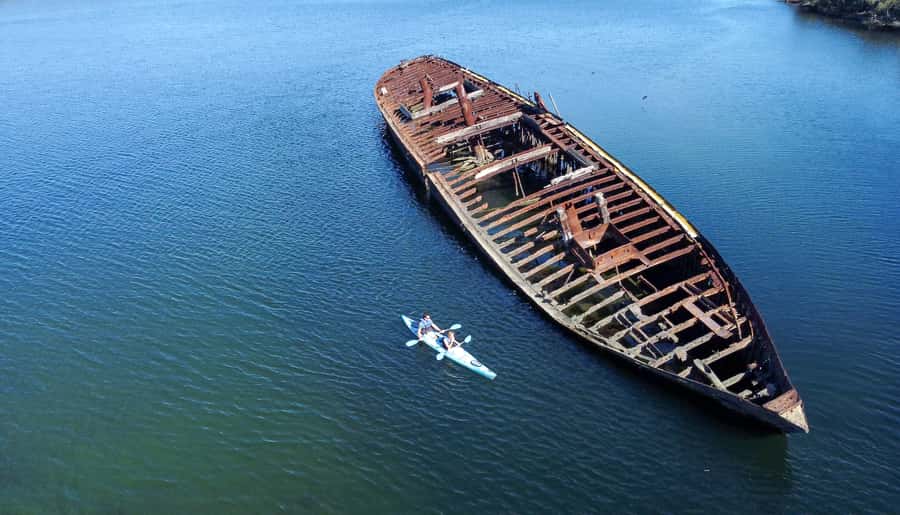
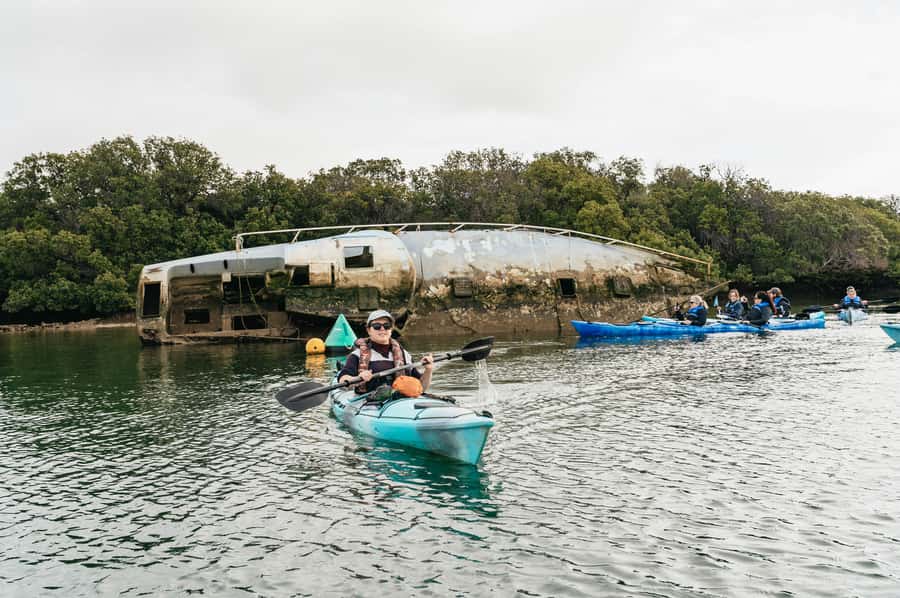
The sanctuary also contains abandoned shipwrecks from an earlier era. Paddling near them adds a strong sense of place. The boats are not presented as a separate museum visit. You encounter them from water level, with the mangroves and tidal channels around you.
The wreck area is not guaranteed. Wind, weather, and tides can alter the route, and some outings reach only part of the wreck zone. One windy day prevented a full trip to the wrecks, while a calmer return visit made the area accessible. At low tide, kayaks may occasionally touch bottom, requiring people to get out and walk the boats into deeper water.
That detail is useful because it sets a realistic expectation. This is a tidal sanctuary, not a fixed ride on rails. The route changes with conditions, and your guide may need to shorten, alter, or extend parts of the paddle for safety.
The wrecks will matter most to you if you enjoy old boats, local stories, and places that show how people once used the water. If you care more about animals and mangroves, they are an interesting extra rather than the main reason to book.
Same water, a different day out on it:
- Sydney: Harbour Sunrise Kayak Tour
★ 5.0 · 1,899 reviews - Magnetic Island Discovery Tour with Snorkeling & Paddle Boarding
★ 5.0 · 1,372 reviews - Byron Bay: The Byron Bay Sea Kayak Tour
★ 4.6 · 1,207 reviews - The Freycinet Paddle
★ 5.0 · 985 reviews
How hard are three hours in a kayak?
You do not need previous kayaking experience, and the outing is paced so beginners can keep up. Several first-time paddlers felt safe and comfortable, and one participant with two prosthetic hips found the experience manageable with a guide who set a sensible pace and chose useful stopping points.
That does not mean the tour is effortless. You paddle for much of the outing, and wind can make the return harder. One person described the activity as peaceful but noted that it can be quite hard work if you choose to paddle strongly. The boat may also move slowly when the tide is against you.
Most people should think of this as light to moderate physical activity, not a sightseeing cruise. You need to be able to paddle, sit in a kayak for the outing, and handle getting in and out. The tour is not suitable for children under 10, wheelchair users, or people with mobility impairments.
Children aged 10 to 15 must share a double kayak with a parent or adult and must be able to paddle. That rule is sensible in a tidal environment where everyone has to help control the boat.
Capsizing is possible, though it is not the usual outcome. One pair capsized near the beginning on a windy day and was helped quickly by the guide. Bring clothing that can handle getting wet, particularly if the forecast looks unsettled. The operator may cancel if conditions are unsuitable.
What the guides add to the outing
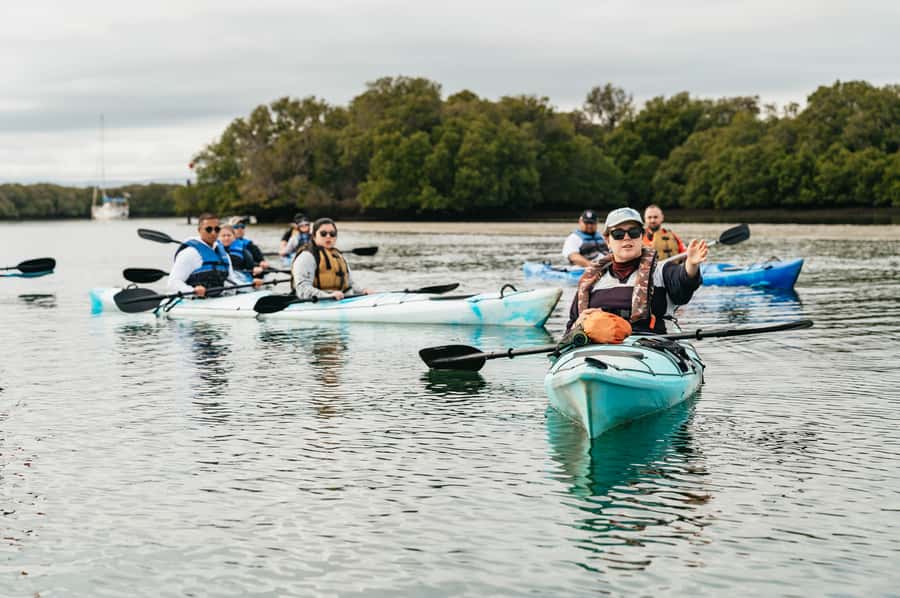
The guide can make the difference between three hours of basic paddling and a proper introduction to the sanctuary. This is led by a marine biologist, and the strongest guides connect what you see with how the system works.
Alex has been praised for detailed explanations and patience with beginners. Paddy has been singled out for dolphin facts, area information, and a calm sense of humor. Mark, Kendall, Liam, Fiona, Brayden, Hannah, Sarah, Lewis, Sam, and others have also received warm feedback for safety, instruction, and local detail.
Guide quality can vary by departure, since you may not know who is leading your group until the day. That is normal for a multi-guide operation. What matters is that the team appears prepared to help with technique, adjust the pace, and keep the group at a respectful distance from wildlife.
The outing can include local stories and accounts of the wrecks, along with information about mangrove breeding areas for fish and the sanctuary’s birds. If you are curious, ask questions. The water pauses give you a good chance to learn without feeling like you are sitting through a formal lecture.
Is the $55 price good value?
At $55 per person, this is a reasonably priced three-hour activity. The cost includes the guided outing, marine biologist guide, kayak, life jacket, waterproof bag, and drinking water for refills. You do not need to rent equipment separately or pay an extra fee for the mangrove route.
The value improves if you see dolphins, but it should not depend on that. You are paying for access to a difficult-to-explore tidal ecosystem, instruction, safety support, and a guided route through the creeks. Even without dolphins or shipwrecks, the mangroves provide a real nature experience that would be hard to organize on your own.
There are extra costs to consider. You must arrange transport to Port Adelaide, and food and drinks are not included. There is also no toilet stop during the three hours, so use the facilities before launching and plan accordingly.
For families with children old enough to paddle, couples seeking a calm outdoor activity, and first-time kayakers, the price is strong. Experienced paddlers may find the pace slow, especially if the group includes several beginners. That slower speed is also what makes the tour accessible to people who have never held a paddle before.
Who should book the Dolphin Sanctuary kayak tour?
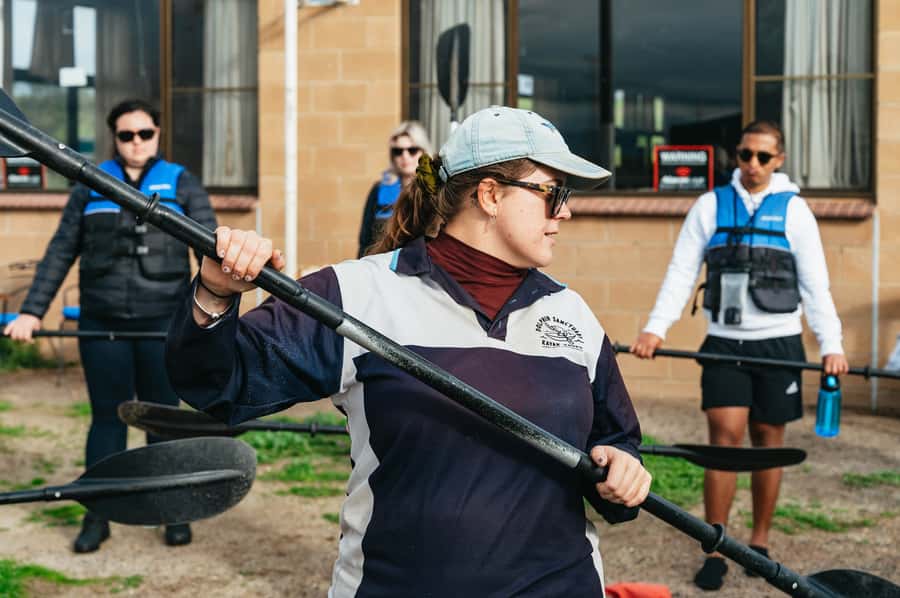
I would choose this outing if you want nature, gentle exercise, and a chance to see dolphins without treating them like a show. It fits well into a Port Adelaide visit and offers something very different from a standard boat cruise.
You will get the most from it if you can enjoy the mangroves even when the wildlife stays hidden. Bring patience, sun protection, insect spray, and realistic expectations. A calm, wind-free day may improve the route, but no weather forecast can promise a dolphin encounter.
The tour is less suitable if you need guaranteed animal sightings, dislike sitting in a kayak for several hours, or cannot paddle. It is also not a good choice if you want a completely effortless outing or need regular toilet access.
FAQ
Where does the kayaking tour begin?
The meeting point is Angas Inlet Boat Club, Lot 204 Garden Island Road, Port Adelaide, South Australia 5015.
How long does the tour last?
The experience lasts three hours and begins with a safety briefing of about 15 minutes.
Do I need previous kayaking experience?
No. The tour provides demonstrations and basic instruction, and it moves at a comfortable pace for people without prior kayaking experience.
Are dolphin sightings guaranteed?
No. Dolphins are wild animals, and sightings depend on their behavior, weather, tides, and conditions on the day.
Will the tour always visit the shipwrecks?
No. Wind, weather, tides, and safety conditions can prevent the group from reaching or paddling within the shipwreck area.
What equipment is included?
A kayak, life jacket, waterproof bag, and water for refilling your drink bottle are included. Food and drinks are not included.
Can children join the tour?
Children must be at least 10 years old and able to paddle. Children aged 10 to 15 must share a double kayak with a parent or another adult.
More Dolphin Trips in Australia
- Adelaide Dolphin Sanctuary and Ships Graveyard Kayak Tour
★ 5.0 · 275 reviews - Noosa: Epic Ocean Kayak with Dolphins & 4WD Beach Adventure
★ 4.6 · 247 reviews - Dolphin Sanctuary and Ships Graveyard Kayak Tour
★ 4.7 · 143 reviews - Adelaide Dolphin Sanctuary Mangroves Kayaking Tour
★ 4.5 · 59 reviews
Just added around Australia
- Whale Watching by Sea Kayak in Batemans Bay★ 5.0 · 6 reviews
- Batemans Bay Overnight Kayak Camping Tour – All Inclusive★ 5.0 · 5 reviews
- 3-Hour Kayak and Snorkeling Experience in Batemans Bay★ 5.0 · 16 reviews
- Half Day Sea Kayak Tour from Batemans Bay with Morning Tea★ 5.0 · 99 reviews
- Batemans Bay Oyster Tasting Kayak Tour★ 5.0 · 83 reviews
- Batemans Bay Sunset Pizza Kayak Tour – Float and Feast★ 5.0 · 21 reviews
- Batemans Bay Glass-Bottom Kayak Tour Over 2 Relaxing Hours★ 5.0 · 96 reviews
- 2-Hour Kayaking Experience in Barossa Valley★ 5.0 · 65 reviews
Adelaide Kayak Tours, compared.
Adelaide Dolphin Sanctuary and Ships Graveyard Kayak Tour
Read our review →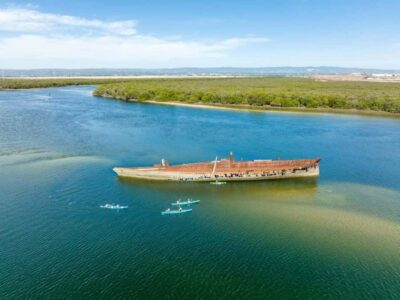
Dolphin Sanctuary and Ships Graveyard Kayak Tour
Read our review →
Full Day Kayaking Tour in Coorong National Park
Read our review →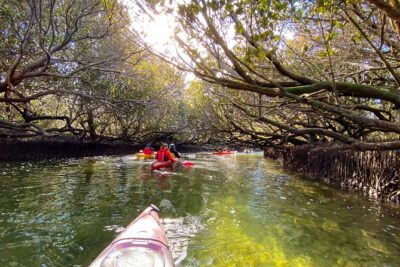
Adelaide Dolphin Sanctuary Mangroves Kayaking Tour
Read our review →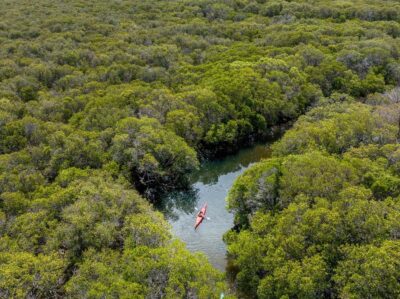
Browse the lists this tour appears in