
Review · COCOA BEACH KAYAK TOURS
Bioluminescence Kayak Tour
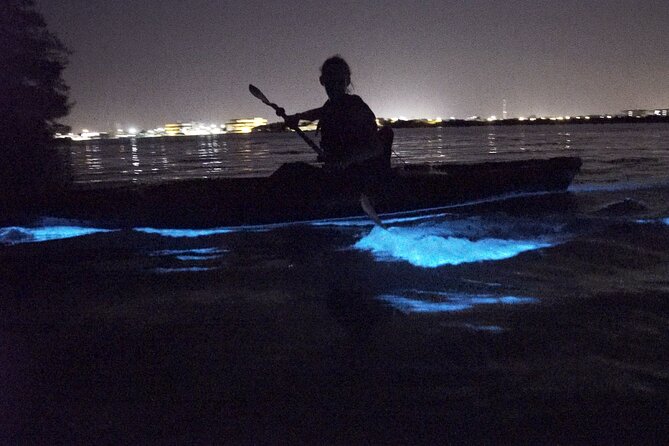
The best part of this night kayak tour near Cocoa Beach is the moment ordinary water starts to glow. In summer, tiny dinoflagellates make blue-green clouds around your paddle. In winter, clear comb jellies can light up individually, and you may see fish, manatees, or dolphins moving through the dark.
I like two things here. First, the guide-led format makes night kayaking feel approachable, even if you have never used a kayak. Guides such as Aidan, Caleb, Sean, and Zoey have been praised for clear instruction, safety, and lively explanations. Second, the tour gives you a close look at a living estuary rather than a staged show. The tradeoff is simple: nature controls the main attraction, and some nights produce only a few faint sparks.
Key points to know
- Summer and winter offer different kinds of glow: Dinoflagellates are usually best from May through early November, while comb jellies are the main draw from late November through April.
- The tour lasts about two hours: You paddle out, watch for glowing life and wildlife, then return to the same meeting point.
- First-time kayakers can take part: A guide provides instruction, a kayak, paddle, and personal flotation device.
- Wildlife adds surprise: Fish, jumping mullet, manatees, and dolphins have all appeared during tours.
- Bring clothes that can get wet: Water shoes, a spare outfit, bottled water, and snacks are practical choices.
- Light pollution and weather matter: Wind can cancel a trip, and nearby lights or poor conditions can reduce the glow.
What the night on the Indian River Lagoon is really like
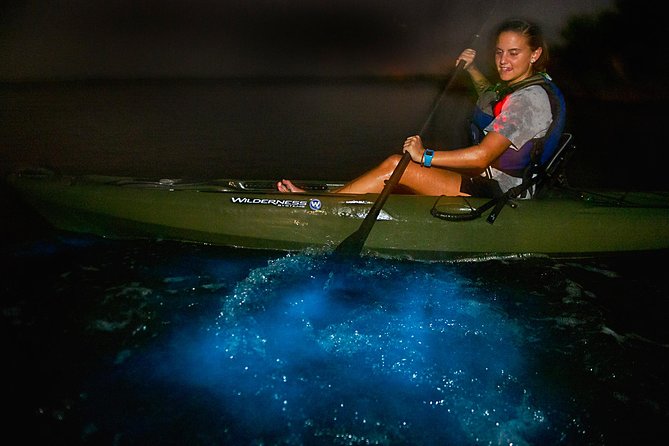
This is not a ride through a darkened attraction with guaranteed special effects. It is a calm-water paddle in the Indian River Lagoon near Merritt Island National Wildlife Refuge, where the spectacle changes with the season, weather, moon, water conditions, and the amount of microscopic life present.
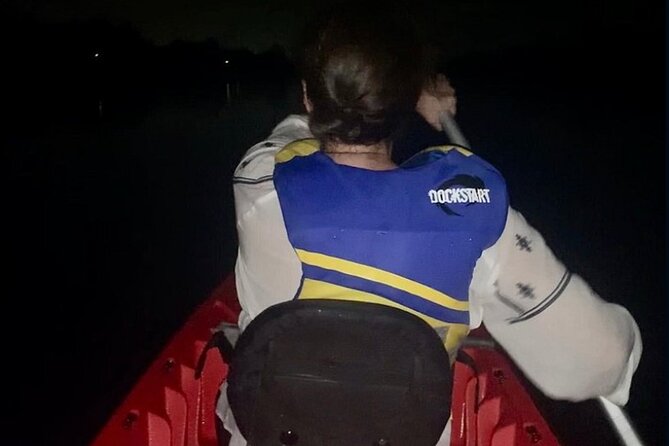
You meet at 951 Kiwanis Island Park Road on Merritt Island. The activity ends at the same place, so you do not need to arrange a separate pickup. After check-in, the guide provides your kayak, paddle, and personal flotation device, then explains how to move and steer before the group heads onto the water.
The first part can feel more practical than magical. You are getting seated, finding a comfortable paddling rhythm, and learning how to keep your boat near the group. That matters at night. A good guide keeps the outing orderly and helps nervous paddlers settle down before the dark does its work.
The paddle itself is described as low-stress by several people who had little or no kayaking experience. Still, do not mistake easy water for no effort. One particularly unhappy account described a longer paddle and rougher water than expected. Conditions can change, and your comfort will depend on wind, stamina, and how efficiently you paddle.
More Night Kayak Tours in Cocoa Beach
- Bioluminescence Night Kayaking Tour of Merritt Island Wildlife Refuge
★ 4.5 · 605 reviews - Florida Bioluminescence Kayaking Tour (Titusville)
★ 4.5 · 350 reviews - Bioluminescent Clear Kayak Tours in Titusville
★ 5.0 · 321 reviews
Summer glow: blue-green clouds around your paddle
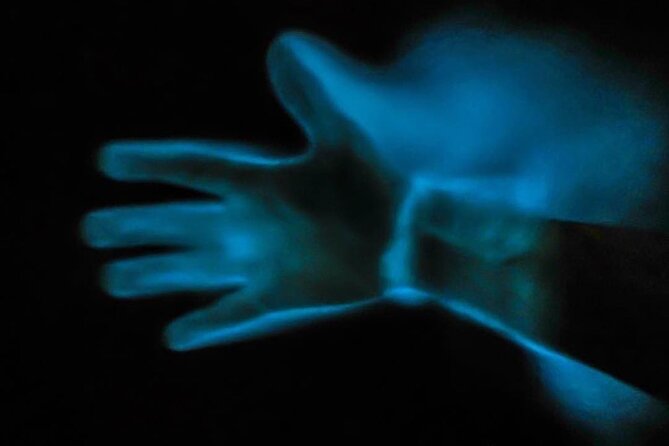
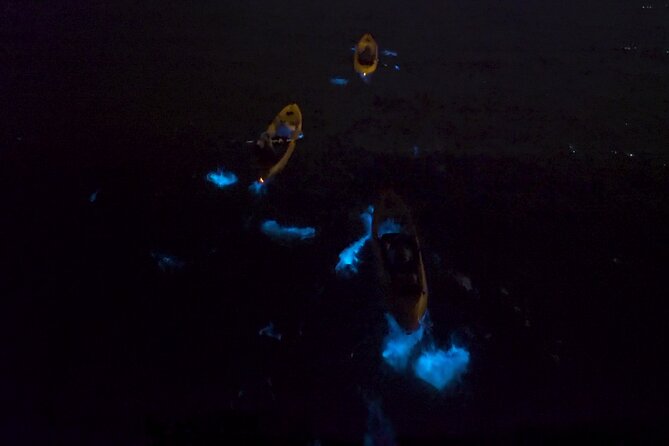
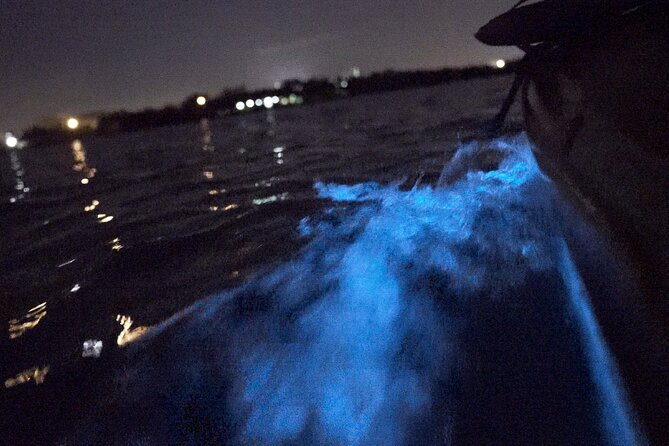
From May through early November, the main attraction is dinoflagellate bioluminescence. These single-celled organisms can produce a cloudy blue-green glow when the water is disturbed. Each paddle stroke may create a brief shimmer, and fish moving below can look like quick flashes in the dark.
The effect is usually more atmospheric than brilliantly bright. On a strong night, the glow can seem to spread around your hands and kayak. One September outing produced what the guide described as a very high level of bioluminescence, with glowing water, manatees, mullet, and even unusual light effects discussed during the trip.
You should book the warm-season trip if your main goal is to see glowing plankton. Late spring and summer are generally the safer choice for that particular effect, based on the seasonal information provided. Even then, no one can promise a certain brightness on a given night.
The timing of your departure may also matter. One account suggested that an early evening trip produced very little, while a later departure might have offered darker conditions. That is not a guarantee, but it is worth asking the operator which launch time is currently producing the best results.
Winter glow: holding a comb jelly in your hands
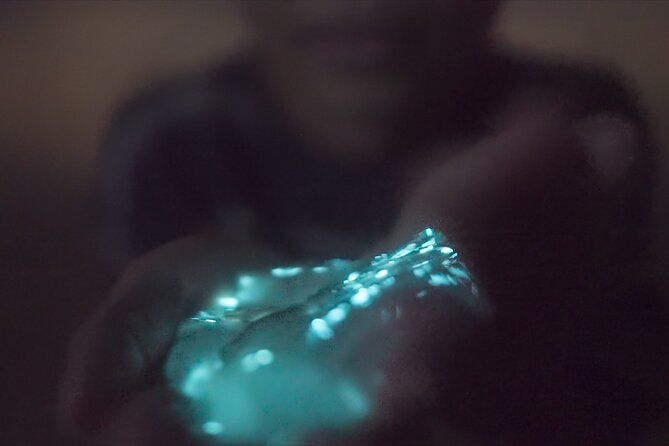
From late November through April, comb jellies become the focus. These clear, rounded creatures are not true jellyfish in the usual stinging sense. They do not sting, and the tour description says you may catch and hold them gently while on the water.
This is a different experience from summer plankton. Instead of a broad cloud of light, you may see individual creatures glowing as they move through the water. A few people have described catching several comb jellies, while others saw only one or a handful.
That difference explains the mixed winter results. One January trip produced a memorable encounter with glowing jellies and jumping fish. Another had little visible bioluminescence, though the calm paddle and a single glowing jelly still made the outing worthwhile. December and January trips can be pleasant, but the plankton effect is not at its seasonal peak.
Winter also brings a practical issue: it may feel cold on the water. One February outing was described as chilly, even though the group still had a good time. Bring layers that you do not mind getting damp, and keep a dry change of clothes nearby.
Fish, manatees, dolphins, and the occasional space launch
Bioluminescence is the headline, but the lagoon can provide plenty to watch while you wait for the water to glow. Jumping mullet are a regular source of surprise. They can shoot from the water without warning, sometimes close enough to startle a paddler.
Manatees have surfaced right beside kayaks, and dolphins have also been seen. One outing included a large group of manatees before the launch even began. Another included a manatee surfacing so close that it nearly tipped a kayak. These encounters are memorable, but they also show why you should keep your hands inside the kayak and give wildlife room.
The water may be shallow in places. One account described much of the route as around a foot deep, but water depth and conditions can vary. You should not expect a wildlife guarantee. The lagoon is an active natural area, not a zoo, and the animals decide what appears.
The setting can add another layer of drama. Some outings have coincided with rocket launches from the Cape Canaveral area, meteor activity, a bright moon, or heat lightning far across the horizon. Those events are entirely outside the tour’s control, but they can turn a good night into a remarkable one.
Same water, a different day out on it:
- Thousand Island Mangrove Tunnel, Manatee & Dolphin Kayak Tour w/Cocoa Kayaking
★ 5.0 · 923 reviews - Manatee and Dolphin Kayaking | Wildlife Refuge (Titusville)
★ 5.0 · 241 reviews - Wildlife Refuge Manatee, Dolphin & Mangrove Kayak or Paddleboarding Tour!
★ 5.0 · 210 reviews - Dolphin and Manatee Kayak and SUP Adventure Tour of Cocoa Beach
★ 5.0 · 194 reviews
Guides make the difference after sunset
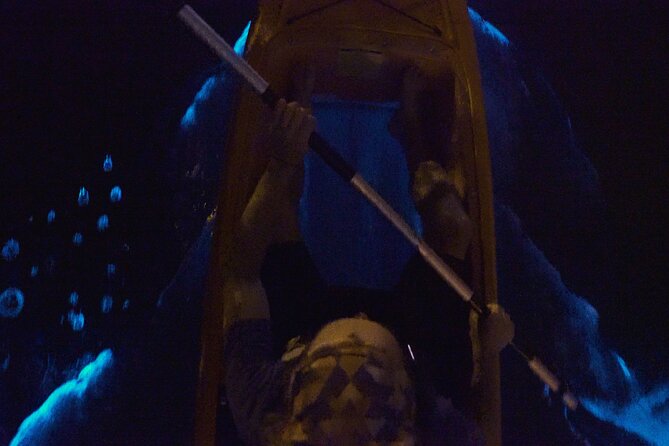
Night kayaking requires more than pointing out glowing organisms. You need someone who can explain the science, keep the group together, give clear paddling instructions, and react calmly when the water becomes choppy.
Aidan received especially strong praise for helping a first-time kayaker feel confident before leaving shore. He was also described as attentive to safety throughout the trip. Caleb has been noted for adjusting the pace and explanations to suit smaller groups, while Sean brought detailed biology explanations that held the attention of a teenager who had not wanted to go kayaking in the first place.
Zoey has also been praised for watching the group’s energy and helping when conditions became harder. On one small late-night outing, she reportedly towed a kayak when the water became choppy. Guides named Matt, Matthew, Drew, Jordan, Jorge, Lucas, Kurt, Jessie, and Jayden have also been singled out for good instruction, humor, or explanations of local wildlife.
Guide quality can vary, as it does with any group activity. One poor experience involved a late start, weak directions, and a guide who seemed unprepared. That account also raised concerns about the distance paddled and the rougher water. I would arrive early, confirm the meeting spot, and ask how far the group expects to paddle before launching.
What to wear and pack for a wet night
You are likely to get at least a little wet. Wear clothes that can handle splashes, and choose water shoes, sandals, or Crocs that can be worn in the water. Avoid footwear that becomes slippery or difficult to keep on.
Bring an extra change of clothes. Leave a towel in the car for the return, since it is more useful after the tour than in the kayak. Bottled water and snacks are sensible for a two-hour activity, especially if you are paddling with children or are not used to exercise.
You may bring a camera and dry bag, but set your expectations low for photographs of the glow. The tour information specifically warns that cameras are not very useful for capturing bioluminescence. A phone or camera can still record people, kayaks, and pre-tour moments, but the glowing water may not show clearly.
A flashlight is allowed, though a safety light is provided. Keep extra gear simple. The kayak, paddle, and flotation device are included, and you can bring any personal paddling equipment you prefer.
Group size, timing, and comfort
The maximum group size is 42 people. That is a fairly large possible group for a quiet lagoon experience, though the number on your particular departure may be much smaller. One off-season trip had only three people, and another late-night outing had just two participants.
A smaller group can make it easier to ask questions and stay close to the guide. A larger group may feel less personal, and it can take longer to launch, regroup, or make sure everyone has seen a particular animal or patch of glowing water.
The tour takes about two hours. You should allow extra time around the start for arrival, fitting gear, and instructions. The exact amount of paddling can vary, and the trip may feel more demanding in wind or choppy water than it does on a calm night.
Most people can participate, and the activity has worked for families with young children and older adults who had not kayaked in decades. Still, you need to be comfortable sitting in a kayak, using a paddle, and getting a little wet. If you have concerns about distance or water conditions, ask before booking rather than assuming every departure is gentle.
How much value does the tour offer?
No tour price is provided here, so I cannot judge the exact dollar value. The better way to assess it is to look at what you receive: about two hours on the water, a kayak, paddle, flotation device, and a professional guide who provides instruction and interpretation.
That package has good value when the bioluminescence is strong, wildlife appears, and the guide keeps the outing engaging. It also has value as a night kayaking lesson, especially for first-timers who would not feel comfortable heading out alone after dark.
The value drops if you book at the wrong time of year expecting the wrong type of glow. A late-fall or winter trip is not the best pick if your dream is a bright trail of blue-green plankton. Choose summer for dinoflagellates, or choose winter for the chance to handle gentle comb jellies.
Weather is another value risk. High winds can cancel the trip. One cancellation led to a dispute over receiving credit instead of an immediate refund, though the stated policy allows a full refund when you cancel at least 24 hours before the start time. Cancellations made inside 24 hours are not refundable, and changes inside that window are not accepted.
Who should book the Cocoa Beach night paddle?
I would recommend this for families, couples, solo visitors, and curious first-time kayakers who enjoy nature more than guaranteed spectacle. It is particularly good for children and teenagers who like animals, science, or unusual outdoor activities. The guides can turn a simple paddle into a lesson about estuaries, plankton, comb jellies, mullet, and manatees.
It also suits visitors already spending time near Cocoa Beach, Merritt Island, or the Kennedy Space Center area. The possibility of seeing a rocket launch is an added bonus, not something to plan around.
I would hesitate if you need a guaranteed bright display, dislike getting wet, or expect a polished attraction with fixed results. You should also think twice if you are a weak paddler and are not willing to ask about route length and current conditions.
The rating is strong at 4.8 out of 5 from 831 ratings, with 94 percent recommending the experience. That points to a dependable overall outing, but the lower ratings explain the main risk: bioluminescence can be faint, light pollution can interfere, and organization is not perfect every time.
My booking advice
Book from May through early November if glowing plankton is your priority. Book from late November through April if the chance to catch and hold non-stinging comb jellies sounds more appealing.
Before you confirm, check the exact meeting point, departure time, seasonal conditions, and expected paddling distance. Arrive prepared to get wet, bring dry clothes, and treat the glowing water as a natural bonus rather than a guaranteed performance.
For the right visitor, this is worth booking. You get an easy entry into night kayaking, a chance to see the lagoon’s wildlife, and a rare look at living creatures that make the water shine. Just choose your season carefully and let nature set the final score.
FAQ
Where does the bioluminescence kayak tour meet?
The meeting point is 951 Kiwanis Island Park Road, Merritt Island, Florida 32953. The activity ends back at the same meeting point.
How long does the tour last?
The kayak tour lasts approximately two hours.
What kind of bioluminescence can I see?
From May through early November, you may see cloudy blue-green glow from dinoflagellates. From late November through April, you may see individual glowing comb jellies.
Are comb jellies safe to touch?
The tour information says comb jellies do not sting and may be gently caught and held during the experience.
Is kayaking experience required?
Most people can participate, including first-time kayakers. A guide provides instruction before the group leaves, along with a kayak, paddle, and personal flotation device.
What should I wear?
Wear clothes that you do not mind getting wet. Water shoes, sandals, or Crocs that can be worn in the water are recommended. Bring a spare outfit and leave a towel in your car.
Can I bring a camera?
You can bring a camera and dry bag, but the tour information warns that cameras are not very effective for photographing bioluminescence. They are more useful for taking pictures of people.
How many people can join the tour?
The maximum group size is 42 people. Actual group sizes can be much smaller, especially during the off-season or on late departures.
What is the cancellation policy?
You can cancel at least 24 hours before the start time for a full refund. Cancellations or changes made less than 24 hours before the start time are not accepted for a refund.
Just added around Cocoa Beach
- Cocoa Beach: Dolphin and Manatee Kayak or Paddle Tour★ 4.3 · 69 reviews
- Dolphin and Manatee Kayak and SUP Adventure Tour of Cocoa Beach★ 5.0 · 194 reviews
- Wildlife Refuge Manatee, Dolphin & Mangrove Kayak or Paddleboarding Tour!★ 5.0 · 210 reviews
- Wildlife Refuge Sunset Dolphin, Manatee & Mangrove Kayak or Paddleboarding Tour!★ 5.0 · 20 reviews
- Clear Kayak Bioluminescence Tour★ 4.5 · 166 reviews
- Bioluminescence Clear Kayak or Paddleboard Tour Near Orlando★ 4.5 · 145 reviews
- Clear Kayak Guided Kayak Tours in Titusville★ 5.0 · 116 reviews
- Manatee and Dolphin Kayaking | Wildlife Refuge (Titusville)★ 5.0 · 241 reviews
Cocoa Beach Kayak Tours, compared.
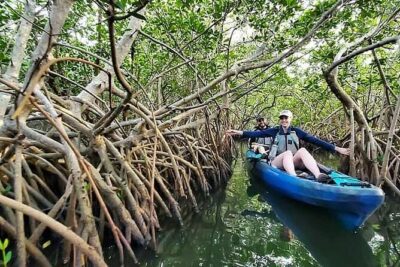
Thousand Island Mangrove Tunnel, Manatee & Dolphin Kayak Tour w/Cocoa Kayaking
Read our review →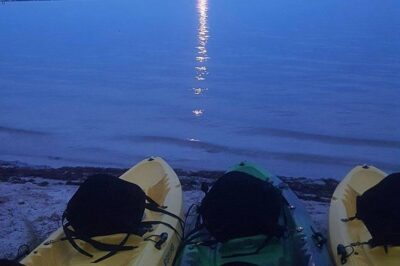
Bioluminescence Night Kayaking Tour of Merritt Island Wildlife Refuge
Read our review →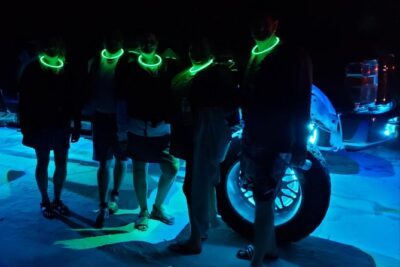
Florida Bioluminescence Kayaking Tour (Titusville)
Read our review →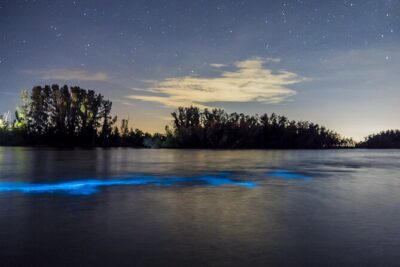
Bioluminescent Clear Kayak Tours in Titusville
Read our review →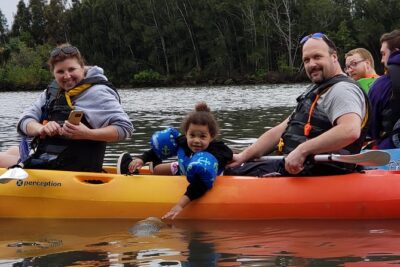
Manatee and Dolphin Kayaking | Wildlife Refuge (Titusville)
Read our review →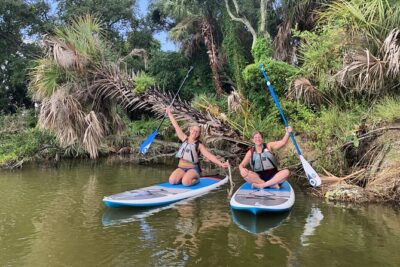
Wildlife Refuge Manatee, Dolphin & Mangrove Kayak or Paddleboarding Tour!
Read our review →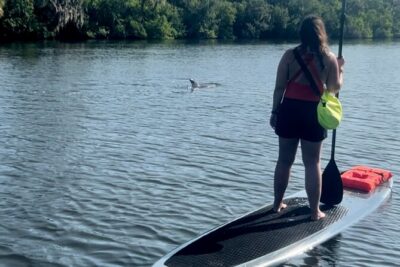
Dolphin and Manatee Kayak and SUP Adventure Tour of Cocoa Beach
Read our review →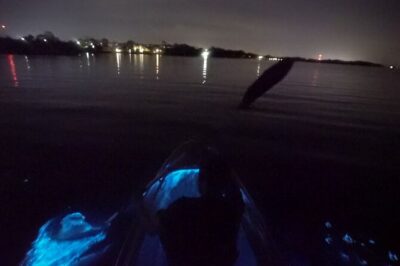
Browse the lists this tour appears in