
Review · CANOE TRIPS
Okavango Delta: Full-Day Mokoro/Canoe Tour All-Inclusive
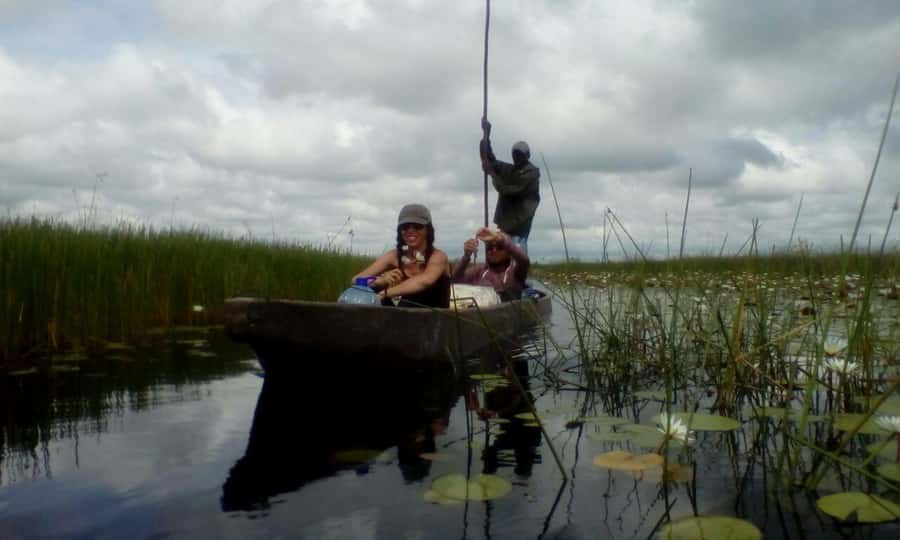
The special thing here is the pace. A local poler moves you through the Okavango Delta in a narrow, one-tree canoe, with only the sound of water, reeds, birds, and the occasional hippo breaking the quiet. You are seeing the delta as a water system and a home, not racing from one animal sighting to the next.
I like the local-led setting and the chance to combine a mokoro ride with a proper walk on an island. I also like the practical all-inclusive setup: transport from Maun, park fees, lunch, water, and community fees are covered. The catch is simple: this is not the right trip if your main goal is lions, leopards, or a long list of big animals.
Key points
- Mokoro travel: Glide quietly through shallow delta channels in a traditional one-tree canoe.
- Local guides and polers: Meet people from the Okavango community who take you through their home waters.
- Walking safari: Leave the canoe for a guided bush walk, with a slower and more direct feel than a vehicle drive.
- Island picnic: Stop for a packed lunch and bottled water on one of the delta islands.
- Wildlife expectations: Hippos, impala, elephants, birds, and sometimes giraffes or zebras are possible, but nothing is guaranteed.
- Useful value: The $171 price includes Maun pickup and drop-off, entrance costs, lunch, water, guide services, and community trust fees.
Why the Mokoro Ride Is the Main Event
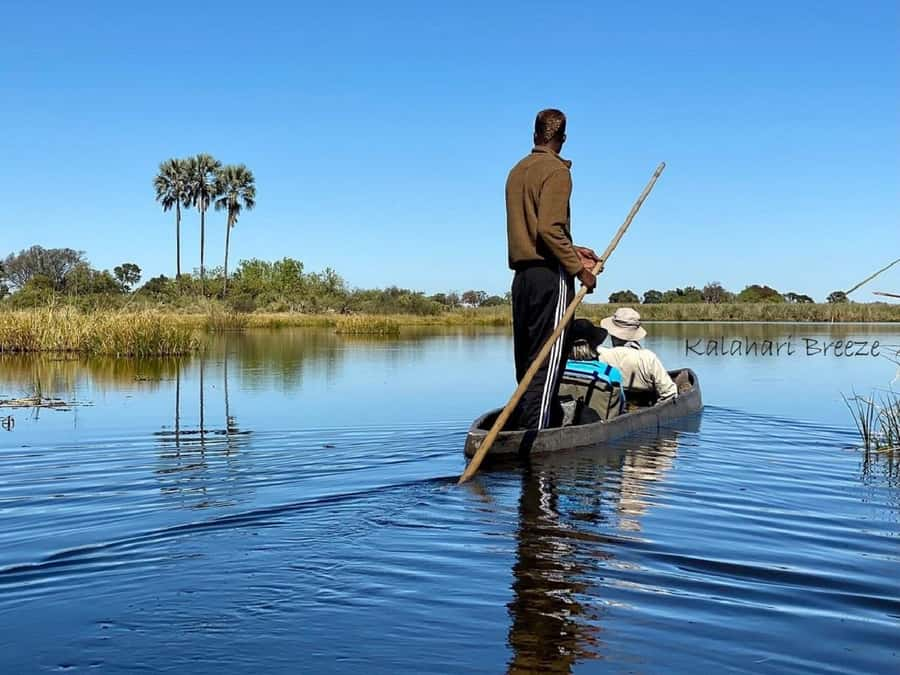
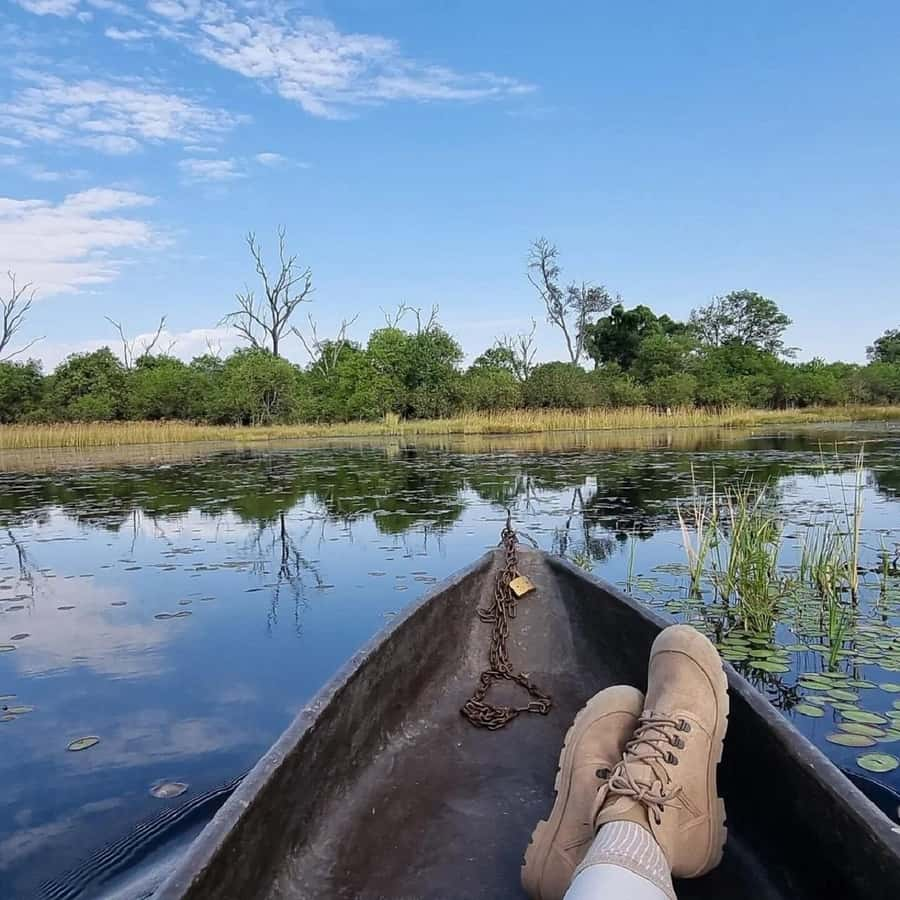
The mokoro is the heart of this day. You sit low over the water while an experienced poler guides the canoe through narrow channels and tall reeds. This quiet form of transport lets you notice small things: shifting reflections, bird calls, water movement, and the shape of the islands ahead.
A mokoro is not a motorboat with a sightseeing stop. It moves slowly, covers limited ground, and gives you time to watch the delta work around you. That makes it a fine contrast to a standard 4×4 game drive, where the main aim is often to cover distance and locate animals.
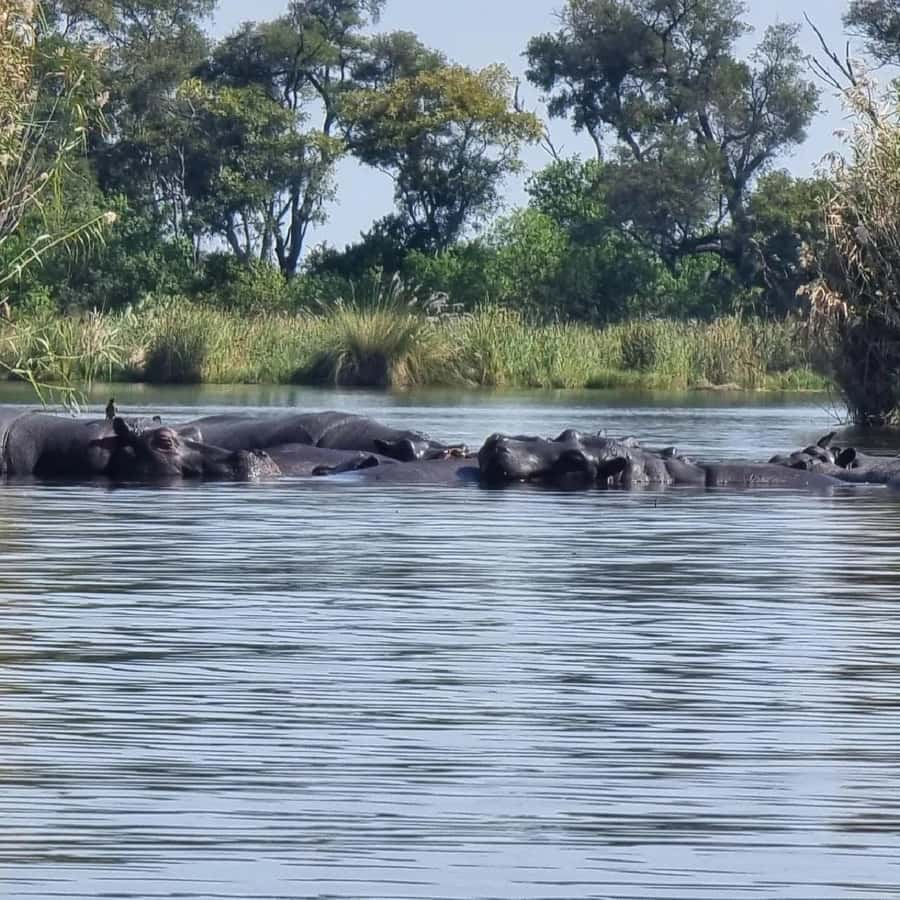
You may pass areas used by hippos, and the water can also bring crocodiles and other wildlife into view. One memorable possibility is seeing a hippo colony from the canoe. That can feel wonderfully intimate, but it also means you must listen closely to your poler and follow safety instructions.
The ride is best for someone who enjoys quiet observation. If you need constant action, the slow pace may test your patience. The canoe is also open to the weather. Rain can arrive, especially during wetter periods, although the transport vehicle has sides that can be closed and blankets may be available for the road portion. Rain clothing has also been provided when needed.
More Canoe Trips in the world:
- Phang Nga Bay Sea Cave Canoeing & James Bond Island by Big Boat
★ 5.0 · 4,666 reviews - From Phuket: Phang Nga Bay and Canoeing Tour by Big Boat
★ 4.7 · 3,528 reviews - Phuket: James Bond Island Longtail Boat and Sea Canoe Tour
★ 4.8 · 2,364 reviews
Leaving Maun for the NG32 Concession
The day normally begins with pickup at your Maun hotel or guesthouse around 7:30 AM. You wait at reception, then travel by Jeep or SUV toward the Okavango Delta’s NG32 Concession.
Allow roughly one to two hours for the outward transfer. The return drive is listed at about one and a half hours, so transport takes a meaningful part of the day. That is worth knowing before you book. You are not stepping straight from a Maun hotel into a canoe, but the drive is part of reaching the delta’s waterways.
The vehicle transfer also gives you a useful change of scene. The road portion is not simply dead time, and one particularly good detail is the preparation for changing weather. The vehicle can be closed up in rain, and blankets may be available. Still, bring sun protection and a light layer of your own, since conditions can shift.
Your package includes hotel pickup and drop-off, entrance fees, tourism levies, and community trust fees. That makes the $171 cost easier to judge. You are paying for a full day, not just a short canoe ride, and you do not need to add the usual park and transfer charges separately.
Local Polers Show You Their Home
Once you reach the concession, you are paired with a guide and poler. The people leading the activity were born and raised in the Okavango Delta, and the trip is built around their connection to the area.
That local link matters. You are not simply being placed in a canoe and pointed toward the reeds. The poler and guide explain what you are seeing, talk about life in the delta, and help you understand how water, islands, wildlife, and nearby communities fit together.
The human side of the trip is intentionally low-key. You may meet local villagers, but this is not presented as a staged cultural display. The contact is part of seeing the delta as a lived-in place, not an empty nature set designed only for visitors.
The precise guide names are not provided in the booking details, so you should not expect to select a particular person. What is clear is that the guiding team is local and that English is the tour language. Small-group departures are available, which can make the canoe and walking portions more comfortable than a large group outing.
The Walking Safari Changes the Day
After time on the water, you set out on foot for a guided bush walk of about one and a half hours. This is not a long-distance hike, but it does require a moderate level of fitness.
Walking changes what you notice. You move slowly, stop often, and examine the ground, vegetation, islands, and animal signs at a human pace. You are less protected from the surroundings than you would be inside a vehicle, so the guide’s instructions matter.
This section is one of the best reasons to choose the tour. It gives you a direct sense of the delta rather than keeping you seated all day. You may see impala, elephants, giraffes, zebras, or other general game, but the walk is not designed to track predators or cover a wide area.
Wear closed-toe shoes. Sandals are a poor match for a bush walk, even if they seem comfortable on the canoe. A hat, sunglasses, sunscreen, and a headscarf are also useful. The supplied packing advice is sensible, especially because the day combines bright water, open ground, and sun exposure.
People with mobility impairments and children under seven are not suitable for this activity. The combination of a canoe transfer, uneven ground, and a walking safari makes that restriction practical rather than arbitrary.
A few more paddling days around the world worth a look
- Cat Ba: Lan Ha, HaLong bay full day- biking, kayaking, lunch
★ 4.8 · 1,166 reviews - Halong Bay Full Day with Kayaking, Hiking viewpoint, Cave – Deluxe To Luxury
★ 5.0 · 884 reviews - Ang Thong: Marine Park Full-Day Kayaking & Snorkeling Tour
★ 4.6 · 768 reviews - Key West Full-Day Ocean Adventure: Kayak, Snorkel, Sail
★ 5.0 · 767 reviews
Lunch on a Delta Island
The midday break is set on one of the islands. You receive a packed lunch and bottled water, then have time to rest and take in the surroundings before continuing.
Do not expect a restaurant or a long menu. The value is the setting and the pause. After the early transfer, canoe ride, and walking section, a simple meal outdoors gives the day a natural rhythm.
Lunch is also a useful point to reset your expectations. This is a full day in a remote setting, not a polished resort excursion. The food is described as good, but you should think of it as a practical picnic rather than a culinary event.
Water is included, which is important in the heat. You should still arrive prepared with sunscreen and a hat. The tour advises against bringing valuables, drones, weapons, or sharp objects. That keeps the packing list simple and avoids carrying items that are unsuitable for the activity.
Wildlife: What You Might See
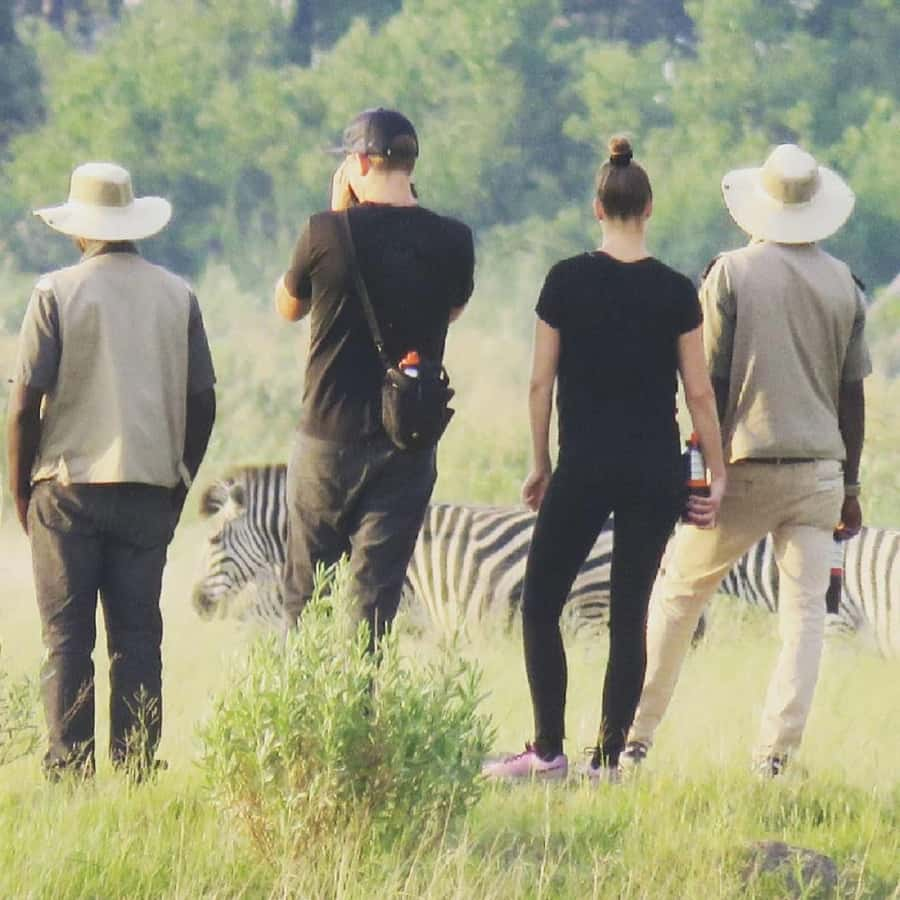
The Okavango can produce memorable animal sightings, but this tour does not promise a parade of wildlife. The canoe and walking sections move slowly and cover less ground than a motorized game drive.
Hippos are among the most likely major sightings, and you might also see impala, elephants, crocodiles, and a wide range of birds. Giraffes, zebras, and other antelope are possible. Some days produce several species. Other days may offer little more than birds and signs of animals.
That uncertainty is not a flaw in the tour. It is a basic part of viewing wildlife in the wild. The important point is to book this for the setting, quiet, and local perspective first. Treat animals as an added benefit.
I would not choose this as your only wildlife activity if you want lions, leopards, or frequent predator sightings. The trip information is unusually clear on this point. A motorized 4×4 activity is better for covering ground and searching for big game.
The slower approach can still reward you. Seeing a hippo colony from a mokoro, hearing birds across the water, or watching elephants near the channels can be more memorable than ticking off a long species list. You simply need to value the quality of the setting over the number of sightings.
How the Day Flows
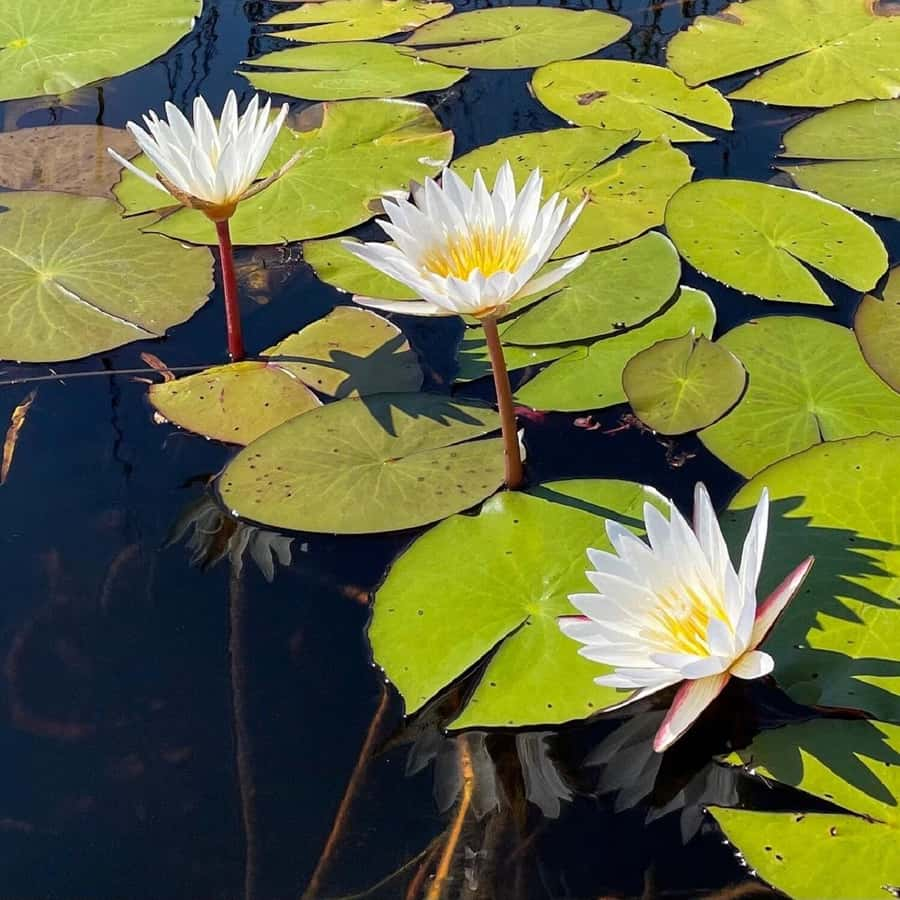
The full schedule runs roughly like this:
- Pickup from Maun around 7:30 AM
- Jeep or SUV transfer to the Okavango Delta, about one to two hours
- Mokoro and water-based wildlife viewing, about one and a half hours
- Guided walk on foot, about one and a half hours
- Island lunch and rest, about one hour
- A further hour by mokoro through the channels
- Return drive to Maun, about one and a half hours
The order of the walking and lunch sections may vary. The main pattern remains the same: road, water, foot, picnic, water, and road.
This mix keeps the day from feeling repetitive. The first canoe section introduces the waterways, the walk gives you a closer look at the islands, and the second time on the water lets you settle into the calm of the delta. You are not spending all day in one position.
It is still a long outing. The combined road time and outdoor activity can make for a tiring day, especially in hot or wet weather. Plan on being away for most of the daylight hours and choose clothing that can handle dust, sun, and possible rain.
What the $171 Price Covers
At $171 per person, this is not the cheapest way to see the Okavango, but the price includes several costs that can otherwise appear as extras. Hotel pickup and drop-off from Maun, park entrance fees, tourism levies, community trust fees, a guide, lunch, and bottled water are included.
That package gives the tour solid practical value for someone staying in Maun and wanting a complete day without arranging separate transport. The community fees are also relevant. Part of the cost supports the local structure that helps provide access to the concession and local guiding work.
The value is weaker if you mainly want a short canoe outing. You are paying for the transfer, walking safari, picnic, and full-day organization as well. The price makes more sense when you want all of those parts together.
Free cancellation up to 24 hours before departure and reserve-now, pay-later booking add flexibility. Health and travel insurance are not included, so arrange those separately if you need them.
Who Will Enjoy This Most
I would recommend this trip to you if you like natural settings, quiet travel, and local contact. It suits people who want to understand how the delta looks and feels, rather than simply collect animal sightings.
It is also a good choice if you have already done a motorized game drive and want a different view of Botswana. The canoe and bush walk slow everything down. That change of pace can be the point, especially after several busy safari days.
You should think twice if you dislike open canoes, walking on uneven ground, or long transfers. The trip has no fixed promise of close wildlife encounters, and you cannot switch to a vehicle whenever the canoe feels slow.
The activity is not suitable for children under seven or people with mobility impairments. English is the guiding language, and small-group availability may be useful if you prefer a more personal outing.
Small Details That Improve the Day
Pack lightly. Sunglasses, a sun hat, sunscreen, a headscarf, and closed-toe shoes are the key items. Keep valuables at your accommodation, and do not bring drones, weapons, or sharp objects.
Ask your accommodation reception to confirm the pickup details and be ready around the stated morning time. The tour picks up from hotels and guesthouses in Maun, but a prompt start matters when the road to the concession takes up to two hours.
Bring patience as well as sun protection. The strongest moments may be quiet ones, such as floating through reeds or sitting on an island while the guide explains the waterways. If you judge the day only by animal numbers, you may come away disappointed.
Should You Book This Okavango Delta Tour?
Book it if you want a peaceful, local-led Okavango experience built around water, walking, and scenery. The tour combines a traditional mokoro ride, a guided bush walk, an island picnic, and community involvement in one organized day from Maun.
Skip it if your priority is finding lions, leopards, or as many large animals as possible. Choose a motorized 4×4 activity instead. For everyone else, the $171 price is reasonable because it covers transport, fees, food, water, and both major activities.
The best reason to go is not the promise of a particular animal. It is the chance to move quietly through the delta with people who call it home.
FAQ
Where does the tour start?
The tour starts with pickup from hotels and guesthouses in Maun, usually around 7:30 AM. You should wait at your accommodation’s reception.
How long is the tour?
It is a full-day activity. The schedule includes road transfers, two mokoro sections, a guided walk, lunch, and the return to Maun.
What wildlife might I see?
You might see hippos, impala, elephants, crocodiles, birds, giraffes, zebras, and other antelope. Wildlife sightings are not guaranteed.
Is this a big-game safari?
No. The main focus is the Okavango Delta’s waterways, islands, scenery, and local guiding. A motorized activity is better if you want lions, leopards, and broader big-game viewing.
What is included in the price?
The price includes Maun hotel pickup and drop-off, park entrance fees, tourism levies, community trust fees, a guide, packed lunch, and bottled water.
What should I bring?
Bring sunglasses, a sun hat, sunscreen, closed-toe shoes, and a headscarf. The activity also recommends leaving valuables behind and not bringing drones, weapons, or sharp objects.
Is the tour suitable for children and people with limited mobility?
Children under seven and people with mobility impairments should not book this activity. The tour includes a mokoro ride and a walking safari that require a moderate level of fitness.
Just added around the world
- Night Mangrove Kayak Tour★ 5.0 · 9 reviews
- Paddle Boarding Lesson in Bonaire (SUP)★ 5.0 · 7 reviews
- Canoeing on the Elbe river from Děčín to Bad Schandau★ 3.5 · 5 reviews
- 1 Hour Mangrove Kayak Tour★ 5.0 · 7 reviews
- 2 Hour Mangrove Kayak and Snorkel Tour★ 5.0 · 42 reviews
- Guided Clear Kayak Tour in Bled★ 5.0 · 53 reviews
- Canoeing on the Elbe river + Bike rental from Děčín to Bad Schandau★ 4.5 · 21 reviews
- From Bled: Black Hole Kayaking★ 5.0 · 76 reviews
Canoe Trips, compared.
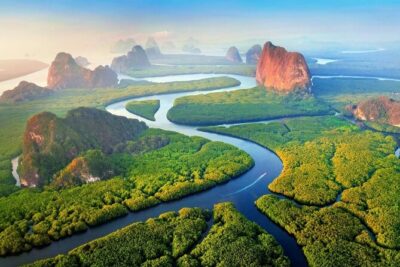
Phang Nga Bay Sea Cave Canoeing & James Bond Island by Big Boat
Read our review →
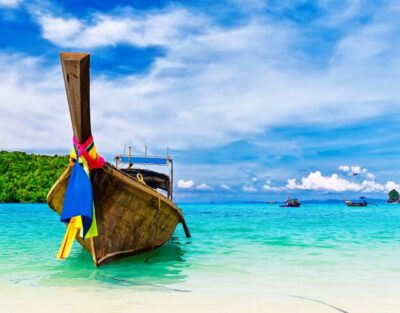
James Bond Island Longtail Boat and Sea Canoe Tour
Read our review →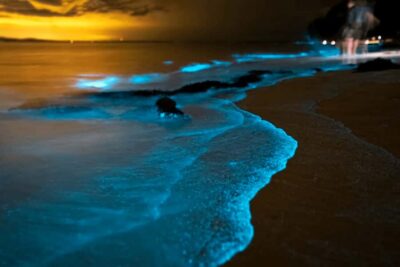
Phang Nga Bay Bioluminescent Plankton and Sea Canoes
Read our review →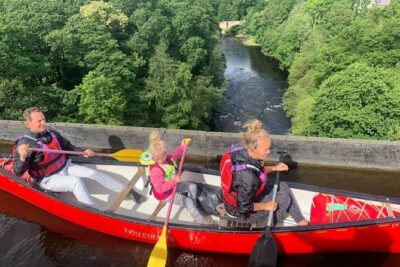
Pontcysyllte Aqueduct Canoe Tours in Llangollen
Read our review →
James Bond Island with Canoeing and Lunch by Speedboat
Read our review →
4 Private Cenotes, Zip-Lines, Canoes & Mayan Village with Delicious Lunch
Read our review →Browse the lists this tour appears in