
Review · NORWAY KAYAK TOURS
Stygge: Kayaking and Glacier Hike
The striking part of this day is the change in scale. You begin in a kayak on Styggevatnet, looking for icebergs, then walk onto the blue ice of Austdalsbreen and peer into huge crevasses. The glacier is the main event, but reaching it by paddle gives the experience a more adventurous feel than a standard viewpoint stop.
I like the small group of no more than nine people, and I like that the guides explain both the kayaking and the glacier rather than simply leading you from one activity to the next. Guides Nahir and Marcelo have been praised for keeping everyone involved and answering questions clearly. The main consideration is the weather: you can get wet in the kayak, and conditions on the ice can change fast, so good clothing matters.
Key points to know before booking
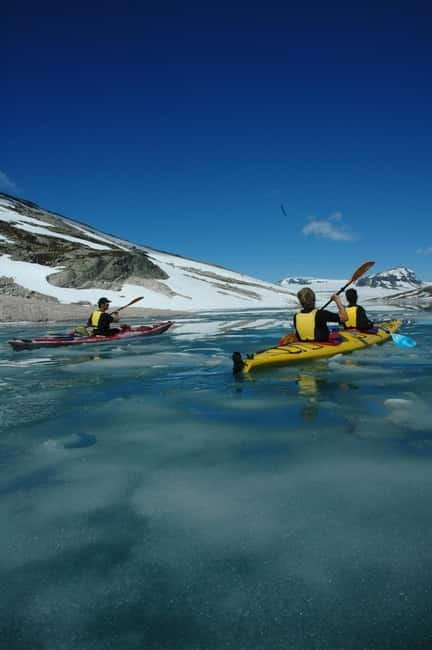
- Kayak across a partly frozen lake: Styggevatnet can remain covered in snow until mid-July, so the season begins only after the water clears.
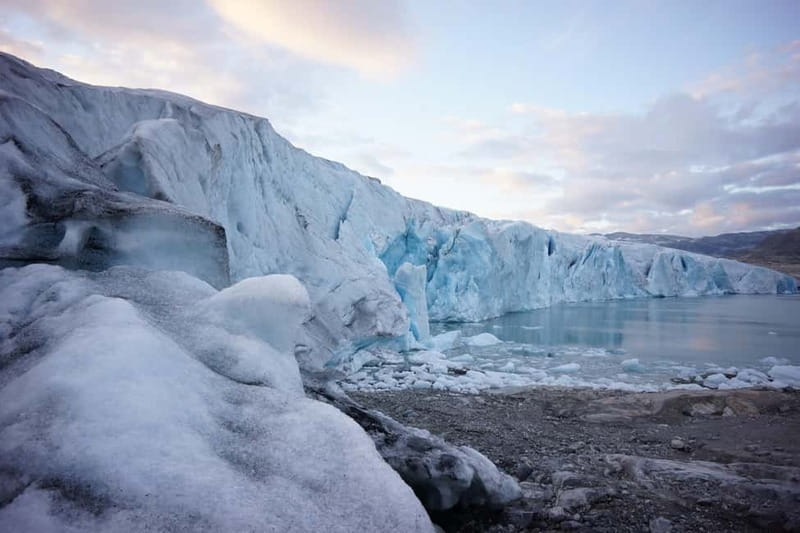
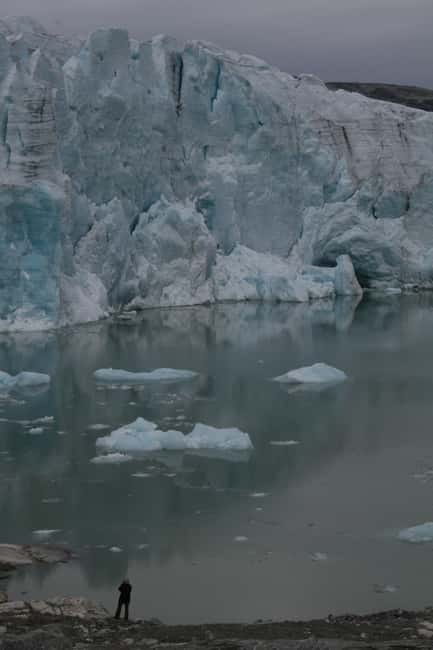
- See a 30-meter glacier front: Austdalsbreen calves into the lake, creating a chance to spot fresh icebergs.
- Spend up to two hours on blue ice: The glacier walk includes crevasses and views toward the lake and Jostedalsbreen National Park.
- Bring serious weather protection: A warm hat and clothing suited to rain, wind, and splashing are important.
- Plan for a full day: The experience lasts 450 minutes, including about three hours of kayaking, lunch, safety talks, and the glacier walk.
- Drive yourself after meeting the guide: You check in at Labben, then follow the guide in your own vehicle to the glacier area.
Why the kayak approach makes Austdalsbreen special
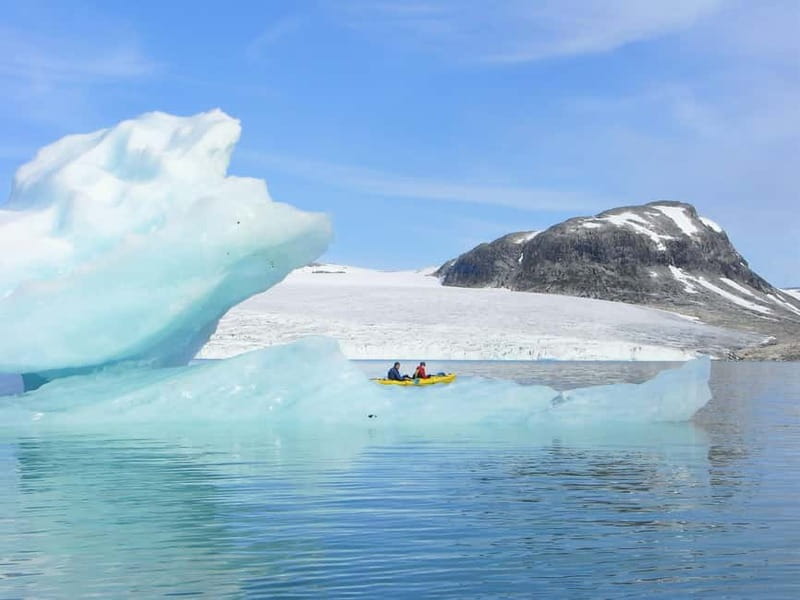
Many glacier outings put you on a bus, at a viewpoint, or on a short walk near the ice. This one asks you to cross the lake under your own paddle power. That changes the rhythm of the day. You have time to notice the water, the surrounding peaks, and the pieces of ice that have broken away from Austdalsbreen.
The lake is called Styggevatnet, and its setting inside Jostedalsbreen National Park is the reason this trip feels remote. The route is not just a transfer to the glacier. The paddle is a central part of the experience, and you make the return crossing later in the day.
The seasonal timing matters. The lake can stay snow-covered until mid-July, so the kayaking and glacier program runs from early July through the end of September, once the water has defrosted. Early-season conditions may differ from late-season conditions, and the exact feel of the outing depends on weather and ice.
You are not required to have kayaked or walked on a glacier before. Still, I would take the physical fitness advice seriously. This is a long outdoor day with two kayaking periods and around two hours on the ice. You do not need to be an expert, but you should be comfortable being active for much of the day.
More Kayak and Hike Days in Norway:
- Stavanger: Preikestolen Hidden Trail Hike + Canoe + Lunch
★ 4.9 · 46 reviews - Nigards: Kayaking and Glacier Hike
★ 4.9 · 35 reviews - Frafjord Paddling & Månafossen Waterfall Hike Stavanger
★ 5.0 · 22 reviews
Meeting at Labben and driving to the lake
Your day begins at Labben, also called The Lab, at Jostedalsvegen 2889. This is where you check in, meet the guide, ask questions, and sort out any clothing needs before leaving.
The practical detail that can easily catch you out is transportation. The tour does not provide the drive from the meeting point to the glacier area. After checking in, you follow the guide in your own vehicle. Make sure you have enough fuel or battery charge for the trip, since this is not the sort of outing where you want to start calculating range halfway there.
Labben also sells coffee and warm or waterproof clothing if you arrive early and need an extra layer. That is useful because the weather at the meeting point may not tell you much about conditions beside the glacier. You should arrive ready for a cold, wet day even if the forecast looks friendly.
The group is limited to nine people. That is a strong number for a guided outdoor activity. You should have a better chance to hear the safety instructions, ask questions, and get direct help than you would in a large bus-sized group.
The first 15 minutes: safety before the paddle
At Styggevatnet, the guide gives a 15-minute safety briefing. This is not filler. You need clear instructions before entering cold water in a glacial setting, especially if you have little or no kayaking experience.
The guide explains the basics of the kayaking technique and how the group will move across the lake. The short briefing also gives you a chance to ask questions before you are seated in the boat. The instruction is designed to make the activity accessible to people without previous kayaking experience, but you still need to listen carefully and follow directions.
The water can be cold, and splashing is part of the deal. A French participant specifically noted that you can get wet quickly, so clothing suited to kayaking is more important than simply wearing a waterproof jacket over ordinary clothes.
Ninety minutes among icebergs on Styggevatnet
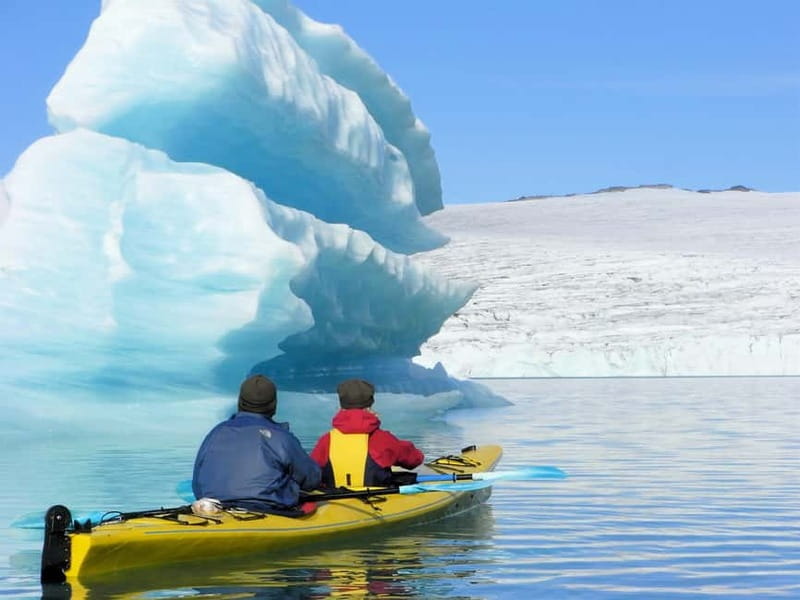
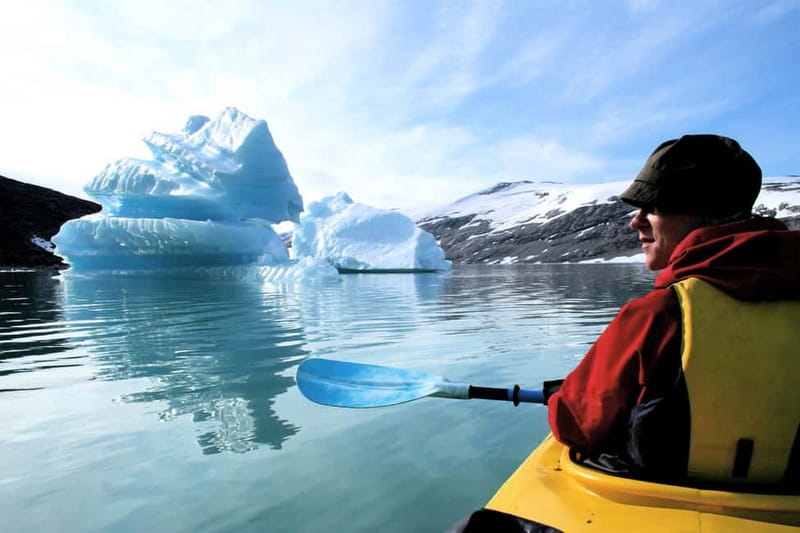
The first kayaking section lasts about an hour and a half. The goal is not speed. You paddle across Styggevatnet toward Austdalsbreen, looking for pieces of glacier ice that have calved from the front in recent days.
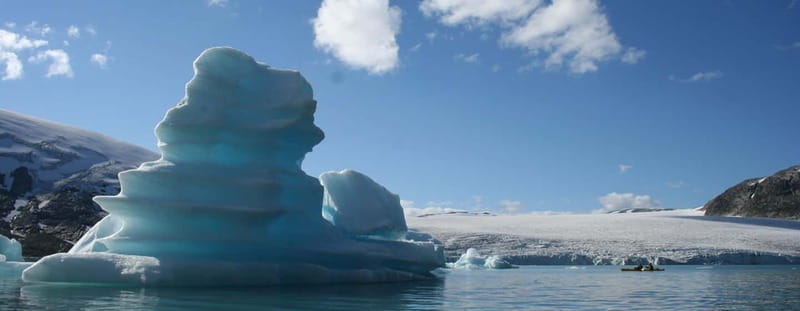
This is one of the most appealing parts of the day because the ice is not only something you see from a distance. Icebergs may float on the route, giving you a closer look at the broken fragments of the glacier. The number and size of icebergs will depend on recent calving and conditions, so you should treat them as a possibility rather than a guaranteed collection of dramatic blocks.
The paddle also lets you approach the glacier front gradually. Austdalsbreen rises about 30 meters at its front, and viewing it from the lake gives you a useful sense of scale. You see the wall of ice from water level, with the lake between you and the glacier.
If you have never kayaked, the first few minutes may feel awkward. The activity is described as accessible without special skills, but that does not mean you can ignore the effort. Paddling for 90 minutes requires steady movement, especially if wind or cold makes the crossing less comfortable.
The guides are an important part of this section. Nahir and Marcelo have been singled out for clear explanations, attentive support, and keeping the group engaged. That kind of guidance matters more here than a long lecture. You want simple instructions you can use while handling a paddle.
More Walking and Hiking Trips in Norway:
- Kauai: Secret Falls Kayak and Hike
★ 5.0 · 1,403 reviews - Kauai Adventure: Kayak & Hike to Secret Falls with Expert Guide
★ 5.0 · 1,387 reviews - Hike El Yunque Rainforest and Kayak Bio Bay Combo Tour
★ 4.5 · 1,010 reviews - Halong Bay Full Day with Kayaking, Hiking viewpoint, Cave – Deluxe To Luxury
★ 5.0 · 884 reviews
Lunch with the glacier in front of you
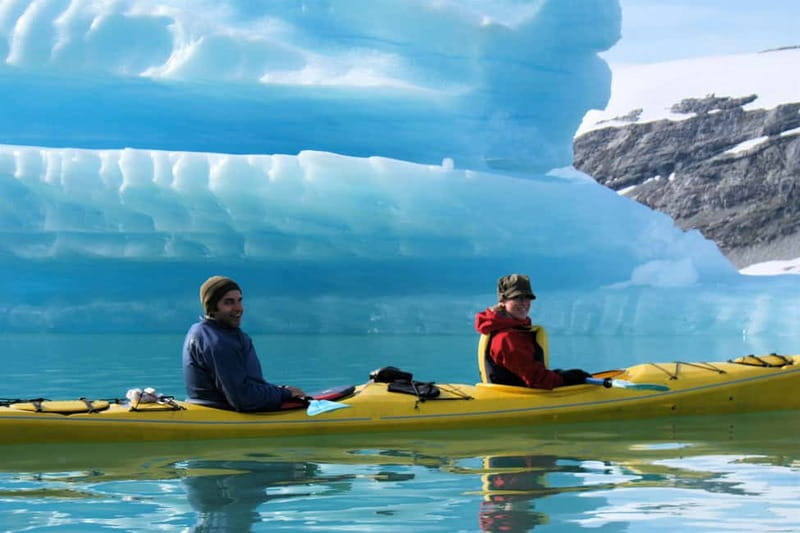
After the first crossing, you stop for lunch beside Austdalsbreen. Lunch is not included in the price, so you need to bring your own food. The setting, however, is included in the experience: you eat with a view across the glacier front.
This break gives your arms time to recover before the hike. It also separates the day into two very different halves. The first half is about reaching the glacier by water. The second is about understanding it from the ice itself.
Pack food that works outdoors and in cool conditions. The supplied information does not specify whether there is a shelter, seating, or a place to heat food, so plan for a simple packed lunch that is easy to eat outside. A warm drink may be welcome, especially if you have been splashed during the paddle.
The lunch stop is also when you can take in the glacier without having to move. The front of Austdalsbreen is the kind of sight that rewards a few quiet minutes. Ice, water, and mountain views are all gathered in one frame, and you are not looking at the glacier through a roadside stop.
A second safety briefing at the glacier front
Before you step onto the ice, the guide gives another 15-minute safety briefing. Glacier ice is not just a rough white surface. It can contain holes, cracks, steep sections, and changing conditions, so the guide’s instructions are essential.
This briefing prepares you for how to walk and where to place your feet. It also sets the boundaries for exploring around the crevasses. The experience includes glacier information, so you should come away with more than photographs. The guide explains features of the ice and helps you understand what you are seeing.
You should follow the guide closely and avoid treating the glacier like an ordinary hiking path. Running shoes are possible, but they are not especially comfortable on the ice. Proper footwear would make the walk easier, though the provided details do not specify exactly what footwear is supplied. Ask at Labben if you are unsure about your shoes or need additional clothing.
Two hours on the blue ice of Austdalsbreen
The glacier walk lasts about two hours. You begin near the front of Austdalsbreen and walk on the blue ice, moving around large crevasses toward the center of the glacier.
Blue ice is the visual signature of the walk. It can look smooth and polished in places, but the glacier is an active, uneven environment. The crevasses add drama, but they also explain why a guide and safety briefing are necessary. You should expect a guided exploration, not an independent hike.
The route gives you a different view of Styggevatnet. From the ice, you can look back toward the lake and across Jostedalsbreen National Park. The reward is not simply standing on a glacier. It is seeing the relationship between the glacier, the lake, and the surrounding park from a higher position.
The guide spends roughly 90 minutes to two hours explaining and exploring different glacier features. That flexibility is useful because ice conditions and weather can affect how much ground the group covers. You may spend more time examining a feature or navigating around a safe route rather than racing to a fixed endpoint.
You should also expect changing conditions. The tour information recommends weather-appropriate clothing because conditions can shift quickly. A warm hat is highly recommended. Even in summer, the glacier can feel cold, and wind or damp clothing can make the second half of the day less pleasant.
The return paddle and the long day factor
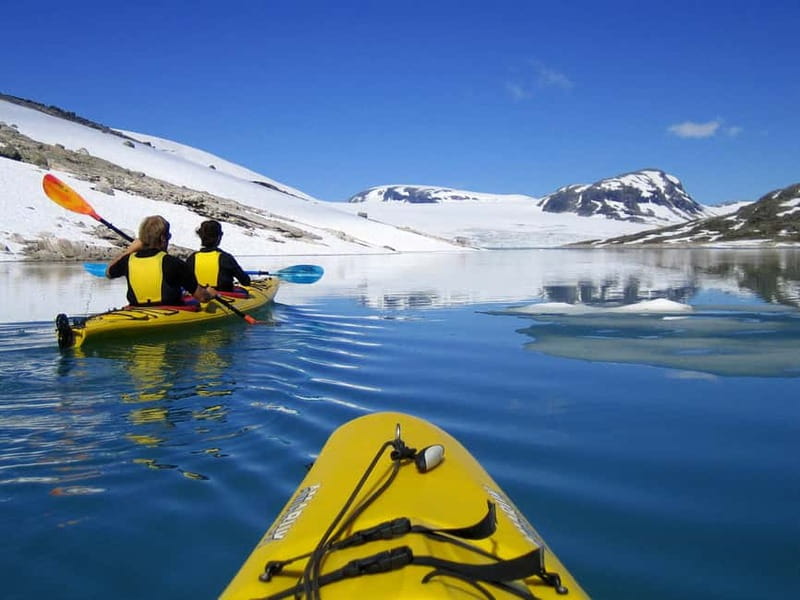
After the glacier walk, you walk back to the kayaks and paddle across Styggevatnet to return to the meeting area. The second kayaking section lasts about an hour and a half.
This is the point where the full length of the activity matters. You have already paddled for 90 minutes, eaten lunch, and spent up to two hours walking on ice. The return paddle is part of the adventure, but it is also a real physical commitment.
I would not book this as a casual add-on between two other major activities. The experience lasts 450 minutes, or seven and a half hours, and the schedule is filled with active time. It makes more sense as the main event of your day in the area.
The return crossing may feel different from the first. You now know how the kayak handles, and you have seen the glacier from close range. The lake crossing becomes a final look back at the ice rather than an approach to an unknown destination.
What the $241 price buys you
At $241 per person, this is a costly day, but the value depends on what you compare it with. You are getting a guided combination of kayaking and glacier hiking, all the boating and glacier equipment, safety instruction, glacier information, and a small group capped at nine people.
Lunch and transportation are not included. You also need to supply suitable clothing, and you must drive your own vehicle from Labben to the glacier area. Those extras do not make the price unreasonable, but they do make the total cost higher than the advertised amount.
The value is strongest if you want two active ways to experience Austdalsbreen. A simple viewpoint stop would cost less and require less effort, but it would not put you on the blue ice or bring you across the lake among floating glacier fragments.
The small group adds practical value. You get more direct contact with the guide during the safety briefings and glacier walk, and the group size should make it easier to ask questions. The guide’s role is not decorative here. Proper support is central to both activities.
Who should book this experience?
I would recommend it to you if you want an active glacier day and like the idea of reaching the ice by kayak. It suits people who are in good physical condition but do not have specialist kayaking or glacier hiking experience.
It is also a good fit if you value explanation. The guides discuss the glacier’s features and answer questions, so you are not simply passing through a scenic place. You get context for the crevasses, the ice front, and the lake.
You should think twice if you dislike cold water, wet clothing, or long outdoor days. The kayaking can leave you damp, and the weather may change quickly. You should also be comfortable with the fact that your vehicle is part of the transportation plan after check-in.
Families and mixed-ability groups need to judge their own fitness carefully. The activity is presented as accessible without previous technical skills, but everyone should be in good physical condition. The available information does not give a minimum age or specific accessibility details, so ask the operator before booking if those points affect your plans.
Practical preparation for a better day
Bring layers that can handle cold and wet conditions. A warm hat is specifically recommended, and waterproof clothing is worth treating as essential rather than optional. You should also pack lunch and make sure your footwear will be comfortable on ice.
Running shoes may work, but they are not ideal. If you only have ordinary trainers, ask at Labben whether your equipment is suitable before setting out. The operator provides boating and glacier equipment, but the details do not say exactly which personal clothing or footwear items are included.
Give yourself time at Labben to check in and ask questions. You can buy coffee and warm or waterproof clothing there if needed. Most important, check your fuel or battery charge before following the guide to the glacier.
The activity is conducted in English. That is useful to know if you need detailed safety instructions in another language. The small group and direct guide support should help, but you need to be comfortable receiving the briefing in English.
Cancellation is flexible up to 24 hours before the start for a full refund, and you can reserve now and pay later. Those terms help if your Norway route is still changing, especially since the activity depends on the seasonal opening of the lake and suitable conditions.
Should you book the Styggevatnet and Austdalsbreen day?
Book it if the idea of paddling to a glacier, then walking on its blue ice sounds better than simply admiring it from a distance. The combination is unusual, the group is small, and the guides add useful instruction without requiring previous specialist experience.
Skip it if you want a short scenic stop, dislike getting wet, or would rather avoid a full day of physical activity. At $241, plus lunch and your own transportation, it is not a budget outing.
For the right person, though, this is a strong use of a day in Vestland County. You get the glacier from the lake, the lake from the glacier, and enough time to understand why Austdalsbreen is more than a pretty wall of ice.
FAQ
When does the activity operate?
The activity begins in early July and runs through the end of September, once Styggevatnet has defrosted. The lake can remain covered in snow until mid-July.
How long does the experience last?
The activity lasts 450 minutes, or seven and a half hours. It includes safety briefings, two kayaking sections, lunch, and about two hours on the glacier.
Do I need kayaking or glacier hiking experience?
No previous kayaking or glacier hiking experience is required. You should be in good physical condition and able to manage a long outdoor day with around three hours of kayaking and a glacier walk.
Is lunch included?
No. Lunch is not included, so you need to bring your own food. You eat beside Austdalsbreen with a view of the glacier.
How do I reach the glacier after checking in?
You meet the guide at Labben, at Jostedalsvegen 2889, then follow the guide in your own vehicle to the glacier area. Make sure your vehicle has enough fuel or charge.
What equipment and language are provided?
The operator provides all boating and glacier equipment, along with an English-speaking instructor and glacier information. You should bring weather-appropriate clothing, a warm hat, and suitable footwear.
Just added around Norway
- Vossevangen: Nærøyfjord Full-Day Guided Kayaking Trip★ 4.5 · 17 reviews
- Guided Kayak Tour Bergen★ 5.0 · 108 reviews
- Sea Kayaking Rental★ 5.0 · 40 reviews
- 2-Hour Guided Kayak Experience in Geiranger★ 4.5 · 14 reviews
- 3-Hour Kayak Tour in Åndalsnes★ 5.0 · 6 reviews
- Kayak Tour with Waterfall Views in Geiranger★ 4.5 · 45 reviews
- 6 Day Fjord Kayaking Trip Norway★ 5.0 · 14 reviews
- Svolvær: Evening Kayaking Adventure★ 4.8 · 58 reviews
Norway Kayak Tours, compared.
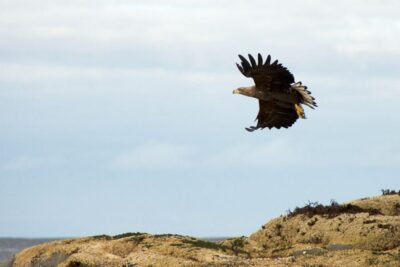
Tromsø: Winter Sea Kayaking Tour with Wildlife Sightings
Read our review →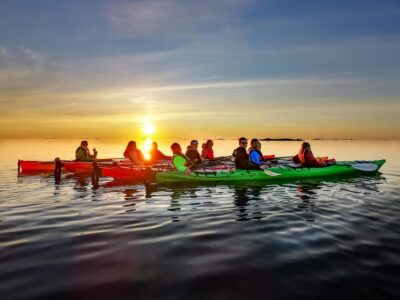
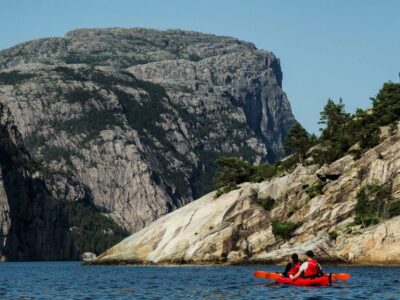
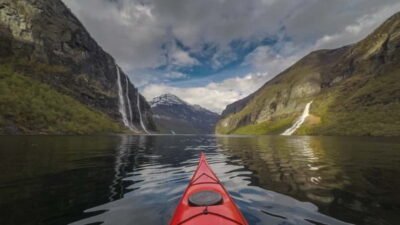
Geiranger: Guided Kayak Tour in Geiranger Fjord
Read our review →
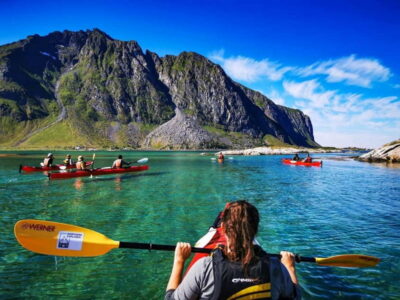
Eggum Lofoten: Kayaking Tour in Lofoten with Snacks
Read our review →
Browse the lists this tour appears in