
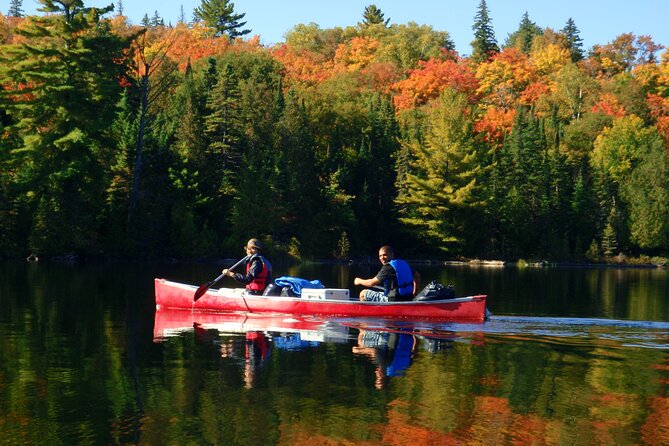
Review · CANADA KAYAK TOURS
Algonquin Park 4-Day Deluxe Camping & Canoeing Adventure
A remote campsite, a canoe, and four days in Algonquin’s backcountry make this much more than a standard camping trip. Guide Baz leads you through lakes, narrow rivers, and portages, while the camp team handles the tents, airbeds, and much of the cooking. The unusual reward is a wilderness trip with a fairly soft landing.
I especially like the wildlife-focused paddling, which takes you into small inlets, beaver ponds, and connected lakes instead of keeping you on one easy route. I also like the food and camp comforts: salmon, tomahawk steaks, shrimp, fresh breakfasts, and even a hot tent sauna are a long way from basic trail fare.
The main consideration is that this remains a real backcountry camp. You will use a basic wooden toilet with little privacy, carry gear during portages, and spend long hours in a canoe. The experience suits people with moderate fitness who can accept rustic conditions in exchange for quiet woods and water.
Key points to know before you book
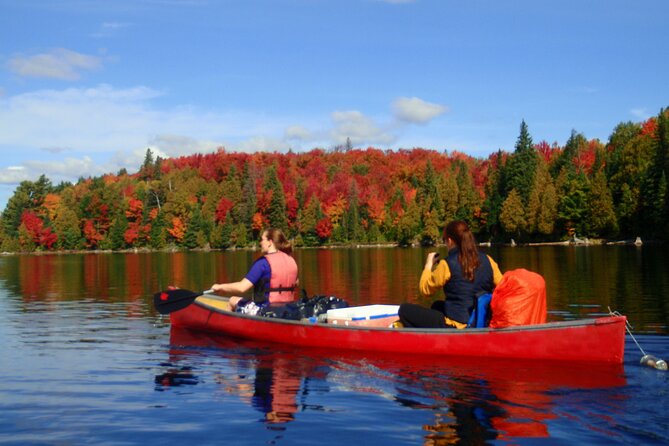
- Three-hour canoe and portage approach: Your first paddle takes you well into Algonquin wilderness, so the adventure begins as soon as you leave the meeting point.
- Riverside tent camp: Tents and airbeds are prepared before you arrive, but the bathroom setup is very basic and has no proper walls.
- Food is a major part of the trip: Expect salmon, Montreal smoked meat sandwiches, cheesecake, tomahawk steaks, shrimp, game skewers, and campfire treats.
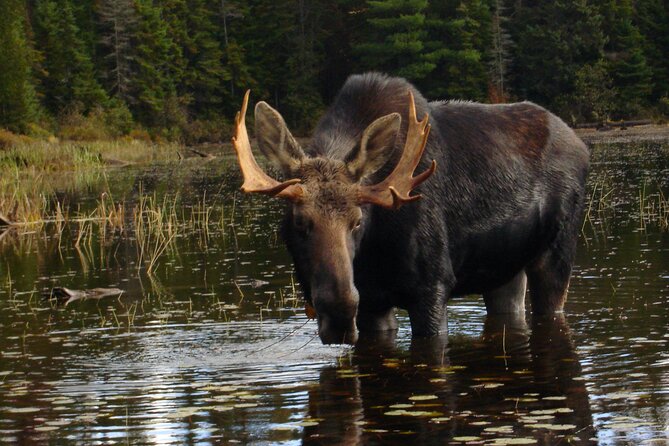
- Wildlife searches, not wildlife guarantees: You may look for moose, beavers, loons, herons, turtles, wolves, and bears, but sightings depend on nature.
- The camp has unusual extras: A star-lit canoe ride, astronomy lesson, cliff jumping, and a homemade sauna add variety to the four days.
- Best for active campers: The maximum group size is 18, the tour is in English, and a moderate level of fitness is required.
Entering Algonquin by canoe and portage
The first day sets the tone. An accredited guide gives paddling and safety instructions before leading you on roughly three hours of canoeing and portaging into Algonquin Provincial Park. This is not a quick paddle from a roadside launch. You are moving into a quieter part of the park, with the effort of carrying a canoe or gear forming part of the experience.
I like this approach because it gives the trip a clear sense of arrival. You do not simply step out of a vehicle beside a ready-made campsite. You work your way in by water and trail, then reach an isolated camp beside the river.
The camp is prepared ahead of time. Other guides arrive about two hours before the group and set up the tents, inflate the airbeds, and add leaves for insulation. Your job is largely to put your backpack inside and begin the stay. That arrangement is valuable if you want wilderness surroundings without having to spend the first afternoon wrestling with tent poles.
Still, you should not confuse prepared camp with luxury camping. The airbeds and ready tents remove some work, but you remain outdoors and exposed to weather. Pack sensible clothing, personal hygiene supplies, and a backpack. Clothing, the last day’s lunch, and personal items are not included.
More Canoe Trips in Canada
- Banff National Park Big Canoe Tour
★ 5.0 · 303 reviews - From Toronto: Algonquin Park Canoeing & Hiking Adventure
★ 4.6 · 291 reviews - Banff National Park: Big Canoe River Explorer Tour
★ 4.7 · 286 reviews
The first afternoon brings fire skills and wildlife lessons
Once camp is settled, you have time to swim, relax, or explore the nearby area. The schedule then turns toward practical outdoor skills. You learn how to make a fire without matches, collect wood, and prepare the evening campfire with the group.
That shared work is part of the charm. It gives the camp a social rhythm without forcing every moment into a formal activity. You may be carrying wood one minute and listening to a story about loons or beavers the next.
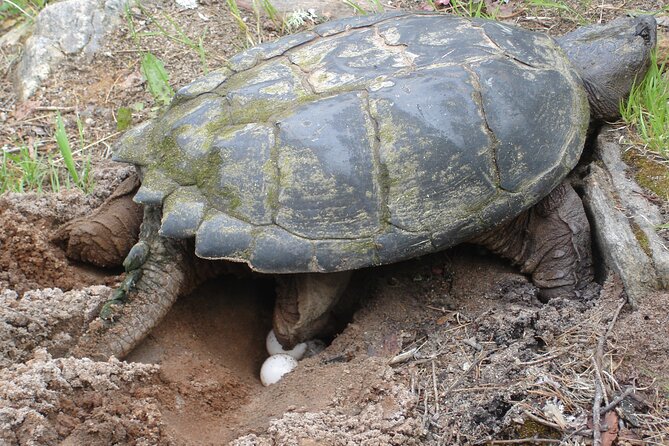
Five wildlife talks cover moose, bears, beavers, wolves, snapping turtles, and loons. These sessions help you know what to watch for during the following paddles. They also make clear that the park is not a wildlife theme park. The goal is to understand the animals and their habitat, not to guarantee a moose sighting on demand.
Food is unusually ambitious for a remote camp. The first evening includes a late gourmet lunch, followed by a dinner of barbecue salmon with lemon and herbs and grilled naan. Guide Baz is particularly well suited to a trip where cooking matters. He is described as relaxed, funny, helpful, and skilled around a camp kitchen, while Kristina has also helped with the food and vegetarian needs.
As the sun drops, you receive a basic astronomy lesson. Then comes one of the trip’s most memorable outings: a guided canoe ride beneath the stars to a beaver habitat. The combination of still water, night sky, and quiet wildlife habitat gives the first day a strong finish. Bring warm layers for this outing, since temperatures can feel cooler on the water after sunset.
Day two follows beavers into narrow waterways
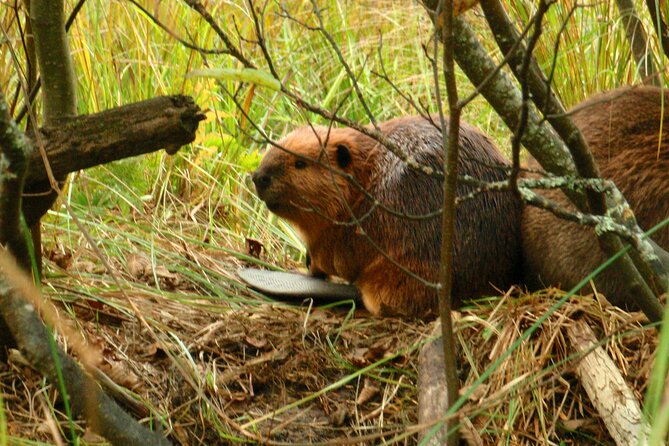
Breakfast is served at 8:00 a.m., followed by a 9:00 a.m. canoe tour. The route explores small inlets and narrow, winding rivers while you search for wildlife. The destination is a natural beaver lodge and dam, which gives you a chance to see how an animal can reshape an entire wetland.
This type of paddling rewards patience. You may see beavers, loons, turtles, or other wildlife, but you may also spend long stretches simply moving quietly through the water. That is not wasted time. Slow canoe travel lets you notice details that are easy to miss from a motorboat or a busy trail.
You return to camp for a Montreal smoked meat sub and cheesecake. It is a hearty, familiar lunch after a morning outside, and it shows how far this experience moves from standard freeze-dried camping meals.
Later, a short paddle takes you to a swimming area with cliff jumps from 1, 2, 3, 5, and 7 metres. This is an optional-feeling part of the day in spirit, even though the schedule presents it as an activity. Do not treat the higher jumps as an obligation. A swim and a quiet break are perfectly sensible if you are not comfortable with heights.
The evening feast is the camp’s grandest meal: tomahawk rib steaks, barbecue jumbo shrimp, deer or bison skewers, grilled mushrooms, sweet peppers, corn, and small potatoes. Marshmallows and games follow around the fire. The food is a real strength, but it also creates an important expectation. This is not a minimalist wilderness program built around carrying every calorie in a small pack. It is a hosted camp experience where cooking is part of the entertainment.
Day three is the longest day on the water
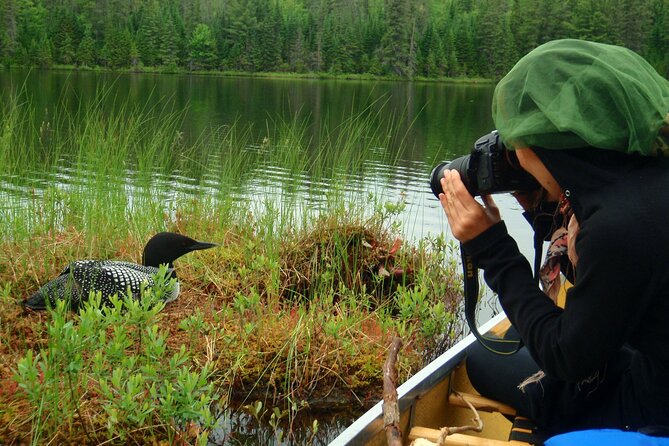
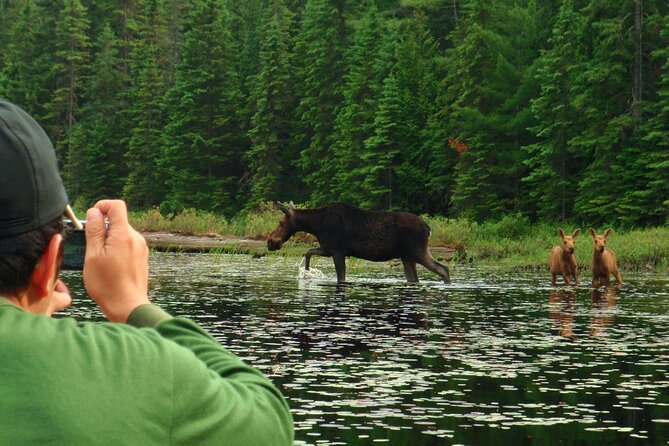
After breakfast, you head out for a full day of canoeing and hiking. The route links four small lakes through narrow rivers and inlets, with the main goal of finding moose. You also look for beavers, loons, herons, and other wildlife.
This is likely the most physically demanding day. Six hours of paddling and hiking requires steady energy, and the narrow waterways can involve careful maneuvering. The reward is access to quieter corners of the park and a better chance to observe wildlife without rushing.
Lunch is carried along and eaten as a picnic in the canoes on a beaver pond. That detail captures the trip well: the meal is simple in setting, but the setting itself is special. You are not stopping at a restaurant or returning to camp between every activity.
You should keep expectations sensible. Moose and beavers are targets, not promises. One good account of the trip included turtles, snakes, chipmunks, a loon nest, and a moose, while another had no moose or beaver sightings and still found the canoeing and scenery rewarding. I would book this for the quiet water, paddling, and time outdoors first. Treat animal sightings as a bonus.
Same water, a different day out on it:
- Three Sisters Sea Kayaking Day Tour
★ 5.0 · 275 reviews - Snorkel, Kayak, and Seal Adventure: Vancouver Boat Tour
★ 5.0 · 264 reviews - River Explorer | Big Canoe Tour in Banff National Park
★ 5.0 · 153 reviews - Banff: Wildlife on the Bow River Big Canoe Tour
★ 4.7 · 130 reviews
A homemade sauna adds a strange and welcome twist
After returning to camp, the group builds a native-style sauna inside a tent. The temperature is described as about 85 C, with sea salt scrub, eucalyptus oils, and Muskoka clay masks, followed by a swim in the lake.
This is one of the experience’s most distinctive features. A sauna in a remote canoe camp is not something you normally expect, and it creates a playful contrast between rugged outdoor living and spa-style relaxation. It also gives tired muscles a chance to loosen after the longest paddling day.
The sauna appears twice in the schedule, but the practical experience is best understood as one afternoon and evening activity. If you dislike heat, communal facilities, or cold-water swimming, you can simply treat this as optional relaxation time. The key point is that the camp offers more than paddling and meals. There is room to slow down.
The sunrise option closes the trip quietly
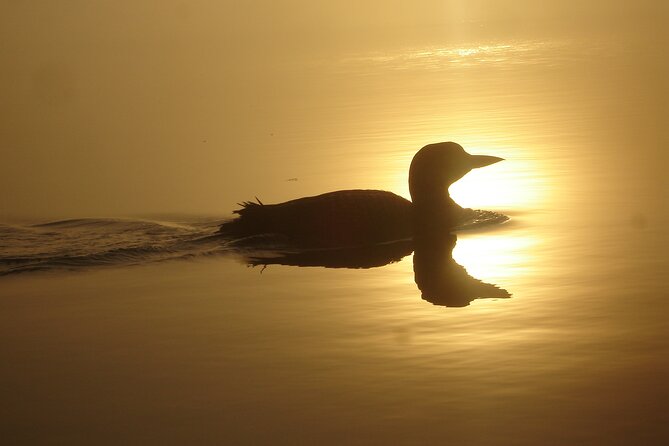
The final morning offers an optional sunrise canoe tour. You watch the sun come up over a calm lake with a cup of hot chocolate.
This is a small activity, but it may be the right ending. After several days of meals, games, wildlife searches, and campfire conversation, the quiet morning gives you time to take in the park without a packed schedule.
Lunch on the last day is not included, so plan for that gap. The tour ends back at the original meeting point, listed near G7PV+3F in Algonquin Park, Ontario. Confirmation arrives when you book, and the activity is offered in English.
What the $397.82 price really covers
At $397.82 per person for about four days, the price is attractive for a hosted backcountry trip. You receive three lunches, two breakfasts, and three dinners, along with guided canoeing, wildlife outings, safety instruction, prepared tents, airbeds, camp activities, and the unusual sauna experience.
The value depends on what kind of camping you want. If you already own equipment, plan your own meals, and prefer to travel independently, you may not need this level of service. But if you want an organized introduction to Algonquin’s backcountry, the included food and camp preparation save considerable effort.
The group can reach a maximum of 18 people. That is not an intimate private trip, but it is still small enough for a guide-led outdoor program to feel manageable, especially when activities split naturally between paddling, cooking, swimming, and camp chores. If you want a private canoe route or complete solitude, ask about the group size before booking.
The strongest value is the range of experiences packed into four days. You are not paying only for a campsite. You are paying for access by canoe, a guide, meals that require real preparation, wildlife instruction, night paddling, fire skills, and a camp structure that lets you focus on the park.
Comfort limits you should consider carefully
This trip sits between traditional camping and a hosted outdoor retreat. The prepared tents and airbeds make sleeping easier, but the bathroom is a serious rustic point. It is a wooden box with no walls, and rain can make the setup particularly unpleasant.
You should be comfortable with limited privacy, changing weather, swimming in a lake, and spending much of the day outdoors. The tour asks for moderate physical fitness, and that matters because you will paddle, portage, hike, and take part in camp tasks.
Bring your own clothing, personal hygiene items, and backpack. The supplied information does not list a detailed packing list, so use the basics for canoe camping and prepare for both sun and rain. A warm layer is especially useful for the star canoe ride and sunrise outing.
The tour allows service animals. It is not described as fully accessible, and the canoeing, portaging, hiking, wooden toilet, and riverside camp may create practical limits. Contact the provider, Algonquin Nature Adventures, before booking if you have mobility or medical concerns.
Who will enjoy this Algonquin canoe trip
I would recommend it to families with older children, active couples, first-time backcountry campers, and anyone who wants a guided introduction to Algonquin. Children aged 11, 14, and 16 have taken the trip successfully with adults, but every family should judge its own comfort with paddling, portaging, weather, and rustic facilities.
It is also a good fit for people who care as much about camp life as formal sightseeing. Cutting wood, cooking, learning fire skills, talking around the fire, and sharing a canoe route are central parts of the experience.
I would hesitate to recommend it to someone who needs a private bathroom, dislikes communal meals, wants guaranteed wildlife sightings, or prefers a short and easy nature outing. The food may be deluxe, but the toilet and backcountry conditions are not.
The cancellation terms are worth noting before you commit. You can receive a full refund if you cancel at least six full days before the start time. Cancellations two to six full days ahead receive 50 percent, while cancellations less than two full days ahead are not refunded.
Should you book the four-day adventure?
Book this trip if you want Algonquin’s lakes and woods with a guide, prepared camping equipment, generous meals, and a full schedule of outdoor activities. Baz’s calm approach, strong camp cooking, and ability to explain the park add a human touch, while the canoe routes and riverside camp provide the real sense of escape.
Skip it if your idea of deluxe means a private bathroom or hotel-style sleeping. The best way to view this experience is as comfortable backcountry camping, not glamping. Accept the wooden toilet, physical effort, and uncertain wildlife, and you get four varied days with starry canoeing, campfire meals, a sauna, and genuine time in Algonquin.
FAQ
How long is the Algonquin canoe and camping experience?
The experience lasts approximately four days and begins and ends at the listed meeting point in Algonquin Park, Ontario.
What meals are included?
Three lunches, two breakfasts, and three dinners are included. Lunch on the final day is not included.
Is camping equipment provided?
Tents and airbeds are prepared at the campsite before you arrive. You still need to bring your own backpack, clothing, and personal hygiene items.
How physically demanding is the tour?
A moderate level of physical fitness is required. The trip includes canoeing, portaging, hiking, swimming, and camp activities.
How large can the group be?
The maximum group size is 18 people. The tour is offered in English.
Can I cancel for a full refund?
Yes. You must cancel at least six full days before the experience start time for a full refund. Cancellations two to six full days ahead receive a 50 percent refund, and cancellations less than two full days ahead are not refunded.
More 4-Day Experiences in Canada
- Southern Lakes Canoe Trip – 4 Day
★ 5.0 · 23 reviews - Algonquin Park: Deluxe 4-Day/3-night Canoeing/Camping
★ 5.0 · 5 reviews
Just added around Canada
- Wildlife on the Bow | Big Canoe Tour★ 4.5 · 13 reviews
- Banff National Park Big Canoe Tour★ 5.0 · 52 reviews
- Intro to Stand Up Paddleboarding, Banff National Park★ 5.0 · 35 reviews
- Banff National Park- Double Kayak Experience★ 5.0 · 17 reviews
- Algonquin Park 3-Day Deluxe Camping & Canoeing Adventure★ 4.5 · 52 reviews
- 3 Day Algonquin Park Canoe Trip – Moose & Beaver Safari★ 5.0 · 27 reviews
- Toronto Islands: Voyageur Canoe Tour★ 4.6 · 10 reviews
- Telegraph Cove: Half-Day Kayaking Tour★ 4.7 · 9 reviews
Canada Kayak Tours, compared.
From Toronto: Algonquin Park Canoeing & Hiking Adventure
Read our review →
Banff National Park: Big Canoe River Explorer Tour
Read our review →
Snorkel, Kayak, and Seal Adventure: Vancouver Boat Tour
Read our review →
River Explorer | Big Canoe Tour in Banff National Park
Read our review →
Banff/Canmore Moraine Lake & Lake Louise– Hike, Canoe or Sightsee
Read our review →Browse the lists this tour appears in