
Review · NEW ZEALAND KAYAK TOURS
Shore Excursion Guided Sea Kayaking through Akaroa Marine Reserve
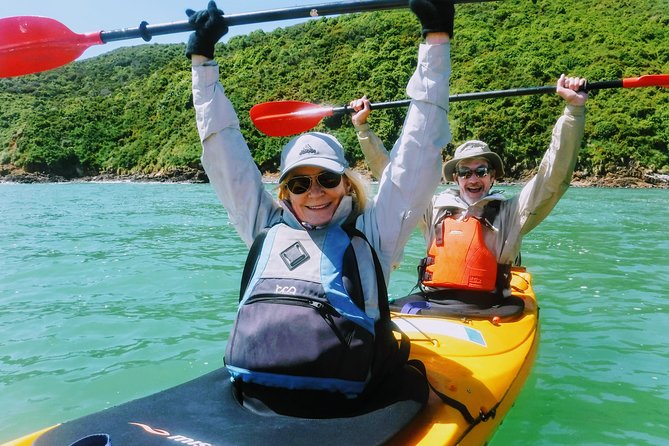
Akaroa’s best feature is under your boat: a flooded volcanic basin with sheltered bays, dark lava rock, and a coastline that feels far more remote than the short walk from the cruise tender. This is a calm, active way to see the area, with a real chance of spotting Hector’s dolphins, fur seals, penguins, and seabirds.
I like the small-group approach and the excellent access from town. I also like that guides such as Jake, Joey, John, and Allie do more than point out scenery. They explain the geology, local wildlife, and history while helping each paddler find a comfortable pace. The main caution is simple: wildlife is never promised, and rough weather can keep you inside a cove with limited views.
Key points before you book
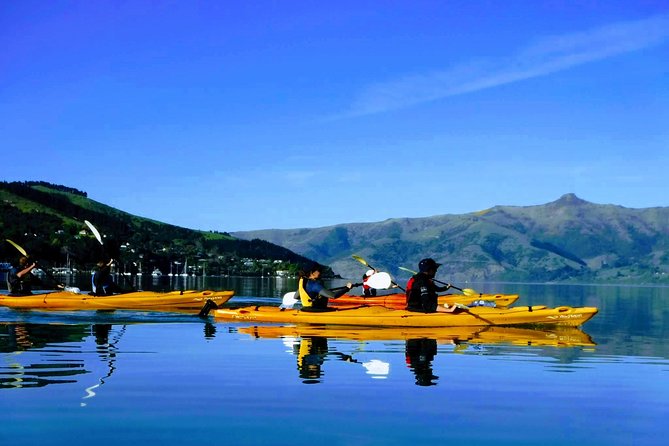
- Paddle inside an extinct volcano basin: Akaroa’s sheltered water and unusual rock formations provide the setting.
- Wildlife sightings are possible, not guaranteed: Hector’s dolphins, penguins, seals, and native birds may appear, but some outings see only birds.
- Good for first-time kayakers: Guides offer safety instruction and patient steering help, while rudder-equipped kayaks make turning easier.
- A short walk from the harbor: The meeting point is at Akaroa Bowling Club on Rue Jolie, close to the cruise tender landing area.
- Small groups matter: The maximum is 17 people, and some departures have been much smaller.
- Plan for changing weather: Spray skirts and kayaking jackets are supplied, but bring suitable rain protection and expect the trip to run if conditions are safe.
Akaroa’s volcanic basin is the real attraction
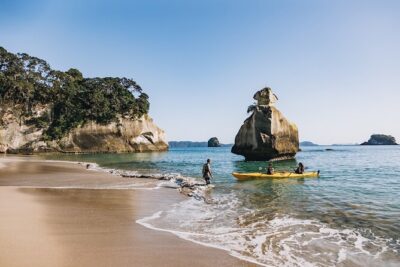
Akaroa is not just a pretty seaside town. The harbor occupies the remains of a huge extinct volcano, later flooded by the sea. From a kayak, that story becomes easy to see. You move close to rocky shelves, fissures, lava formations, and steep coastal edges rather than viewing them from a road or a large boat.
The water is often sheltered by the shape of the basin. That makes this a sensible first sea kayaking outing, especially if you are comfortable with moderate exercise but have little paddling experience. It is not a white-knuckle adventure, though an open crossing can feel lively when wind or chop picks up.
The usual route follows the shore through bays and inlets. Exact conditions and timing shape the outing, so one group may spend more time in the harbor while another reaches farther into the marine reserve. One outing described by a participant stayed in the harbor and was shorter, which suited that group. Ask at the start what route and duration your conditions allow.
More Sea Kayaking in New Zealand
- Wildlife Sea Kayaking Tour – Kaikoura
★ 5.0 · 467 reviews - Sunrise wildlife sea kayaking in Akaroa marine reserve
★ 5.0 · 123 reviews - Small group guided sea kayaking in Akaroa marine reserve
★ 5.0 · 116 reviews
What the two to three hours actually involve
The experience begins at Akaroa Bowling Club, 42 Rue Jolie. From the cruise tender landing area, the walk takes about 10 minutes, although the meeting instructions can be easy to miss. Allow extra time, especially if you are unfamiliar with Akaroa or your tender is running late.
At the launch area, you receive a kayak, paddle, spray skirt, and jacket. The boats are usually doubles, so you paddle with a partner rather than alone. Rudders and foot pedals help with steering once the kayak has some forward speed, but you still need to work together and keep your strokes reasonably even.
Your guide gives safety and paddling instructions before leading the group out. This is where the trip earns much of its value. Guides have adjusted the pace for complete beginners, experienced paddlers, and people who needed extra assistance. John was singled out for helping less able participants without making a fuss, while Jake was praised for patiently correcting beginners who struggled to keep the kayak straight.
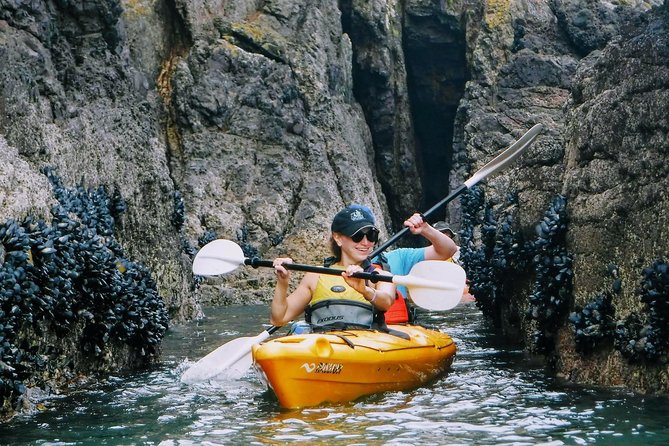
The paddle generally stays close to the rocky coast. You can expect commentary on lava formations, coastal plants, birds, and the area’s marine life. Some routes include a more open stretch of water, adding a little excitement without turning the outing into a demanding expedition.
The published time is roughly three hours, but actual water time can vary. The sunrise tour is described as three hours, while the Crater Cruiser is listed at about two and a half hours. One participant estimated about 90 minutes of paddling, with additional time for preparation and transport back to town. A beach stop may happen if the tide and route make it practical, but lunch at a beach is not part of the stated package.
Wildlife watching from a low seat
A kayak gives you a much better position for watching the water than a coach or a large sightseeing vessel. You sit close to the surface, move quietly, and can pause without an engine humming nearby. That is why Hector’s dolphins are the great prize here.
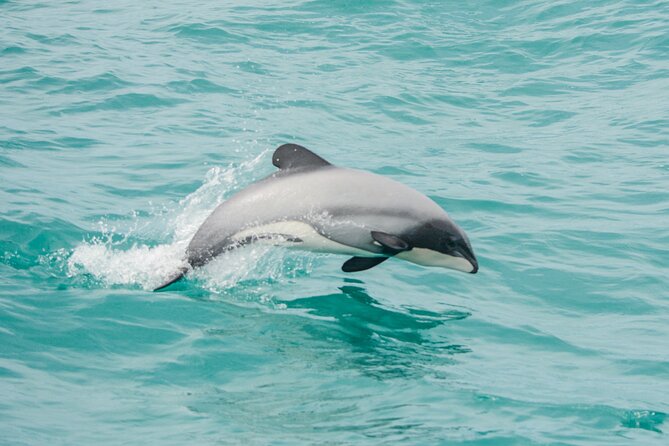
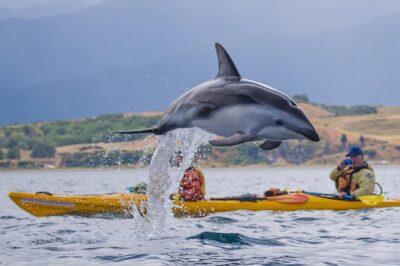
Hector’s dolphins are among New Zealand’s rarest dolphins, and Akaroa is one of the places associated with them. Several outings have had memorable sightings, including dolphins swimming beside or beneath a kayak. One group saw a mother and calf, while another reported four sightings. Those are special encounters, but they are not the normal guarantee of the trip.
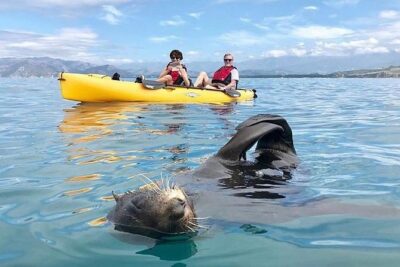
You might also see New Zealand fur seals, white-flippered penguins, spotted shags, gulls, Canada geese, and other native seabirds. The timing of your visit matters, and wildlife may remain hidden. Some paddlers saw only a few bird species and felt the activity promised more wildlife than the day delivered.
That is not necessarily a fault in the guiding. Nature trips depend on season, weather, visibility, and luck. Still, I would book this for the combination of kayaking, geology, and wildlife possibility, not solely for a dolphin sighting. If dolphins appear, they can transform the outing. If they do not, the volcanic coastline still gives you a worthwhile paddle.
Guides who add more than safety instructions
The guides are one of the strongest parts of this experience. Joey has been praised for humor and clear explanations of local history and wildlife. Jake is known for balancing paddling ability within a group and for explaining birds, plants, and marine life in detail. John has been described as calm, patient, and particularly good with beginners.
Seamus has also been praised for his understanding of the bays and local wildlife. Allie has helped with timing and shore arrangements, including a departure affected by late cruise tenders. The exact guide depends on the day, but the pattern is clear: you are not simply handed a boat and sent off.
This matters because tandem kayaks work best when both people understand the basics. A good guide can make the difference between an easy rhythm and a frustrating hour of zigzagging. If you have never used a kayak, say so early. The guides are used to working with mixed ability levels.
More National Park Paddles in New Zealand:
- Akaroa: Akaroa Marine Reserve Sea Kayaking Tour
★ 4.4 · 100 reviews - Oarsome Marine Reserve Kayak Tour
★ 5.0 · 39 reviews - Mārahau: Abel Tasman Marine Reserve Kayak Tour
★ 4.9 · 22 reviews - Abel Tasman National Park: Cruise, Kayak, & Hike Tour
★ 5.0 · 9 reviews
Gear, comfort, and the physical effort
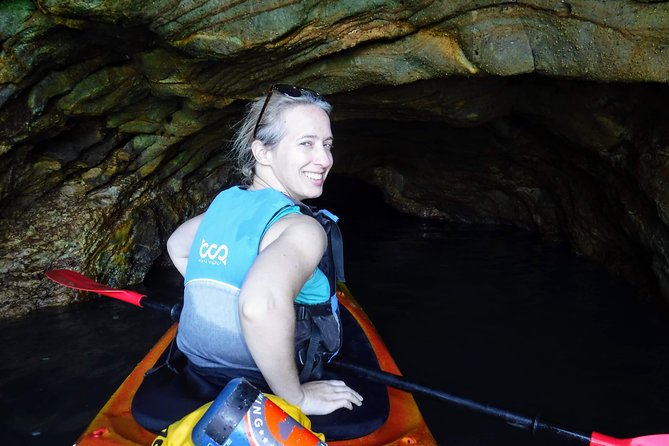
All kayaking equipment is supplied, including paddles, spray skirts, and jackets. The boats have rudders, which make them easier to steer than basic recreational kayaks. The gear has been described as being in very good condition.
You still need a moderate level of fitness. Sitting in a kayak means keeping your legs extended, and the hard seat may bother anyone with back trouble. Paddling is manageable for beginners, but it is repetitive exercise for your shoulders and arms. The guides can tailor the pace, yet you should not expect a completely passive sightseeing trip.
Rain does not automatically stop the activity. If conditions remain safe, the trip may operate in wet weather, and the spray skirt helps keep water out of the cockpit. A rain jacket is worth bringing. On a rainy day, visibility can shrink and wind may keep you inside a sheltered cove. On the other hand, the harbor may be quieter, and wildlife can sometimes be more active.
The experience requires a minimum number of participants and suitable weather. If the operator cancels for poor weather or insufficient numbers, you are offered another date or a full refund. Your own cancellation is different: the booking is non-refundable and cannot be changed for personal reasons, so avoid booking until your cruise schedule is firm.
Why the location works well for cruise passengers
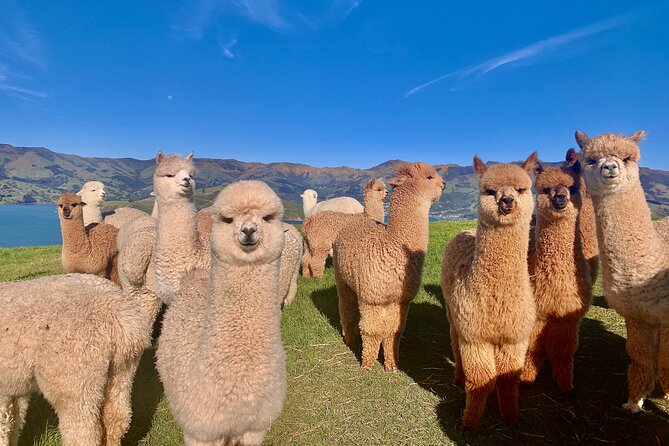
Akaroa is a tender port, so shore time is more complicated than at a pier where you simply walk off the ship. The meeting point is near the harbor, but you still need to collect a tender ticket, get ashore, and walk to Rue Jolie. Leave a buffer for delays.
The short distance is a major advantage. You are not spending the morning on a long transfer before reaching the water. After the activity, you return to the meeting point, giving you a chance to walk around Akaroa or return to the ship, depending on your sailing schedule.
The group limit is 17, though some departures have had only a few people. Smaller groups mean the guide can watch paddling technique, adjust the route, and answer questions without shouting over a crowd. It also makes wildlife stops easier, since the group can pause without a large fleet blocking the view.
At $83.78 per person, this is good value if you want an active shore outing with equipment and a guide included. You are paying for instruction, local interpretation, and a direct experience on the water, not just transport and a photo stop. The value is weaker if you mainly want guaranteed wildlife or a long, strenuous paddle.
Who will enjoy this most
I would recommend it to first-time kayakers, couples willing to share a boat, families with children aged 10 and older, and cruise passengers who want something more active than a bus tour. Children must be accompanied by an adult, and the minimum age is 10.
It also suits experienced paddlers who want scenery and natural history rather than a hard workout. The boats and route are accessible to mixed abilities, and guides have shown patience with people who needed help.
You should think twice if you dislike sitting with your legs stretched out, have trouble with moderate exercise, or want a guaranteed close encounter with dolphins. You should also avoid treating the published wildlife list as a promise. This is a nature outing first, not a marine mammal show.
Small details that make the day easier
Wear clothing that can handle spray and changing weather. Bring rain protection even if the morning looks fine. Your camera may get splashed, so use waterproof protection; on some outings, the guide has taken photographs with a waterproof camera and sent them afterward.
Do not plan a tight connection immediately after the tour. Tender delays, fitting gear, group instruction, and changing sea conditions can all affect the timetable. The activity ends back at the meeting point, but the actual paddling time can vary.
If you want lunch, bring your own plan. Snacks are not included, and a beach landing is not guaranteed. A beach stop depends on the route and tide, so do not count on it as part of the schedule.
Should you book Akaroa Guided Kayaks?
Book this if you want to see Akaroa from the water, learn about its volcanic coast, and accept that wildlife sightings are a bonus. The guides, small groups, good equipment, and harbor access make it a practical cruise excursion, especially for beginners.
Do not book it purely to see dolphins or penguins. Some days produce extraordinary encounters, while others bring only birds and fine scenery. For me, the strongest reason to go is the quiet paddle through a flooded volcanic basin, with a guide who can make the rocks, birds, and water feel connected. If that sounds better than a guaranteed checklist, this is a very good use of your time in Akaroa.
FAQ
Where does the kayaking tour meet?
The meeting point is Akaroa Bowling Club, 42 Rue Jolie, Banks Peninsula, Akaroa 7520, New Zealand. The activity ends back at the meeting point.
How long does the kayaking experience last?
The experience lasts approximately two to three hours. Specific outings can vary, with the sunrise tour listed at three hours and the Crater Cruiser listed at about two and a half hours.
What equipment is included?
Kayaks, paddles, spray skirts, kayaking jackets, and other required kayaking equipment are provided. A local guide also leads the activity.
What wildlife might I see?
Possible sightings include Hector’s dolphins, white-flippered penguins, New Zealand fur seals, and native seabirds. Wildlife sightings are not guaranteed.
Is this suitable for beginners?
Yes. The tour provides safety and paddling instruction, and guides work with different ability levels. You need a moderate level of physical fitness, and the minimum age is 10.
What happens if the weather is poor?
The activity operates when conditions are considered safe for kayaking. If the operator cancels because of poor weather or because the minimum number of participants is not reached, you are offered another date or a full refund.
More Shore Excursions in New Zealand
- Ketchikan Shore Excursion: Eagle Island Sea Kayaking
★ 5.0 · 359 reviews
Just added around New Zealand
- Motukorea / Browns Island Sea Kayak Journey★ 5.0 · 35 reviews
- Browns Island Motukorea Sea Kayak Tour★ 5.0 · 9 reviews
- Auckland Bioluminescence Kayak Tour★ 5.0 · 31 reviews
- Auckland City Lights Night Kayaking Tour★ 5.0 · 21 reviews
- Small group guided sea kayaking in Akaroa marine reserve★ 5.0 · 116 reviews
- Sunrise wildlife sea kayaking in Akaroa marine reserve★ 5.0 · 123 reviews
- Guided Electric Mountain Bike & Sea Kayak Tour in Akaroa★ 5.0 · 22 reviews
- Tauranga: Daytime Scenic Lake McLaren Kayak Tour★ 4.6 · 16 reviews
New Zealand Kayak Tours, compared.
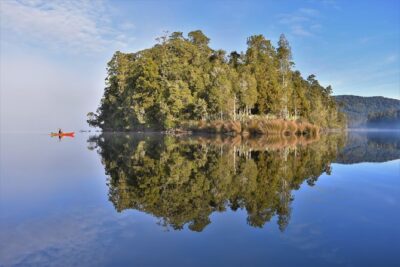
Small-Group Kayak Adventure from Franz Josef Glacier
Read our review →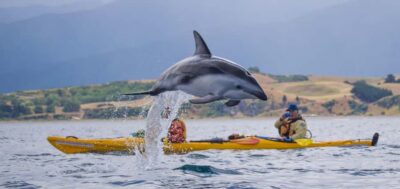
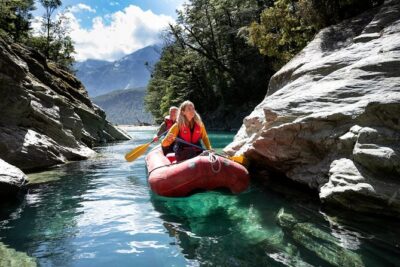
Dart River Canoe and Jet Boat Experience from Queenstown
Read our review →Browse the lists this tour appears in