
Review · NEW ZEALAND KAYAK TOURS
Sunrise wildlife sea kayaking in Akaroa marine reserve
Akaroa’s early water is the star here. You paddle into an extinct volcanic basin while the harbor is quiet, with no engine noise and few boats to interrupt the view. The best moments may come quickly: a Hector dolphin near your kayak, a seal offshore, or a white-flippered penguin keeping its distance.
I like the small-group format, which keeps the outing personal and makes it easier to hear your guide and ask questions. I also like the early start, since the calmest water often comes before the harbor wakes up, and you still have most of the day ahead.
The main consideration is wildlife luck. Dolphins, penguins, seals, and orca live in the area, but no sighting is guaranteed. You’ll also need moderate fitness, comfort in a tandem kayak, and enough flexibility to accept a weather-related change.
Key points to know before you book
- Sunrise setting: Start at 7:30 am, when Akaroa Harbor is usually at its quietest.
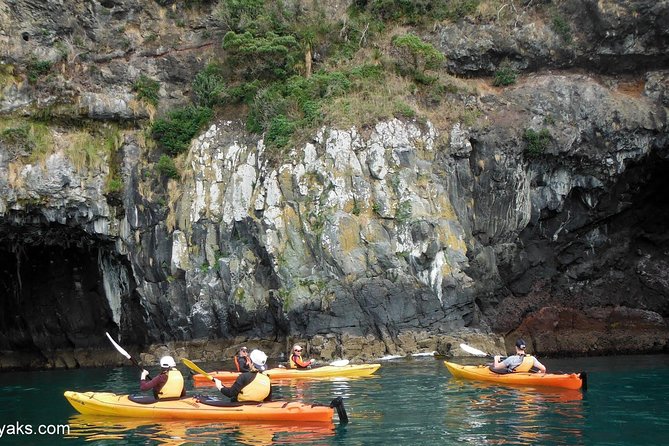
- Volcanic setting: Paddle inside the basin of an extinct volcano, with rugged coastal views.
- Wildlife focus: Keep watch for Hector dolphins, white-flippered penguins, seals, native birds, and possibly orca.
- Tandem kayaking: Expect to paddle in pairs, with instruction and spray skirts provided as part of the kayaking setup.
- Small group size: The maximum is 15 people, helping the guides keep the outing low-impact and personal.
- Useful extras: Light refreshments and on-water photographs are included in the $96.19 price.
Why the first hour on Akaroa Harbor matters
The appeal of this trip is not simply getting into a kayak. It is being on Akaroa Harbor before the regular boat traffic begins. The operator describes the morning departure as the first outing on the water, with the marine reserve largely quiet until the tour is nearly over.
That matters for two reasons. First, calm water makes paddling easier, especially if you are new to sea kayaking. Second, wildlife is easier to notice when you are not competing with motors, wakes, and a crowd of boats.
You meet at the Akaroa Bowling Club at 42 Rue Jolie at 7:30 am. The activity lasts about three hours and returns to the same meeting point. There is no transport from Christchurch or elsewhere, so you need to arrange your own way to Akaroa.
The early hour is both a strength and a test. You get a peaceful start, but you also need to be ready and organized before breakfast. If you are staying nearby, this is straightforward. If you are coming from Christchurch, check the timing carefully rather than assuming the drive will fit comfortably before the meeting time.
More Sea Kayaking in New Zealand
- Wildlife Sea Kayaking Tour – Kaikoura
★ 5.0 · 467 reviews - Shore Excursion Guided Sea Kayaking through Akaroa Marine Reserve
★ 5.0 · 160 reviews - Small group guided sea kayaking in Akaroa marine reserve
★ 5.0 · 116 reviews
Getting ready for the kayak
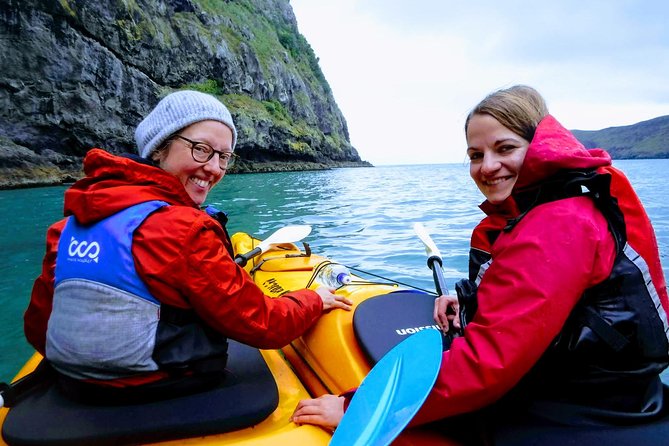
The outing begins with an orientation and basic paddling instruction. This is important even if you have kayaked before, since the group may use tandem kayaks and spray skirts, both of which can feel unfamiliar at first.
One useful point is that the kayaking is done in pairs. Tandem boats offer stability and make the outing more approachable for families, couples, and people who do not paddle regularly. They also require cooperation. You and your partner need to settle into a shared rhythm instead of pulling in different directions.
That team element can be fun, but it is worth knowing in advance. If you strongly prefer a single kayak, this may not match your ideal setup. One participant had hoped for a solo boat but still enjoyed the tandem experience after accepting the change.
The guide will help you test your skills in the shallows before the group moves farther out. This gives you a chance to learn how the boat responds, practice your stroke, and get comfortable with the spray skirt before meeting the gently rolling water beyond the harbor’s inner edge.
You should have a moderate level of fitness. This is not presented as a hard-core expedition, but you will be paddling for much of the three-hour outing. Children must be at least 10 years old and accompanied by an adult.
Paddling through an extinct volcanic basin
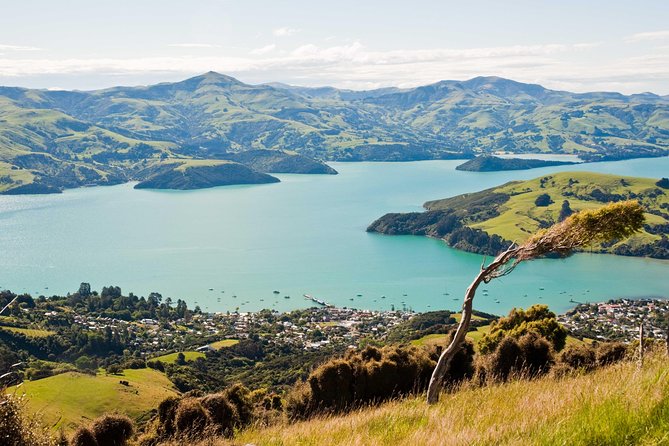
Akaroa’s setting gives the tour more character than a standard harbor paddle. The water fills the basin of an extinct volcano, and the route brings you close to rugged coastal edges and quiet bays.
The volcanic origin is not just a fact for a guide to mention in passing. It helps explain the shape of the harbor, the enclosed feeling of the inner water, and the way the surrounding coast frames your view as you paddle. You get a sense of place that would be difficult to gain from a roadside lookout.
The tour first uses the shallows to build confidence. After that, you head onto gently rolling waves, depending on conditions and the guide’s judgment. On a calm morning, the group may go farther out than planned. One outing changed course because the weather was so favorable, and the guide explained the adjustment clearly.
That flexibility is useful. A sea kayak route should respond to wind, swell, and visibility rather than follow a rigid script. It also means your exact route can vary, so you should think of the itinerary as a guided exploration rather than a fixed list of stops.
Watching for Hector dolphins and other marine life
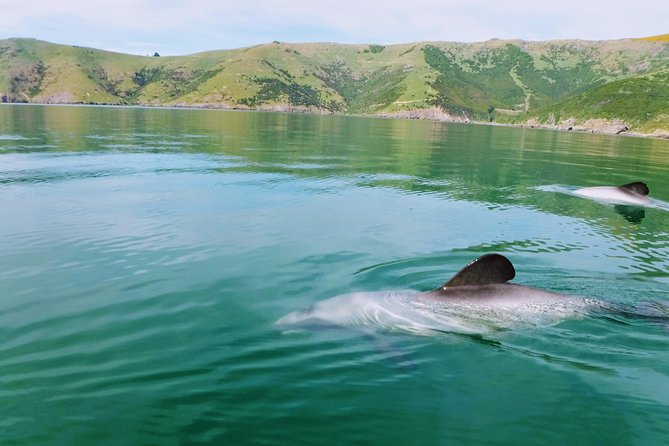
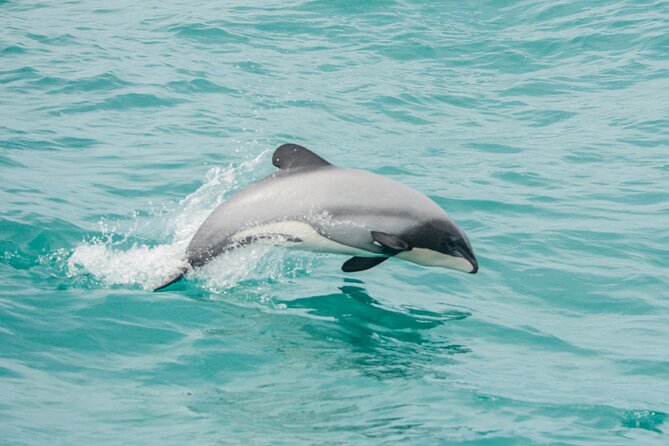
Wildlife is the central reason to choose this trip. Akaroa Harbor is associated with Hector dolphins, one of the world’s smallest and most threatened dolphin species. The possibility of seeing one close to the kayak gives the morning a real sense of occasion.
A sighting is never promised, and you should not book this as a guaranteed dolphin encounter. The animals move freely, and the conditions may affect how far the group can go. Still, the quiet, engine-free format gives you a good way to watch without adding the noise of a powered boat.
Several outings have included Hector dolphins. One group encountered them near the start, then later found sea stars in a cave. Another saw a Hector dolphin and a calf. These details show why it pays to remain observant throughout the trip rather than deciding that the wildlife portion is finished after the first stretch.
You might also see white-flippered penguins, seals, native birds, or even orca. The word might matters here. These are possible encounters in the marine reserve, not scheduled performances.
The guides also add value by pointing out smaller details. A sea star in a cave may not make a dramatic photograph, but it gives you a closer look at the marine environment and breaks up the outing with something beyond the usual dolphin search.
The right attitude is patient and alert. Keep your eyes moving between the open water, rocky edges, and nearby coves. Wildlife may appear for only a short time, and the best moment could be a quiet glimpse rather than a long approach.
More Wildlife Kayak Tours in New Zealand
- Seal Kayaking Adventure in Kaikoura
★ 5.0 · 422 reviews - Kaikoura: Half-Day Wildlife Kayaking Tour
★ 4.6 · 390 reviews - Day Cruise & Island Tour – Snorkel/Wildlife/Paddleboard/Islands
★ 5.0 · 121 reviews - Kaikoura: Seal-Watching Pedal Kayak Tour
★ 4.8 · 91 reviews
What the guides add to the morning
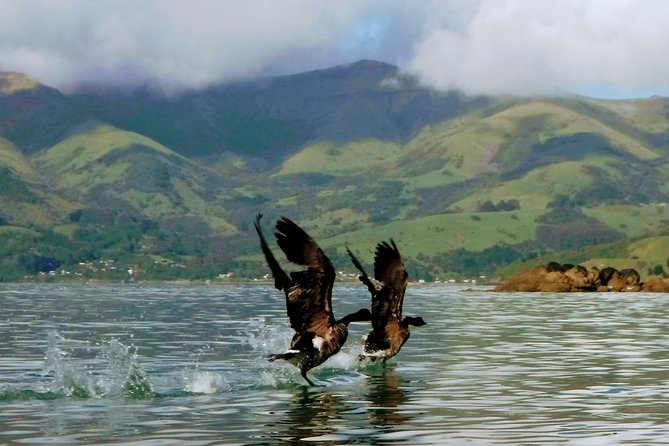
The guide is a major part of the experience. You are not simply renting a kayak and following a map. The guide handles the safety briefing, helps the group adjust to conditions, explains the area, and points out wildlife and natural features.
James has been singled out for lively local stories and useful facts about the region. John has led outings where the calm conditions allowed the group to travel farther out, while Peter has been praised for explaining the area even in misty or wet weather. These names give you an idea of the personal style available, but your guide will depend on the day’s roster.
The strongest guide moments seem to come when conditions change. If the wind drops or the water stays calm, the route may expand. If the weather turns, the plan may tighten. Clear communication matters more than sticking to a preset route, and the guide is responsible for making that call.
The outing is also a chance to ask about other nature activities in the area. The guides can offer suggestions beyond the kayak route, which is useful if you are building a full day around Akaroa.
Small groups and low-impact travel
The maximum group size is 15 people. That is not an expedition-sized party, but it is small enough for the guide to keep an eye on the paddlers and speak to the group without shouting across a wide formation.
Small numbers matter even more in a marine reserve. Kayaks create little noise and no exhaust, allowing you to move through the area with less disturbance than a powered vessel. The operator places strong emphasis on visiting fragile natural areas in a low-impact way.
You should still follow the guide’s instructions around wildlife. A close encounter is exciting, but the goal is to watch without chasing, crowding, or blocking an animal’s route. In a kayak, you are part of the scene, not separated from it by a large boat.
The quiet format is one of the tour’s clearest advantages. You hear paddles, water, wind, and birds. That makes the morning feel more connected to Akaroa’s natural setting than a fast boat ride would.
Weather, comfort, and what can change
The experience depends on favorable weather. If poor conditions force a cancellation, you are offered an alternative date or a full refund. This is a sensible safety policy, but it means you should keep some flexibility in your schedule if the kayak trip is important to you.
Weather does not always need to be bright for the outing to work. A cloudy morning with mist and little wind can still provide good paddling conditions. One trip went ahead in cloudy weather with occasional mist, and the calm surface allowed the group to travel farther.
At the same time, a pleasant forecast does not guarantee a particular route. Conditions on the harbor can shift, and the guide may change the plan. Treat that as part of sea kayaking rather than a failure to deliver the advertised outing.
On-water photographs are included, along with light refreshments. These are helpful touches after an early start, especially since lunch is not included. The photographs also let you focus on paddling and wildlife rather than trying to handle a camera throughout the trip.
The tour does not include transportation to or from Akaroa attractions. It begins and ends at the bowling club meeting point, and the activity is near public transportation. You should confirm your route to the meeting point before booking, especially for a 7:30 am departure.
Is $96.19 a fair price?
At $96.19 per person, the price sits in the reasonable range for a three-hour guided sea kayaking experience, particularly because it includes a local guide, taxes, light refreshments, and on-water photographs.
The value comes from the combination of access and supervision. You are paying for a kayak outing in a marine reserve, but also for instruction, route decisions, wildlife interpretation, and the chance to paddle at a time when the harbor is unusually quiet.
The price is less attractive if you only want a short paddle close to shore or if you are mainly looking for a guaranteed animal sighting. No wildlife tour can promise that, and the exact route depends on weather.
For an active morning in a remarkable setting, I think the cost is justified. You finish after roughly three hours, leaving the rest of the day for Akaroa, and the included photographs add practical value.
Who should book this experience?
This is a strong fit for families with children aged 10 or older, couples, and active nature lovers who are happy to share a tandem kayak. It also suits people who prefer quiet encounters over engine-powered sightseeing.
You should be reasonably comfortable with physical activity and open water. You do not need to be an expert paddler, since instruction is provided, but you should expect to work with your kayaking partner and paddle for a substantial part of the morning.
The early start makes it particularly useful for a packed itinerary. You can kayak at sunrise, return to Akaroa before midday, and still have time for other activities.
I would be more cautious if you dislike fixed early departures, need a guaranteed indoor plan, or strongly prefer single kayaks. The wildlife is unpredictable, and the experience depends on conditions. Those are not flaws, but they are central facts to consider.
Should you book the Akaroa sunrise kayak?
Book it if you want a quiet, active way to see Akaroa Harbor and understand the place from the water. The extinct volcanic basin, small group, low-noise approach, and chance of seeing Hector dolphins make this more distinctive than a basic kayak rental.
Go in with realistic expectations. You may see dolphins, penguins, seals, or birds, but you may also spend much of the morning enjoying the harbor, cliffs, caves, and changing light. For me, that is still a worthwhile outing, especially with guides such as James, John, or Peter adding context along the way.
The best reason to choose this trip is not a guaranteed wildlife checklist. It is the chance to begin the day quietly, paddle under your own power, and leave Akaroa’s harbor feeling like you have actually been part of it.
FAQ
Where does the kayak tour start?
The tour starts at the Akaroa Bowling Club, 42 Rue Jolie, Banks Peninsula, Akaroa 7520, New Zealand.
What time does the tour begin?
The scheduled start time is 7:30 am.
How long does the experience last?
The activity lasts approximately three hours.
Where does the tour finish?
The tour finishes back at the original meeting point.
What wildlife might I see?
You might see Hector dolphins, white-flippered penguins, seals, native birds, or orca. Wildlife sightings are not guaranteed.
What is the minimum age?
Children must be at least 10 years old and accompanied by an adult.
How many people can join the tour?
The maximum group size is 15 people.
What is included in the price?
The price includes a local guide, light refreshments, local taxes, and photographs taken on the water.
What happens if bad weather cancels the tour?
If poor weather causes cancellation, you are offered an alternative date or a full refund. The experience itself is otherwise non-refundable and cannot be changed for another reason.
More Wildlife Trips in New Zealand
- Bioluminescence Night Kayaking Tour of Merritt Island Wildlife Refuge
★ 4.5 · 605 reviews - Tromsø: Winter Sea Kayaking Tour with Wildlife Sightings
★ 4.9 · 591 reviews - Silver Springs Clear Kayak Manatee, Monkey & Wildlife Adventures
★ 5.0 · 419 reviews - Epic Kayak With Dolphins & Wildlife – 4WD Beach Adventure Noosa
★ 5.0 · 366 reviews
More National Park Paddles in New Zealand
- Akaroa: Akaroa Marine Reserve Sea Kayaking Tour
★ 4.4 · 100 reviews - Oarsome Marine Reserve Kayak Tour
★ 5.0 · 39 reviews - Mārahau: Abel Tasman Marine Reserve Kayak Tour
★ 4.9 · 22 reviews - Abel Tasman National Park: Cruise, Kayak, & Hike Tour
★ 5.0 · 9 reviews
Just added around New Zealand
- Motukorea / Browns Island Sea Kayak Journey★ 5.0 · 35 reviews
- Browns Island Motukorea Sea Kayak Tour★ 5.0 · 9 reviews
- Auckland Bioluminescence Kayak Tour★ 5.0 · 31 reviews
- Auckland City Lights Night Kayaking Tour★ 5.0 · 21 reviews
- Small group guided sea kayaking in Akaroa marine reserve★ 5.0 · 116 reviews
- Guided Electric Mountain Bike & Sea Kayak Tour in Akaroa★ 5.0 · 22 reviews
- Tauranga: Daytime Scenic Lake McLaren Kayak Tour★ 4.6 · 16 reviews
- Tauranga: Evening Glowworm Kayak Tour★ 4.8 · 206 reviews
New Zealand Kayak Tours, compared.
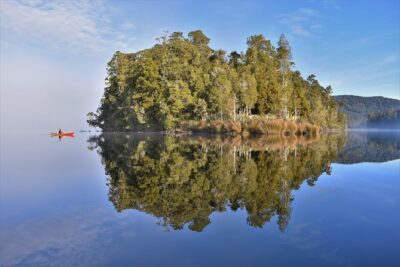
Small-Group Kayak Adventure from Franz Josef Glacier
Read our review →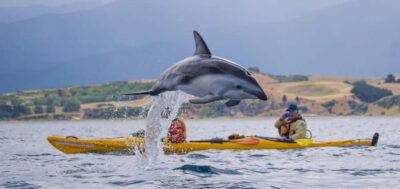
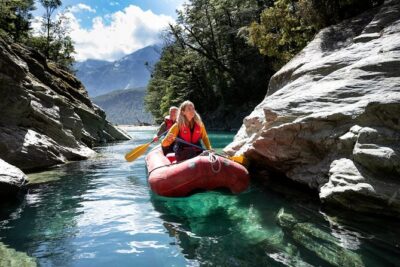
Dart River Canoe and Jet Boat Experience from Queenstown
Read our review →Browse the lists this tour appears in